Word
Quordle
Wordle's rules with four answers to find at once in nine guesses
If you finish Wordle and want more, there are daily games that keep its five-letter, six-guess core and games that take the same habit somewhere new. The ones below are free to play in the browser, have one shared puzzle a day, and are grouped by how close they stay to the original.
Wordle's rules with four answers to find at once in nine guesses
Two Wordles side by side with seven shared guesses, the gentlest step up

Eight words at once for players who want a long session

The New York Times puzzle most Wordle players move to next
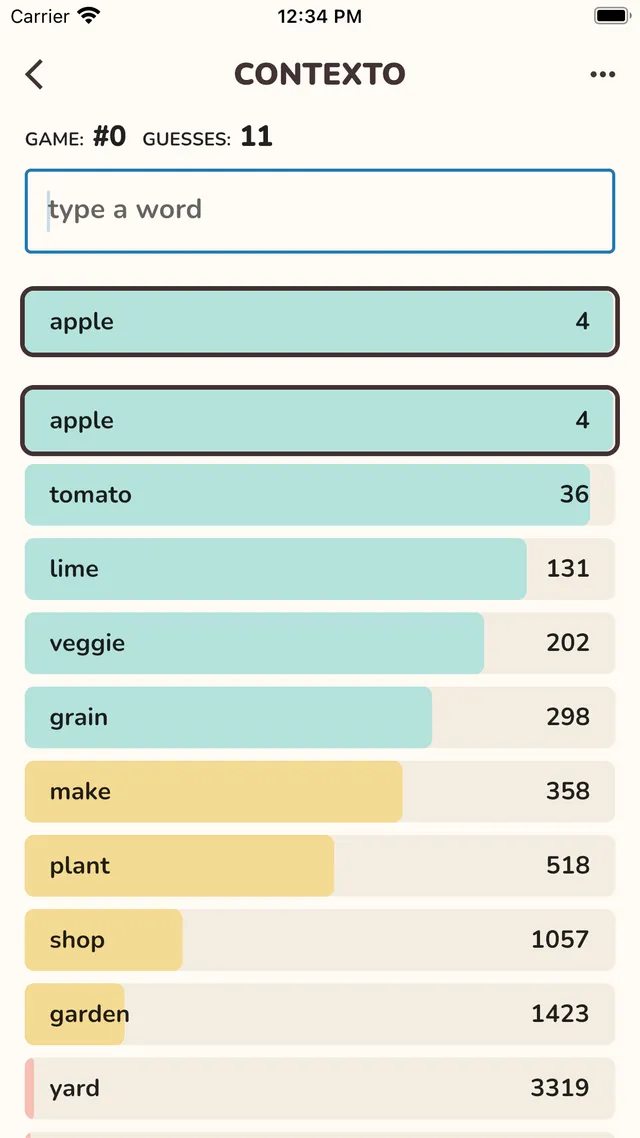
Find a hidden word by meaning, with every guess ranked by closeness
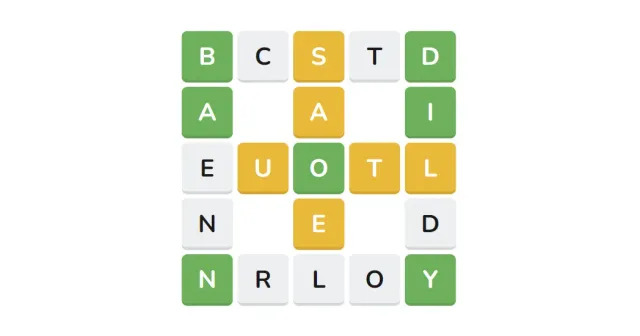
Swap letters back into six crossing words, a different kind of five-letter puzzle
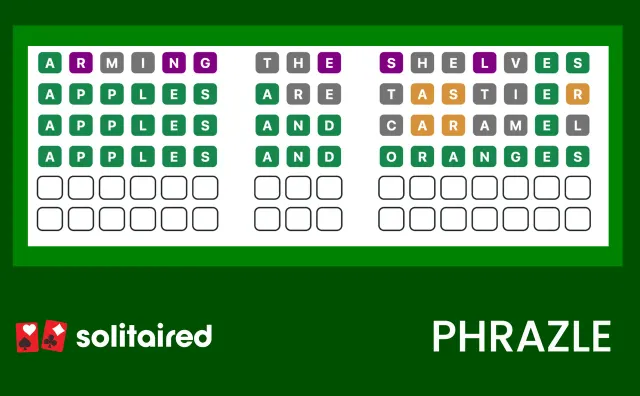
Wordle's colours applied to a whole common phrase
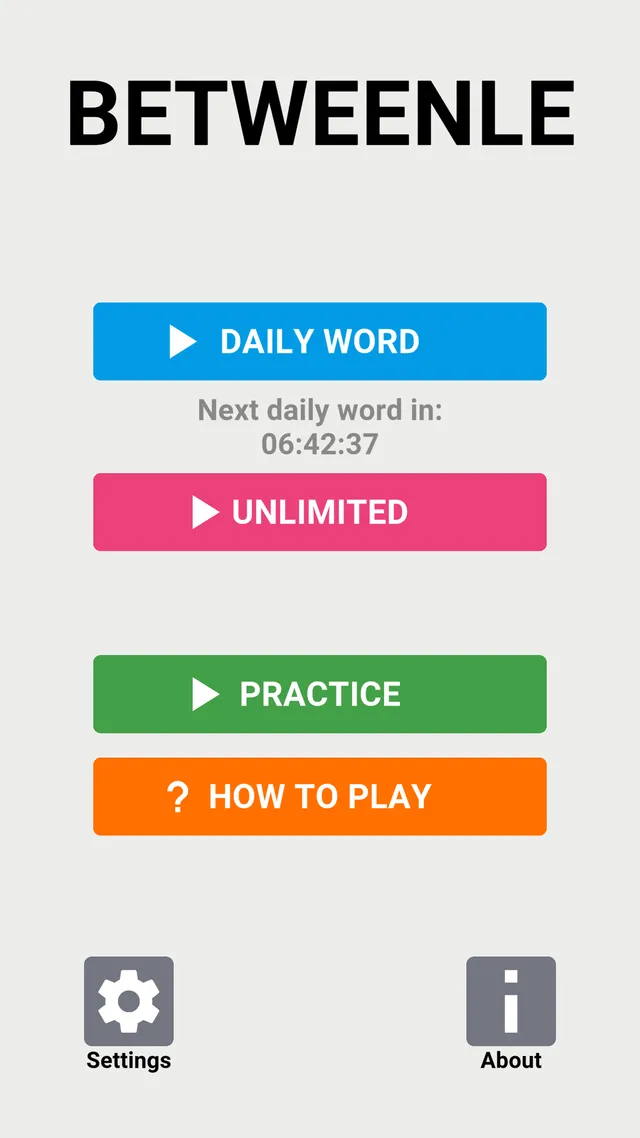
Close in on the word alphabetically instead of by letters
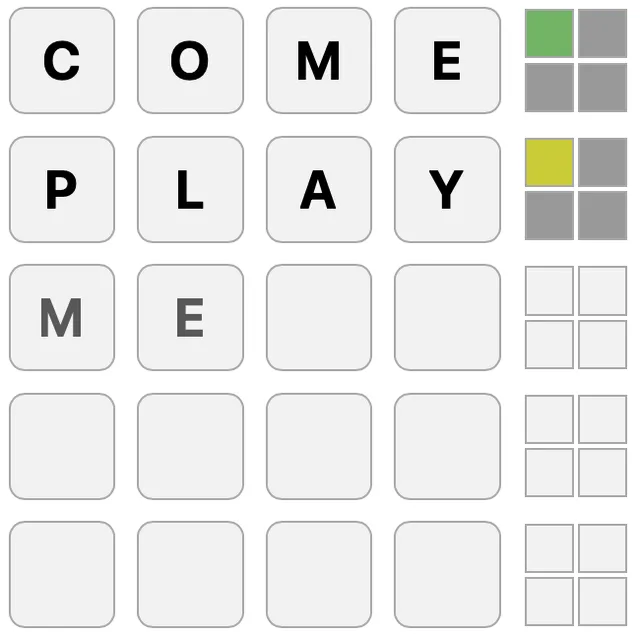
Crack a four-letter word from Mastermind-style counts
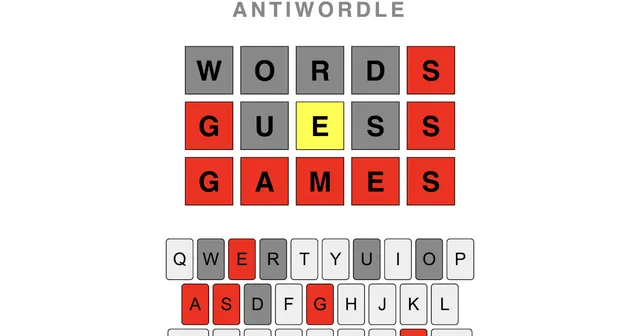
Wordle in reverse: avoid the answer for as long as you can
Small Wordles fitted together into a clueless crossword

A daily Wordle where every answer is a food word
Wordle in French, one five-letter word a day
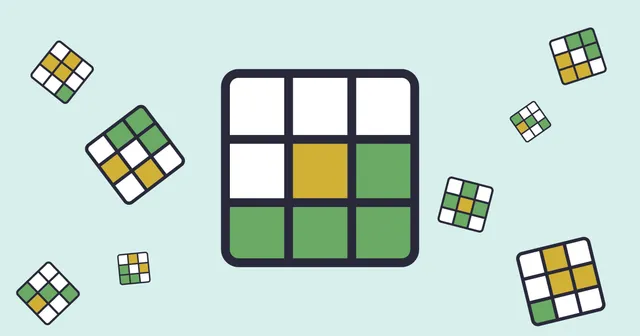
The official German Wordle
The original guess-by-meaning word game
The closest relatives keep the rules and change the scale. Dordle, Quordle and Octordle ask you to solve two, four or eight words at once with a shared set of guesses, so every guess is a trade-off between boards; Sedecordle and Duotrigordle push the same idea to sixteen and thirty-two. They suit players who find Wordle over too quickly.
A second group changes the information you get back. Alphalock gives you only counts, like the board game Mastermind, rather than coloured tiles. Betweenle tells you whether the answer comes before or after each guess in the dictionary. Antiwordle turns the goal upside down and asks you to avoid the answer for as long as you can. Phrazle stretches the colours across a whole phrase, and Crosswordle.org fits small Wordles into a clueless crossword.
A third group keeps the daily word but changes the language or subject: Le Mot and Sutom in French, Wordle auf Deutsch, Parole in Italian, Termo in Portuguese, La Palabra del Día in Spanish, Woordle in Dutch, Kotonoha Tango in Japanese, or themed lists such as Phoodle for food words and Football Wordle for players' names.
If what you like is the daily ritual more than the grid, the New York Times games sit next to Wordle for a reason: Connections, Strands and Spelling Bee are different puzzles that take a few minutes each. Semantle and Contexto ask you to find a word by meaning rather than spelling, and Waffle asks you to swap letters back into place. Start with Quordle if you want more Wordle, Connections if you want something different, and Contexto if you want a puzzle that makes you think about words in a new way.
Quordle and Dordle use exactly the same rules, colours and five-letter words, but with four or two answers to find at once.
Yes. There are daily versions in French (Le Mot, Sutom), German (Wordle auf Deutsch), Italian (Parole), Portuguese (Termo), Spanish (La Palabra del Día), Dutch (Woordle), Japanese (Kotonoha Tango) and more.
Contexto and Semantle both hide a word and rank your guesses by how close they are in meaning, not in spelling.
All the games listed here can be played free in a browser.