Chroma (robson.plus)
Rate itFive colour names a day: pick the swatch each one belongs to.
on robson.plus
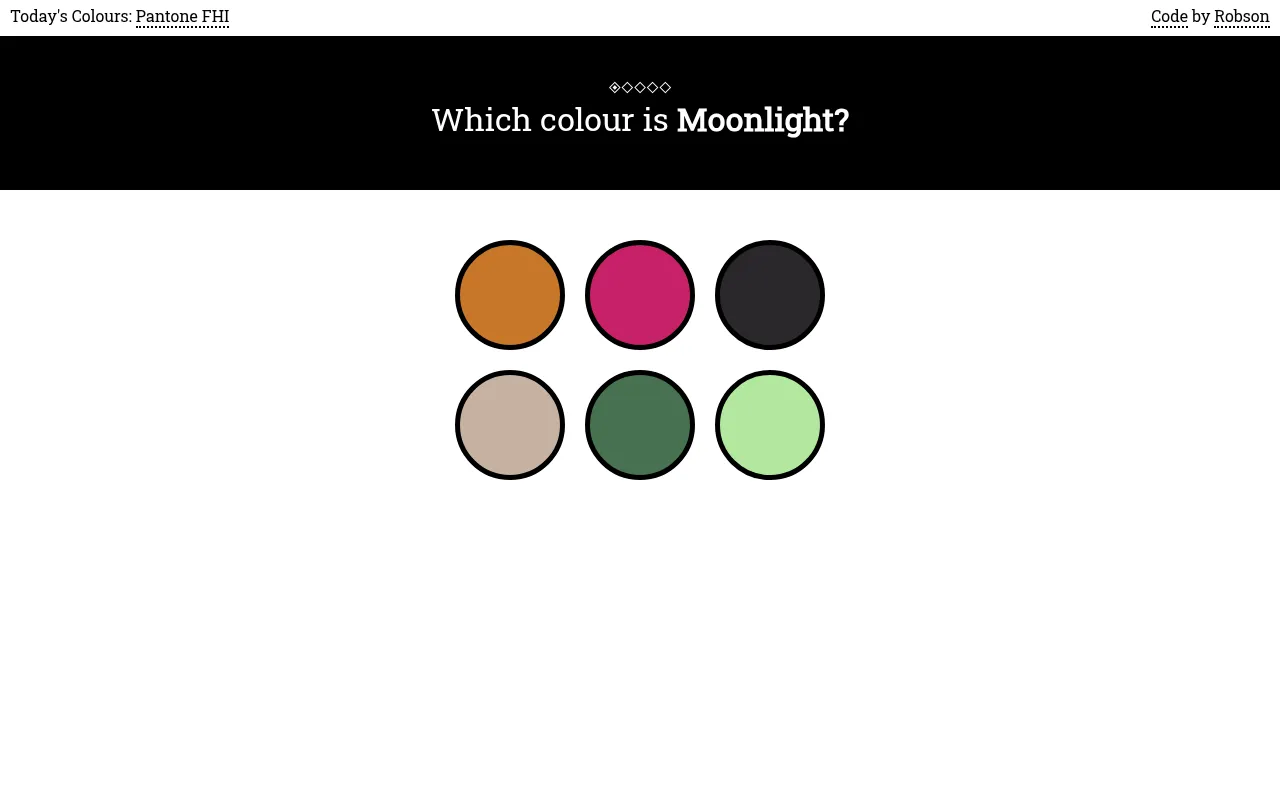
Chroma asks five times a day which of several swatches matches a colour's name, taken from real colour ranges such as paint brands, Crayola crayons or traditional Japanese colours. Your score out of five and the names you missed go into a share card.
About Chroma (robson.plus)
Chroma is a daily colour-matching game by Robson, hosted on robson.plus. Each day it draws on one real named colour set, shown at the top of the page. The sets include Pantone's fashion and home colours, Dulux and Johnstone's paint ranges, Farrow & Ball, Crayola crayons, LEGO bricks, Citadel miniature paints, traditional Japanese colours and Ingrid Sundberg's colour thesaurus. The set changes from day to day, so you are always matching names to a particular vocabulary.
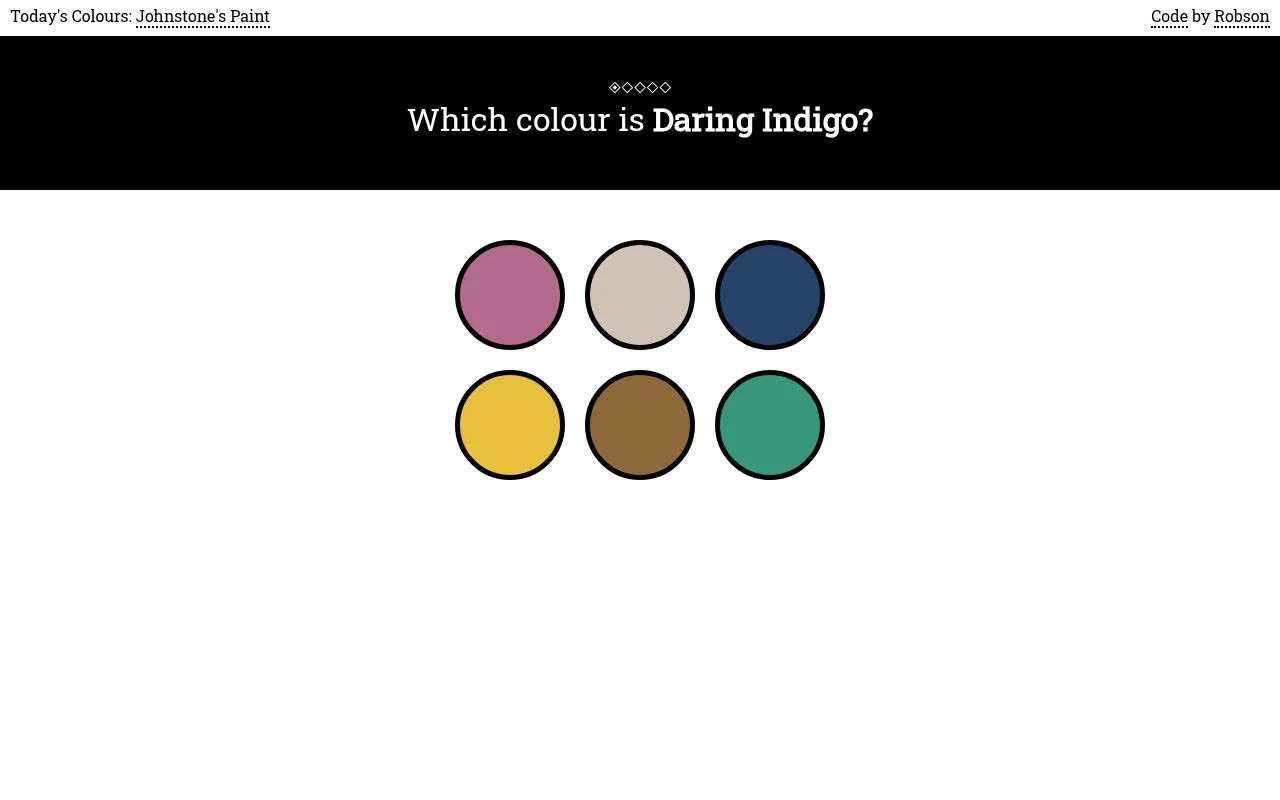
A round is five questions. Each asks which colour is a given name, for example "Which colour is Moonlight?", and shows six round swatches. You tap the one you think the name belongs to. A cross marks a wrong pick and a star shows the right swatch, then "Next Colour" moves you on. Small diamonds at the top track how far through the five you are. There is no second guess.
At the end you get a score out of five and a list of any names you missed, which you can copy as text or as an image to share. The challenge is numbered by days since 21 October 2024 and turns over at local midnight, so everyone plays the same five on the same day. On some dates the maker swaps in a themed list. On Halloween the names come from pumpkins, ghosts and moonlight, and Christmas, St Patrick's Day and Guy Fawkes Night get their own sets too.
It is quick, free and needs no account, and we saw no ads on the page. It suits anyone who enjoys colour, design or the oddly specific names that paint and crayon makers invent. Knowing a particular range helps more than colour theory in general.
How to play Chroma (robson.plus)
- Note the named colour set shown at the top for the day.
- Read the question, which asks which colour is a given name.
- Tap the one of six swatches you think that name belongs to. Your first choice stands.
- Check the star that marks the right colour, then press "Next Colour".
- After five colours, see your score and copy your result as text or an image.
Screenshots
Tips
- Check the named set at the top first: Crayola, Pantone and Japanese ranges each name colours in their own style.
- Use the odd ones out: if a name clearly suits one swatch, eliminating it helps on the harder questions.
- Read the name literally; words like navy, peony or sage hint at the hue even when the full name is invented.
Questions
How many questions are there each day?
Five, all from one named colour set, shared by every player and numbered by day.
Where do the colour names come from?
Real colour ranges, such as paint brands, Pantone, Crayola, LEGO or traditional Japanese colours. The set for the day is shown at the top of the page.
Can I change an answer?
No. Your first pick for each colour stands. The game then marks the right swatch with a star and moves on when you press "Next Colour".
When does it reset?
At midnight in your local time; the challenge number counts days from 21 October 2024 using your device's date.
Are there special puzzles on holidays?
Yes. On dates such as Halloween, Christmas, St Patrick's Day and Guy Fawkes Night the game uses a hand-picked list of fitting colour names from the Pantone range.
Ratings and reviews
Games like Chroma (robson.plus)
Close Hue
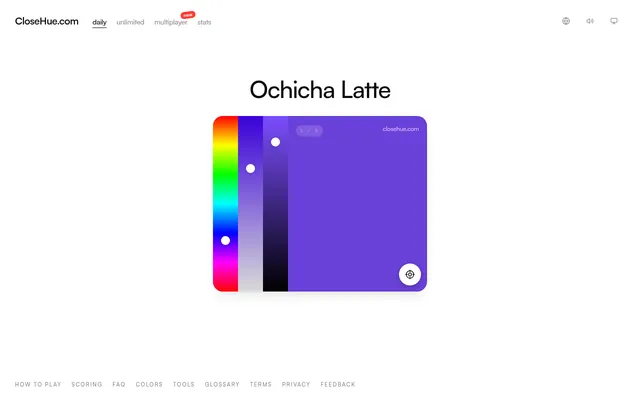
Also five colour names a day for everyone. There you set each colour on a slider and score up to 100 a round…
ColorGuesser
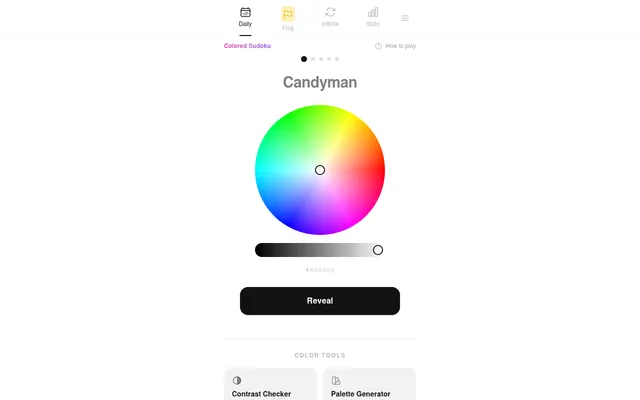
Five named colours a day again, matched on a colour wheel with a brightness slider
Crayondle
One named crayon colour daily, rebuilt with red, green and blue sliders in a single guess. Good if the…
Colordle
A numbered mystery colour from a big list of named shades, guessed by how close each try comes
LogoHue
Pick the real colour of one black and white brand logo with a picker, with only one guess.
Colorfle
For players who want to mix shades rather than name them: two target colours a day, six tries each
Best Guess
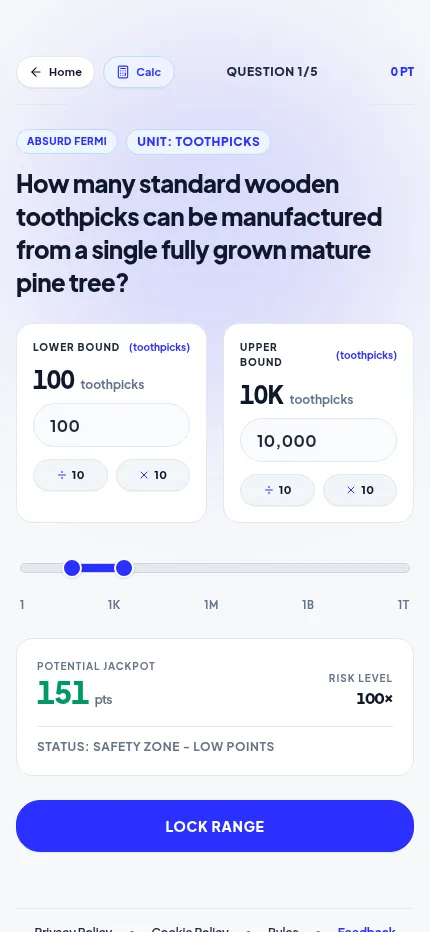
Five real-world numbers a day: bet a range, not a guess, and keep it tight.
Close Enough
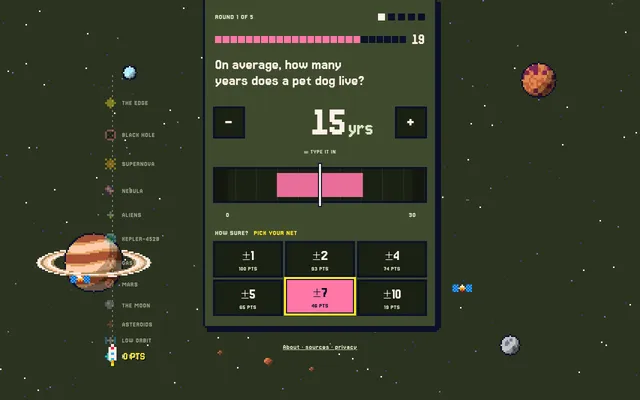
Five real-world numbers a day, 25 seconds each: pick a guess and a range, and tighter ranges score more.