Langle
Name the world language from a sample text, in six tries.
Every day: Three languages a day, one per difficulty level, the same for every player: name each from a sample text in six tries, rated by how close your guess is spoken. New puzzle: Midnight in your local time zone (stated in the game).

Langle shows you a passage in an unknown language and asks which one it is. Each guess is rated by how close the guessed language is spoken to the answer, and you have six tries. There are three levels a day, from widely known languages to rare ones, and a gold star for getting all three.
About Langle
Langle is a daily language-guessing game in the spirit of Wordle. The sample text is always Article 1 of the Universal Declaration of Human Rights, the most translated document in the world, and the game draws on more than 300 of its translations.
You type a language to guess. If you are wrong, your guess is rated by distance: the closer the guessed language is spoken to the answer, the higher the score. A language's location is roughly the centre of the area where it is spoken, or for colonial languages like English and Spanish, the centre of the country of origin. You have six tries, and the result shares as rows of coloured squares with your closeness.
Each day has three daily languages at three difficulty levels, so both casual language fans and enthusiasts have something to do; guess all three to earn a gold star. The game numbers its puzzles from 13 July 2023 and keeps statistics in a cookie. It suits players of Lingule and anyone who likes spotting scripts, accents and word shapes.
How to play Langle
- Open langle.uk and pick a level.
- Read the sample text.
- Type the language you think it is and guess.
- Use the closeness rating to move toward where the answer is spoken.
- Name it within six tries, then try the other two levels.
Tips
- Since the text is always the same article, learn how it opens in common languages: patterns repeat.
- Script first: Cyrillic, Arabic, Devanagari or Latin rules out most of the world.
- Look for distinctive letters and accents, such as ñ, ø, ğ or ß.
Questions
What text is used?
Article 1 of the Universal Declaration of Human Rights, in more than 300 translations.
How are guesses rated?
By how close the guessed language is spoken to the answer, measured between the centres of the areas where they are spoken.
When do new languages appear?
At midnight in your time zone.
Games like Langle

Worldle
Distance-based guessing, with countries
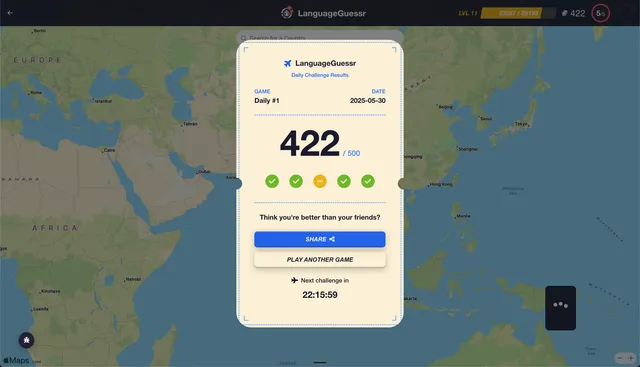
LanguageGuessr
Hear ten seconds of someone speaking and pin where the language is spoken.
Lingule
See one word in a mystery language and work out which language it is, in six guesses.

ArchiGuesser
Name the day's building or architectural project from its pictures.
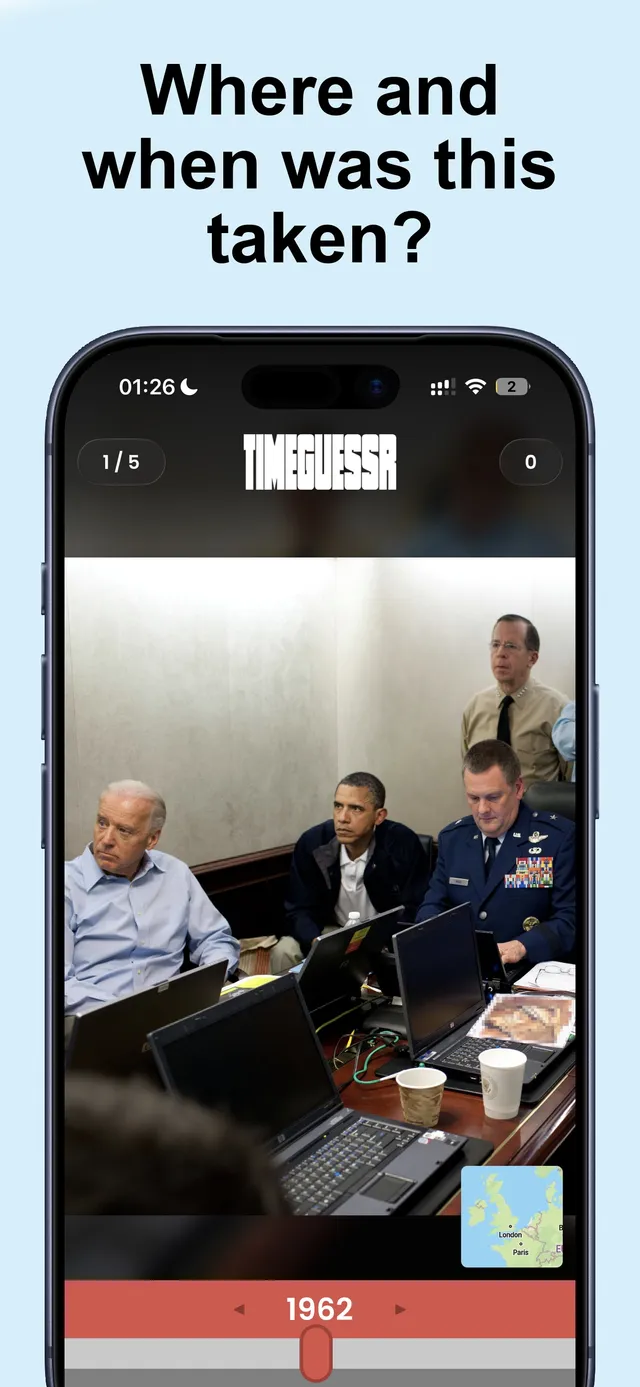
TimeGuessr
Pin each photo on the map and pick the year it was taken.
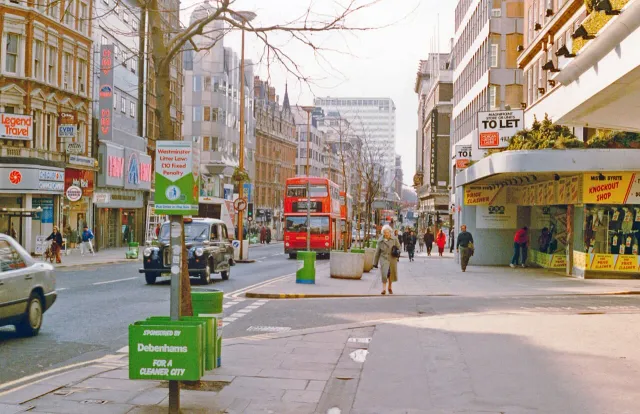
WhenTaken
Look at five photos a day and guess where and in what year each one was taken.
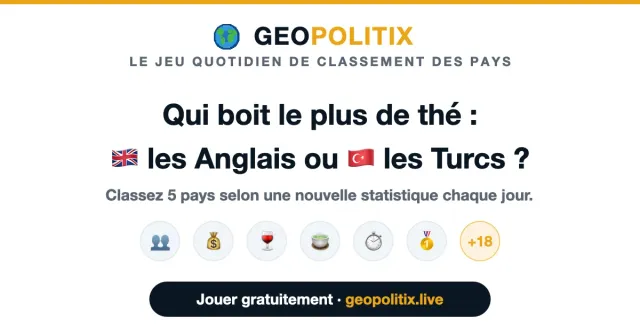
Geopolitix
Five countries, one statistic: find the right order.
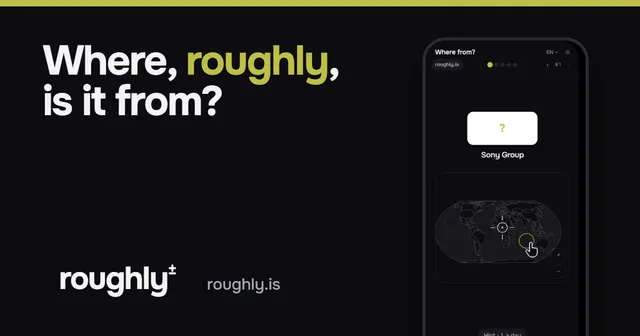
Where from? roughly.
See a company's logo and pin its headquarters on a blank world map.