Guessword (The i Paper)
Rate itThe i Paper's five-letter word of the day, found in six guesses with one letter given.
Every day: One five-letter word of the day, the same for every player, with one letter shown as a starting clue and six guesses to find it. New puzzle: Not stated; the puzzle page is dated, with a new word for each calendar day (UK date)..

Guessword is the Wordle-style word game in The i Paper's puzzles section. Each day there is one hidden five-letter word, you start with one letter already revealed, and you have six guesses to find the rest. It plays in the browser and in The i Paper app, with a free account.
About Guessword (The i Paper)
Guessword is one of the daily puzzles on inews.co.uk, the site of the British newspaper The i Paper, alongside its crosswords, codeword and number puzzles. Each date has its own puzzle page, and the word behind it is the same for everyone who plays that day.
The rules follow the familiar five-letter pattern. You type a word into the active row and press Check. Letters that sit in the right place turn blue, letters that are in the word but in the wrong place turn orange, and the on-screen keyboard keeps the same colours so you can see which letters are left. Letters may repeat in the answer. You have six rows to get it.
The difference from most Wordle-style games is the start: the game gives you one letter as a clue before your first guess, so the opening move is less of a lottery. There is no hint button beyond that. When you finish, the page shows your time and offers a share button for your result, and a link leads to previous days' puzzles.
The i Paper asks you to log in before playing: a free account opens one puzzle a day, and a subscription opens the rest of the puzzle section without limits. The game suits anyone who already plays Wordle and wants a second word each morning with a slightly gentler opening.
How to play Guessword (The i Paper)
- Open Guessword on The i Paper's puzzles page and log in or create a free account.
- Look at the letter the game has already revealed as your starting clue.
- Type a five-letter word into the active row; letters may be used more than once.
- Press Check to see how close your guess is.
- Read the colours: blue means the right letter in the right place, orange means the letter is in the word but somewhere else.
- Keep guessing with what you have learned until you find the word, within six tries.
Tips
- Build your first guess around the revealed letter so every other square tests something new.
- Use the coloured keyboard to rule out letters before you type the next row.
- Remember that the answer can repeat a letter, so a word with a double letter is worth trying when the colours stall.
Questions
Is Guessword free?
It needs an account with The i Paper. A free account gives you one puzzle a day, and a subscription opens all of the paper's puzzles without that limit.
How many guesses do you get in Guessword?
Six. Each guess must be a five-letter word, and the game reveals one letter of the answer before you start.
What do the colours mean?
Blue is a correct letter in the correct place. Orange is a letter that is in the word but in a different place.
Ratings and reviews
No ratings yet. Be the first to rate Guessword (The i Paper).
Games like Guessword (The i Paper)
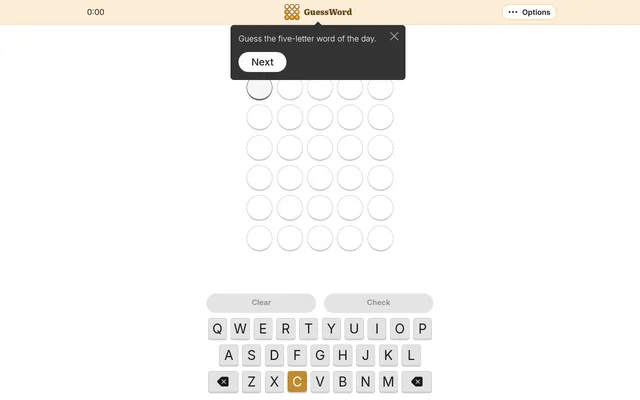
GuessWord (Daily Mail)
The Daily Mail's GuessWord, from the same publisher's puzzle platform: another five-letter word a day in six…
Wordle
The original five-letter daily word, six guesses with green and yellow tiles and no letter given at the start.
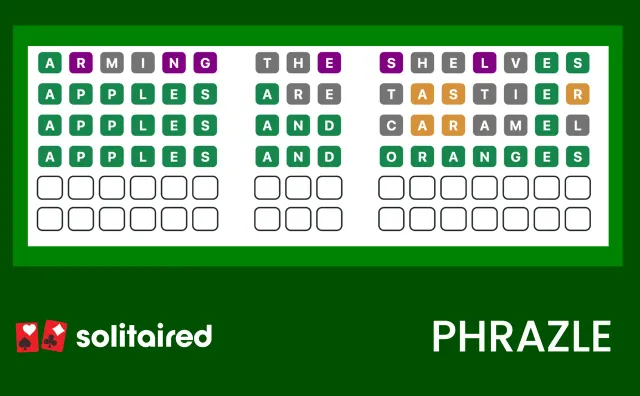
Phrazle
The same colour feedback stretched over a whole common phrase, for a longer daily guess.
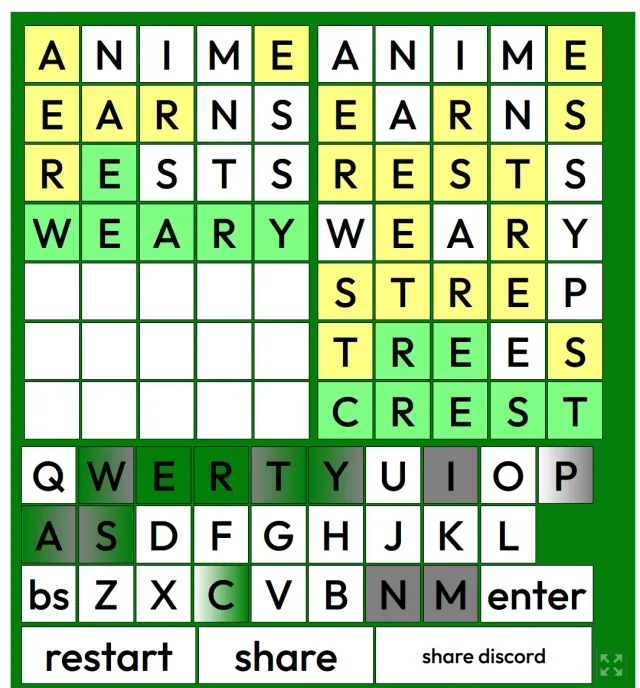
Dordle
Two five-letter words at once with seven shared guesses, a step up once one word a day feels easy.
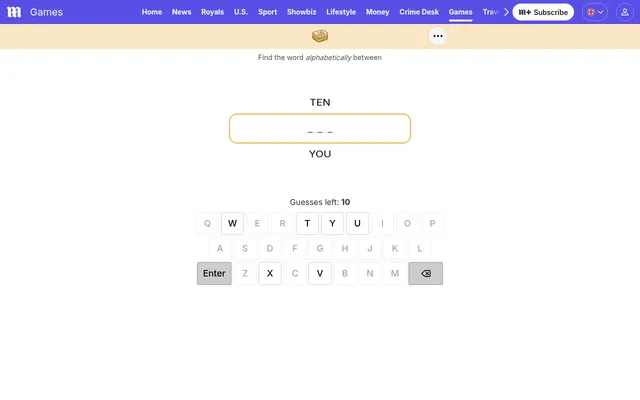
Sandwich (Daily Mail)
Another newspaper word hunt for one hidden word a day, narrowed down alphabetically instead of by colours.
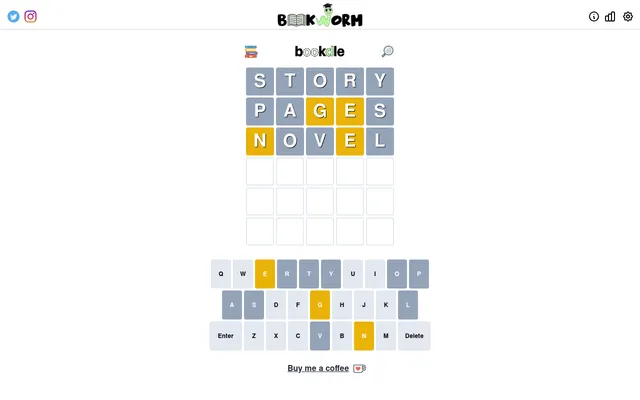
Bookdle
Wordle for readers: guess the day's book-themed five letter word in six tries.
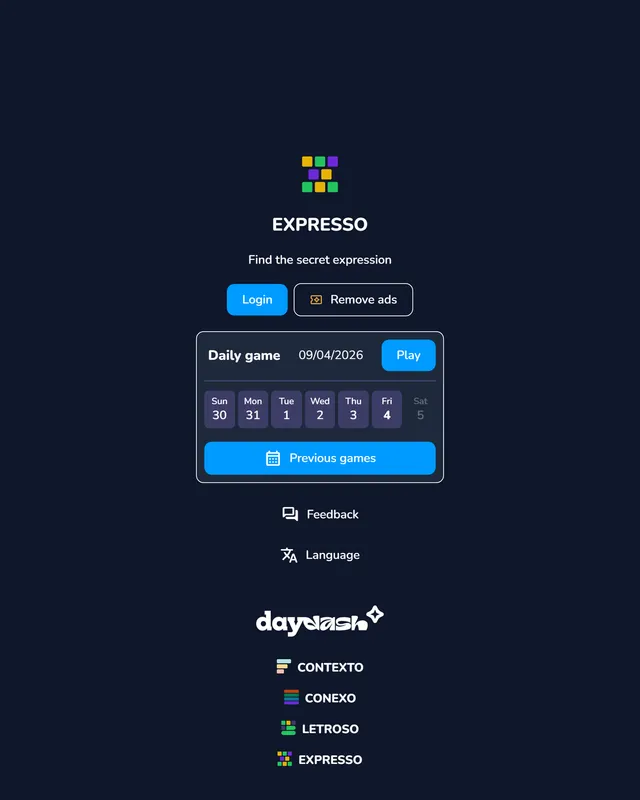
Expresso
Guess the day's secret expression, word by word, with colour clues.
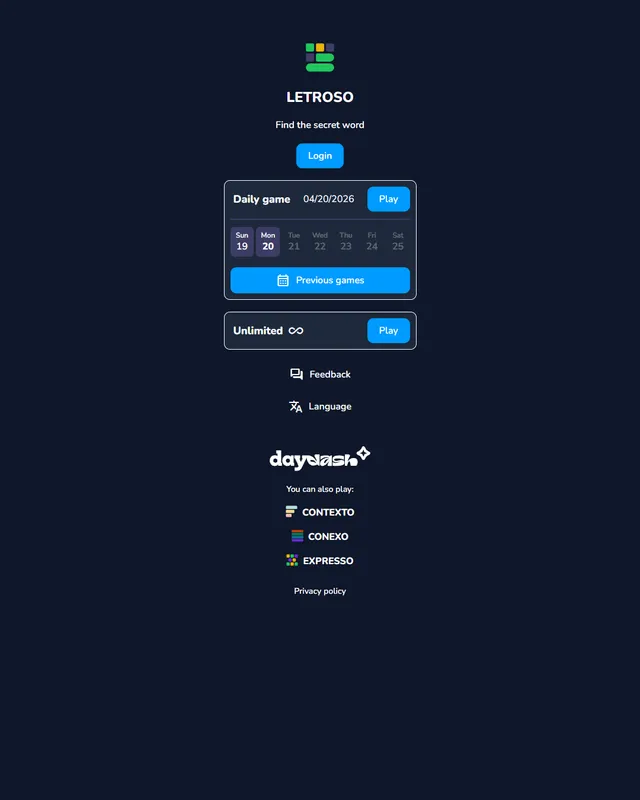
Letroso
Find the secret word of up to ten letters, guided by letter order.