Equinox (Puzzle Round)
Balance suns and moons: three of each per line, never three in a row.
Every day: One 6x6 grid of suns and moons a day, the same for every player, with a few cells already filled. Fill the rest so every row and column holds three of each and no symbol appears three times in a row. Ranked by solve time on the daily leaderboard. New puzzle: Midnight UTC.
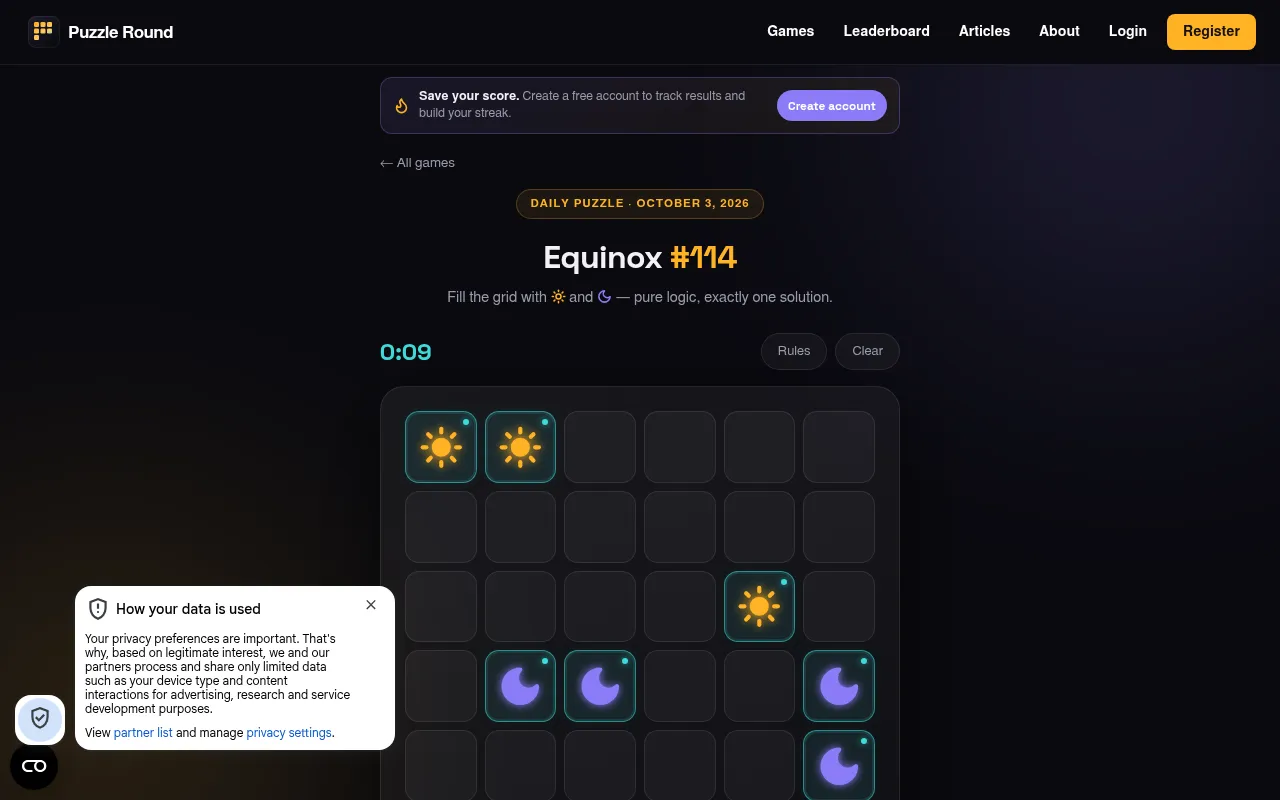
Equinox is Puzzle Round's daily balance grid. Fill a 6x6 board with suns and moons so every row and column has three of each and no three of a kind sit together. Everyone gets the same board each day, and your time goes on the leaderboard.
About Equinox (Puzzle Round)
Equinox is a binary logic puzzle, the family also known as binairo or takuzu, and the first game in Puzzle Round's daily lineup. The board is a 6x6 grid with a few suns and moons already placed and locked. You fill every other cell with one of the two symbols.
Two rules hold the grid together: every row and every column must contain exactly three suns and three moons, and the same symbol may never appear three times in a row. The site promises that no guessing is needed, so each cell can be worked out from the ones around it. Cells that break a rule are highlighted, which makes a slip easy to spot.
Tapping an empty cell places a sun, a second tap turns it into a moon, and a third clears it. The timer runs from your first move, and a solve posts your time to the day's leaderboard. Players who know LinkedIn's Tango will find the same idea here without the equal and cross signs between cells.
Puzzle Round is a free website of short daily puzzles by thatsoftwaredude, an independent developer. Every player gets the same puzzles each day, a countdown on the site runs to the next midnight UTC, and each game keeps its own daily leaderboard ranked by solve time. You can play without signing up; a free account saves your result to the leaderboard and keeps your streak, and private Circles let a family or a group of friends compare results. Clearing the whole lineup in a day counts as a Perfect Day.
How to play Equinox (Puzzle Round)
- Open puzzleround.com/equinox to load today's 6x6 grid.
- Tap an empty cell once for a sun, twice for a moon, and a third time to clear it.
- Give every row and column three suns and three moons.
- Never let the same symbol run three in a row in any line.
- Fill the last cell to stop the clock and see your place on the daily leaderboard.
Tips
- Two matching symbols side by side force the opposite symbol on both ends.
- A gap between two matching symbols must take the other symbol.
- Once a line has three of one symbol, the rest of it is the other.
- Locked pieces are clues: start from the rows and columns with the most of them.
Questions
What are the rules of Equinox?
Each row and column holds three suns and three moons, and the same symbol may not appear three times in a row. Pre-filled cells are fixed.
Is Equinox like Tango?
Yes, both are sun and moon balance grids. Equinox uses only the balance and no-three-in-a-row rules, without the equal and cross signs Tango adds.
When does a new Equinox puzzle come out?
Once a day at midnight UTC. The site shows a countdown to the next puzzle, and everyone plays the same one that day.
Is Equinox free?
Yes. Puzzle Round is free to play in the browser (its terms mention optional ads). You can solve without an account; a free account puts your time on the daily leaderboard and keeps your streak.
Games like Equinox (Puzzle Round)

Tango
LinkedIn's sun and moon grid with the same balance rules plus equal and cross signs
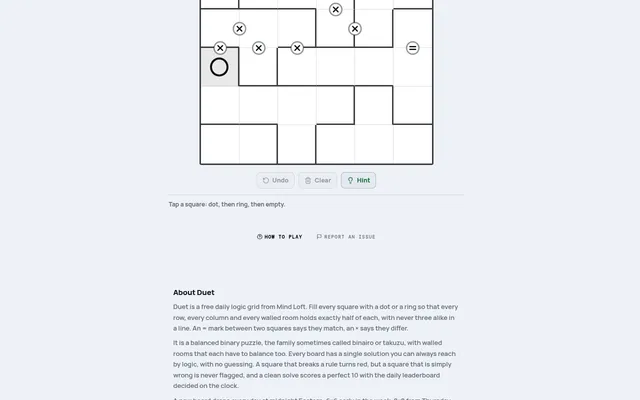
Duet (Mind Loft)
Mind Loft's daily dot and ring grid, half and half in every line
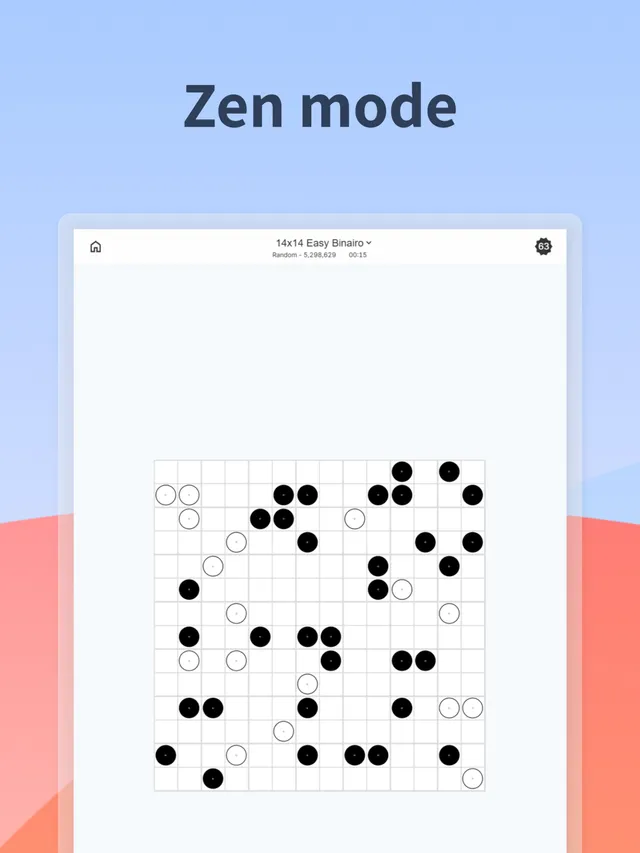
Daily Binairo
A daily binairo grid on its own site, in larger sizes

Daily Binairo (SudokuWiki)
SudokuWiki's daily binairo for a harder board

Equinox (Puzzleship)
Puzzleship's Equinox logic puzzle, a different daily game with the same name
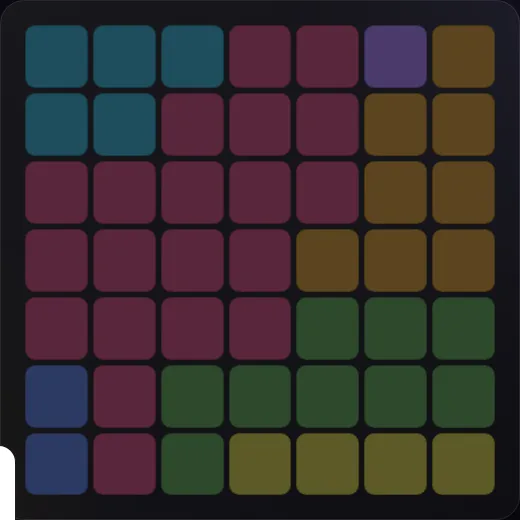
Crowns (Puzzle Round)
One crown per row, column and colour region, and no two crowns may touch.
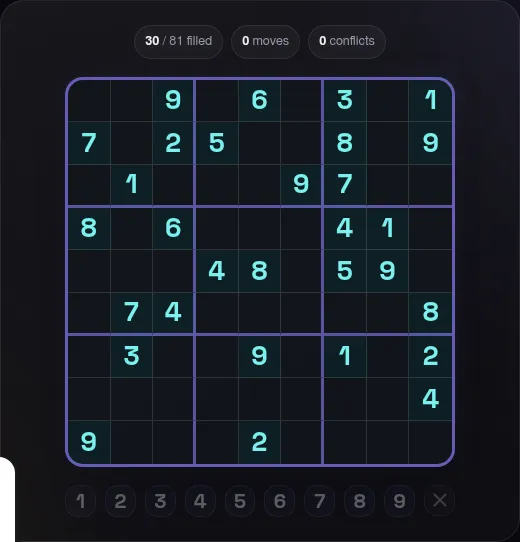
Sudoku (Puzzle Round)
Daily Sudoku in three sizes: 4x4, 6x6 and 9x9.
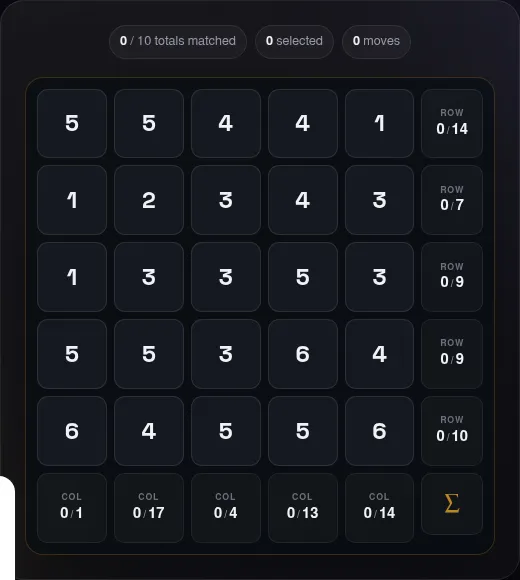
Sumset (Puzzle Round)
Select numbers until every row and column reaches its target.