Logic
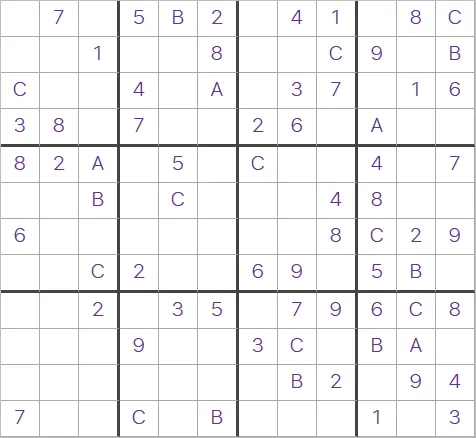
12x12 Giant Sudoku (PuzzleMadness)
A 12x12 sudoku using 1 to 9 and A to C, one new grid a day.
PuzzleMadness is a UK puzzle site with a dated daily puzzle for each of more than eighty puzzle types, most in several difficulties: classic, killer and dozens of variant sudokus, Kakuro, Hashi, Slitherlink, Nonograms, Star Battle and many more logic grids, plus mazes and a word search. Scores feed monthly and all-time leaderboards, and every past day stays in the archive.
A 12x12 sudoku using 1 to 9 and A to C, one new grid a day.
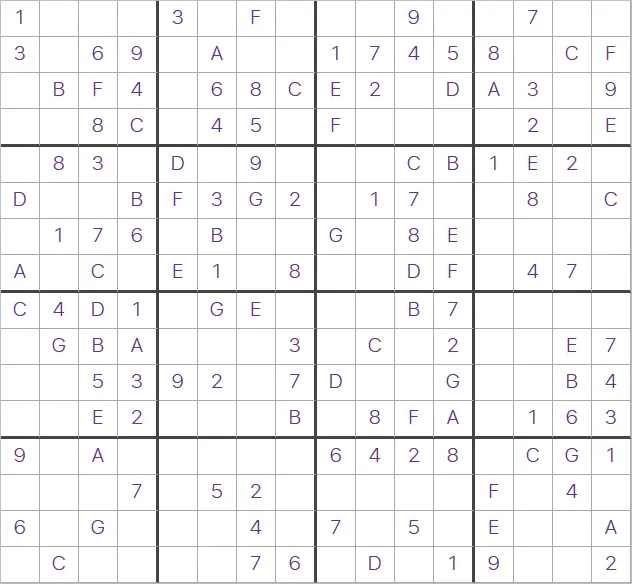
A 16x16 sudoku using 1 to 9 and A to G, one new giant grid a day.
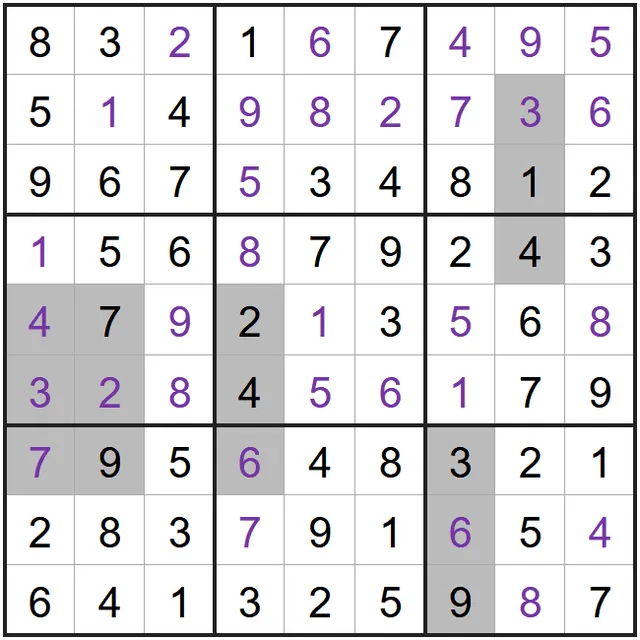
A sudoku with grey blocks of cells that work as written-out addition sums.
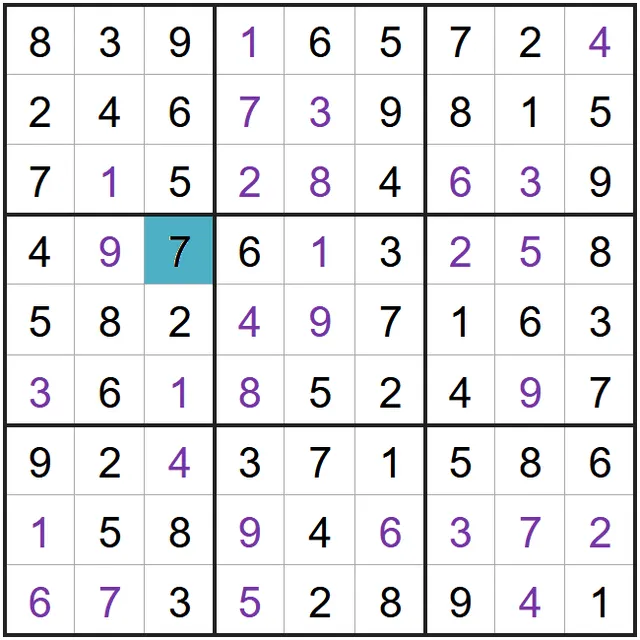
A sudoku where the same digit may never sit in two cells that touch, not even diagonally.
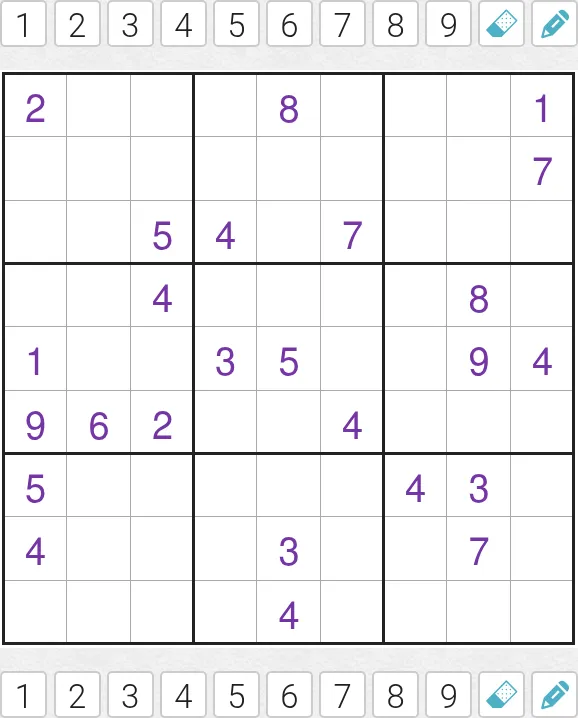
A sudoku where the same digit may never sit a chess knight's move away from itself.
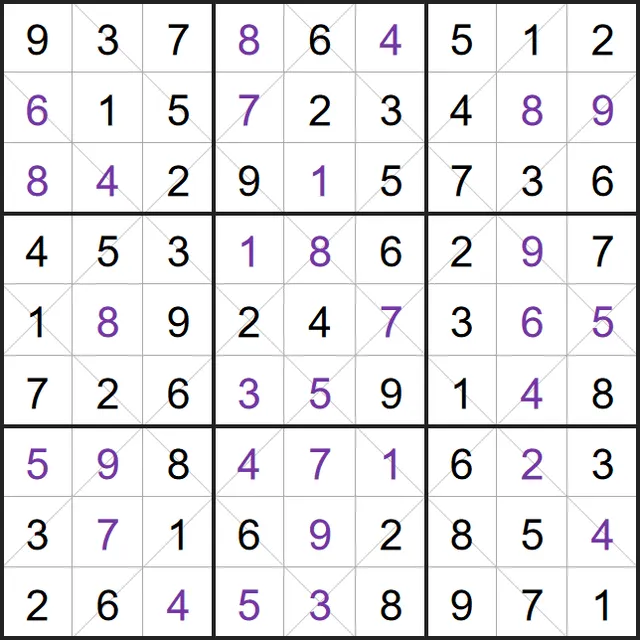
A sudoku with eight diagonal lines in an argyle pattern, and no digit repeats along any of them.
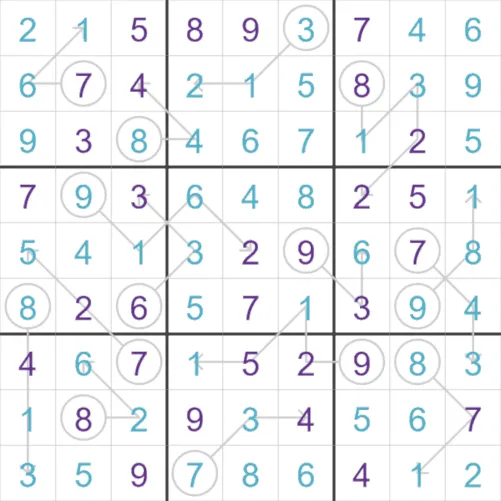
Sudoku with arrows: the circled digit equals the sum along its stalk.
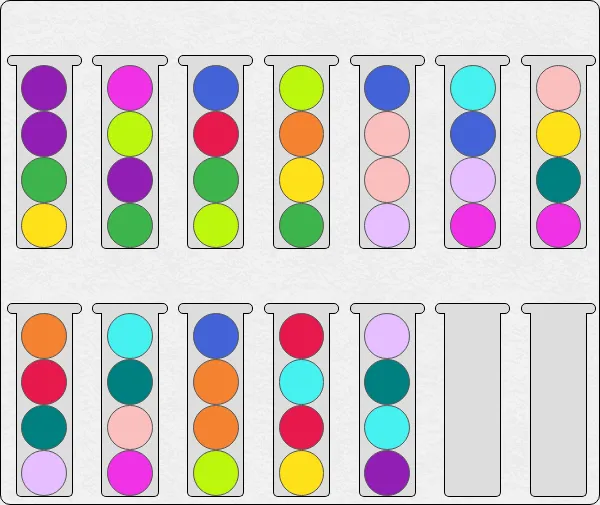
Move coloured balls between tubes until every tube holds a single colour.
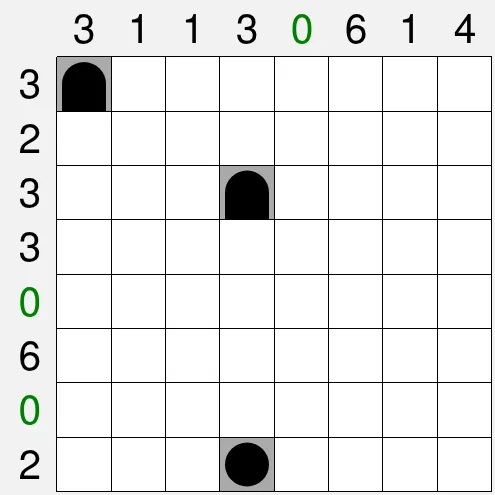
Find the hidden fleet from the row and column counts, one grid a day.
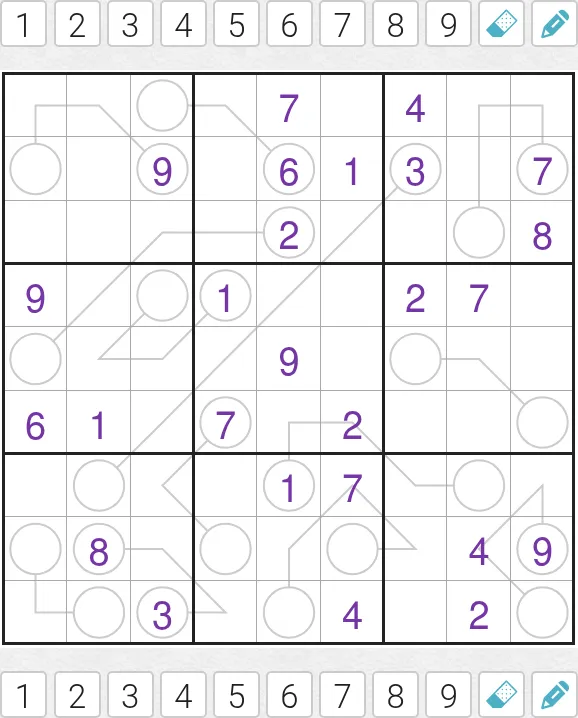
A sudoku with lines between two circles: every digit on the line lies strictly between the circled ends.
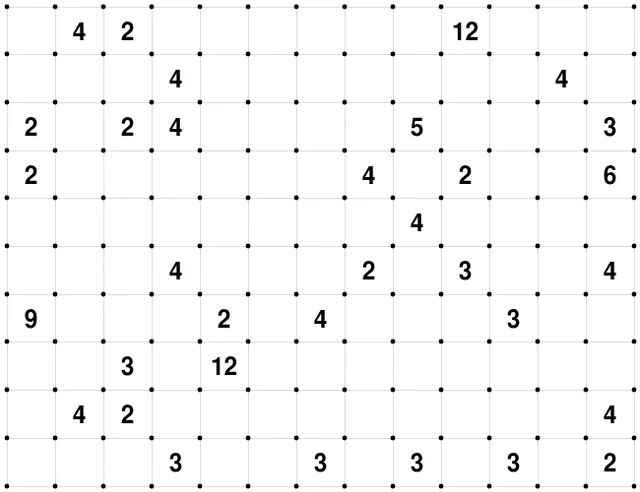
Split the grid into rectangles, each holding one number equal to its area.
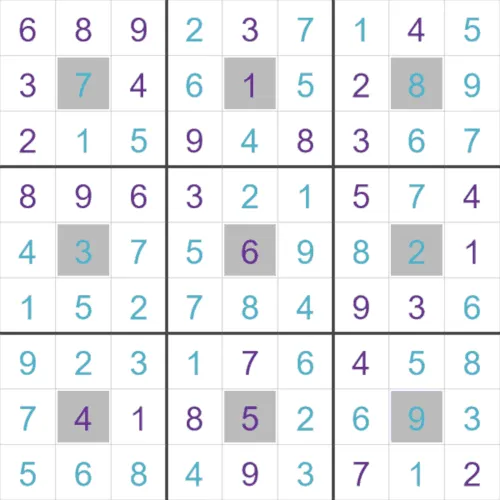
Sudoku where the nine centre squares of the boxes form an extra region.
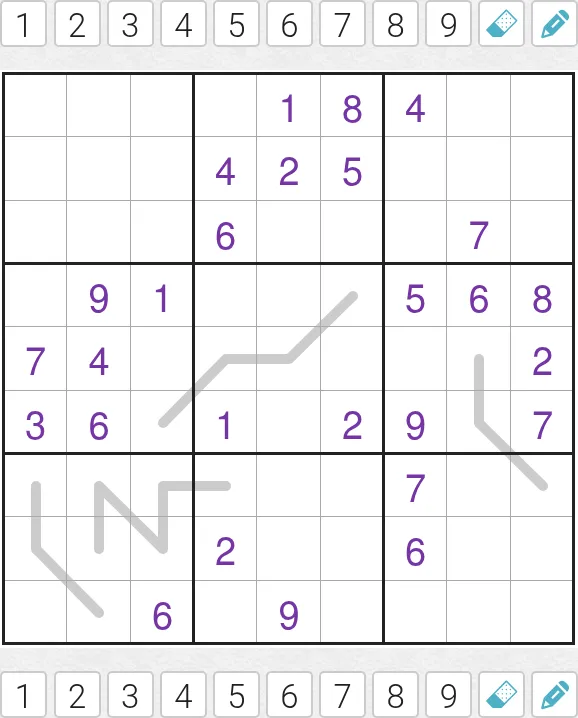
A sudoku with grey lines where each digit is one more or one less than the next along the line.
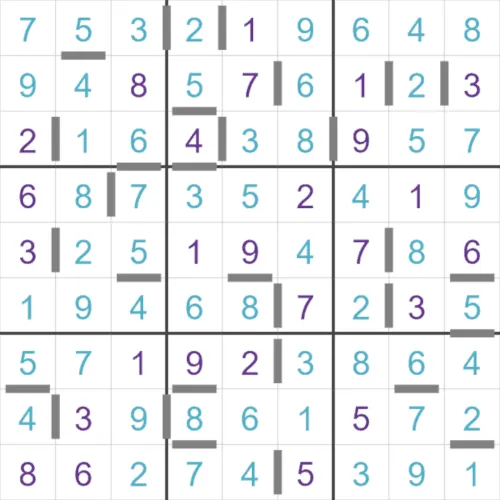
Sudoku where a thick bar between two squares means their digits differ by one.
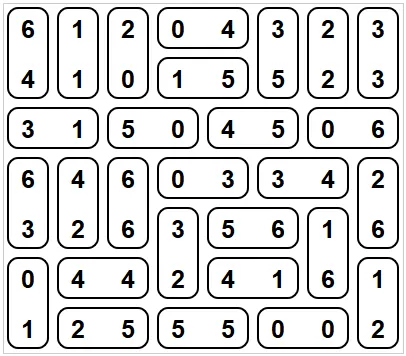
Split a grid of numbers into a full set of dominoes, each pair used once.
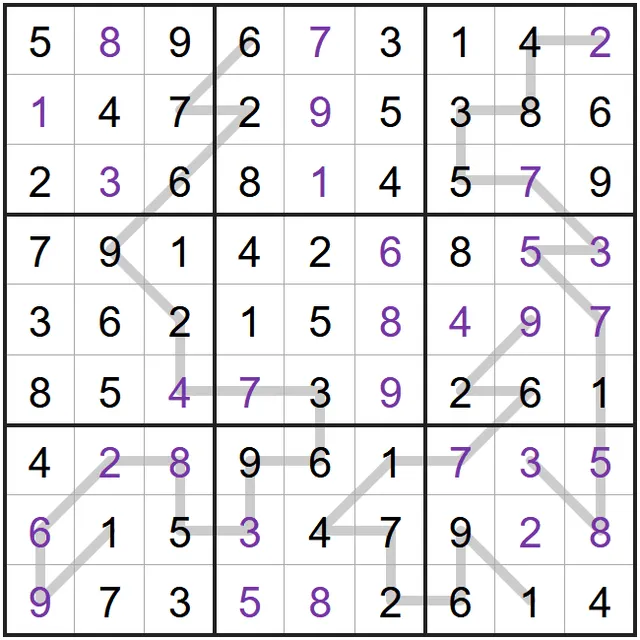
A sudoku with lines where any three cells in a row hold one low, one medium and one high digit.
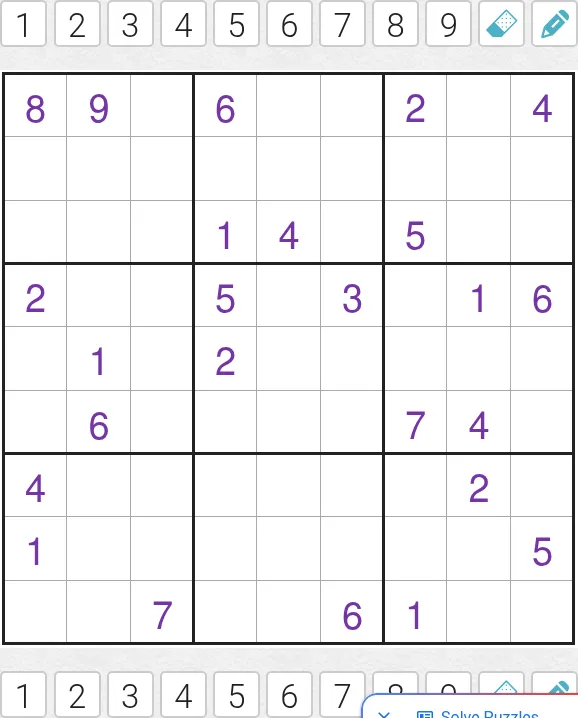
A sudoku where every 2x2 square of cells must hold a low, a medium and a high digit.
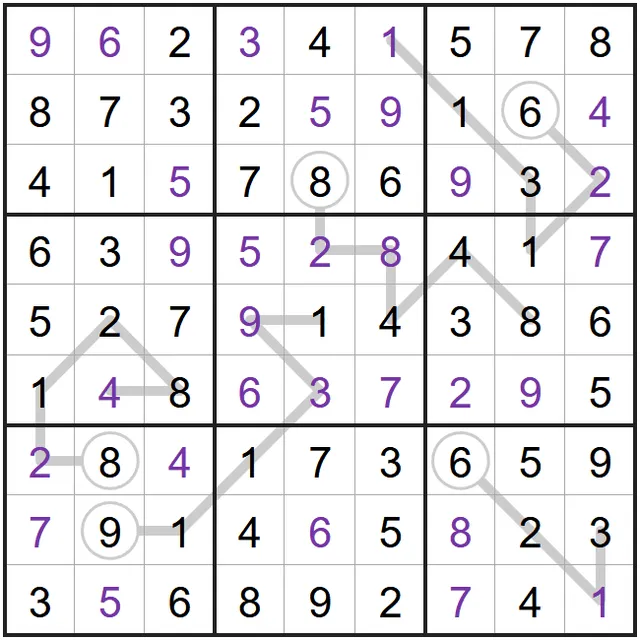
A sudoku with lines from a circle: every digit on the line must divide the circled digit exactly.
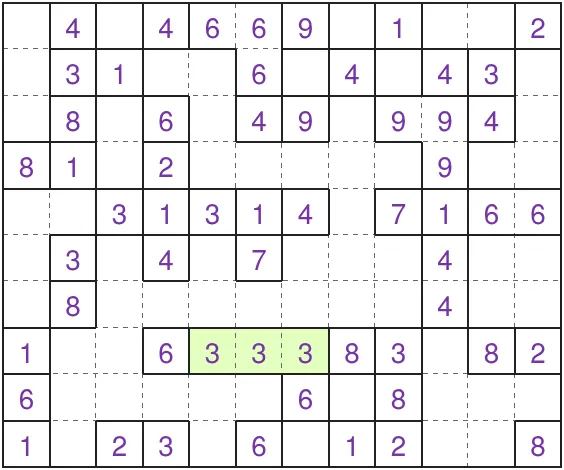
Divide the grid into groups where each number is the size of its group.
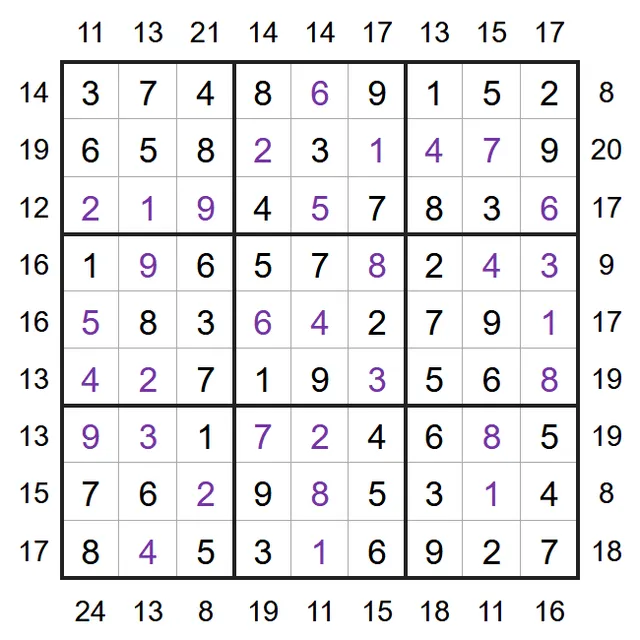
A sudoku framed by sums: each clue is the total of the first three digits from that edge.
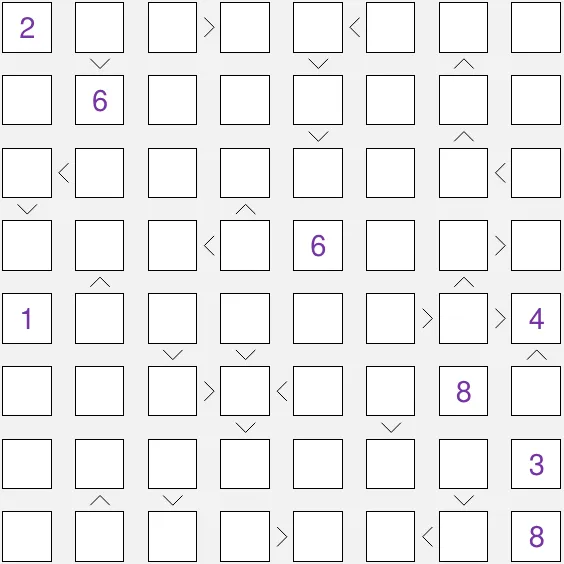
Fill a Latin square that obeys every greater-than and less-than sign.
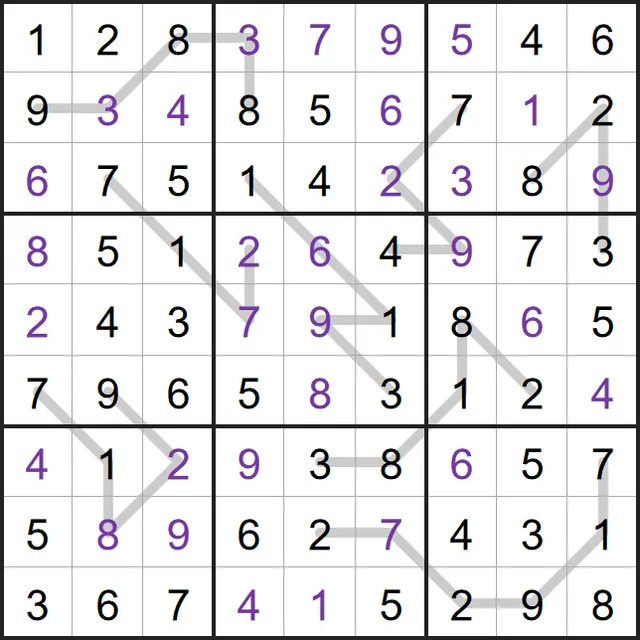
A sudoku with grey lines where neighbouring digits along a line differ by at least 5.
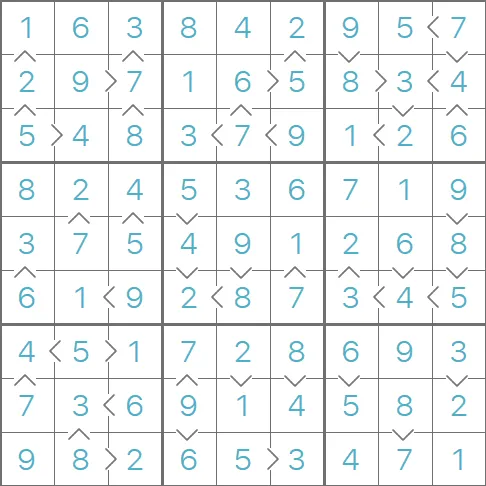
A sudoku solved from greater-than and less-than signs between squares.
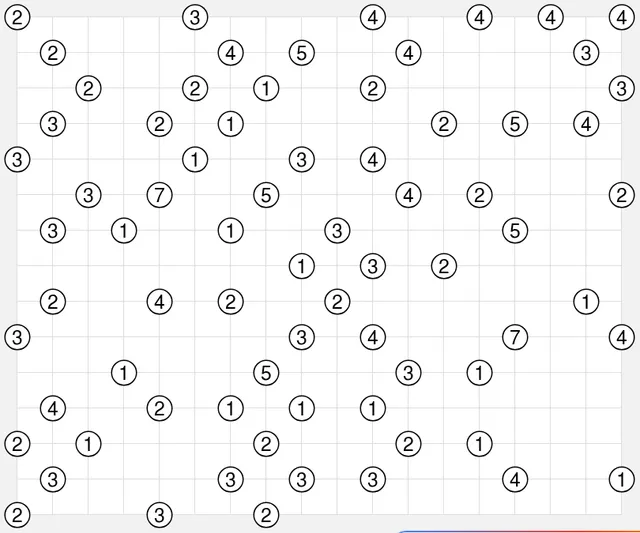
Link every island with bridges so each has its number, all in one network.
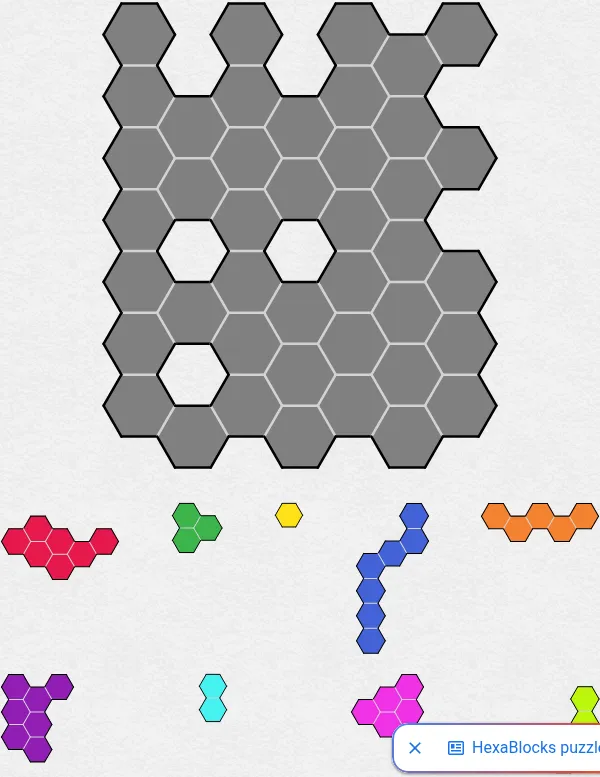
Fit every hexagon-shaped piece into the grid with no gaps and no overlaps.
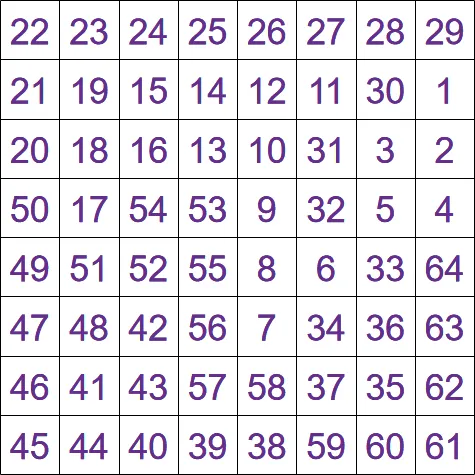
Fill in the numbers so they run from 1 to the last in one chain of touching squares.
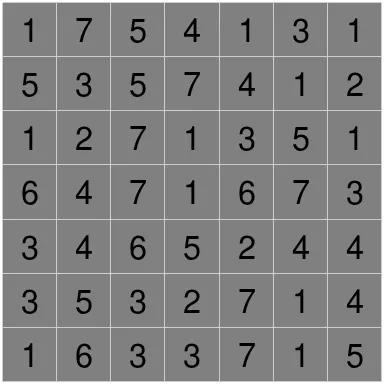
Shade out repeated numbers so no row or column shows a number twice.
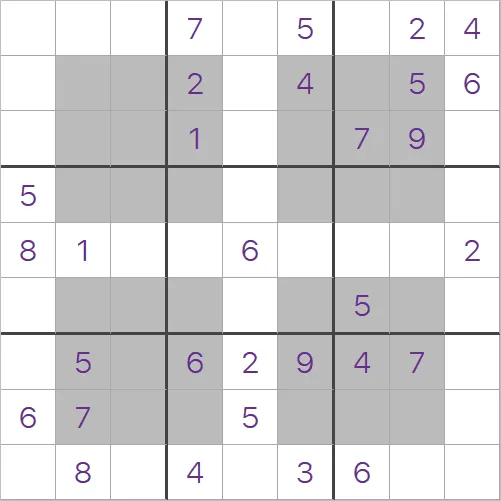
Sudoku with four extra shaded 3x3 regions that must also hold 1 to 9.
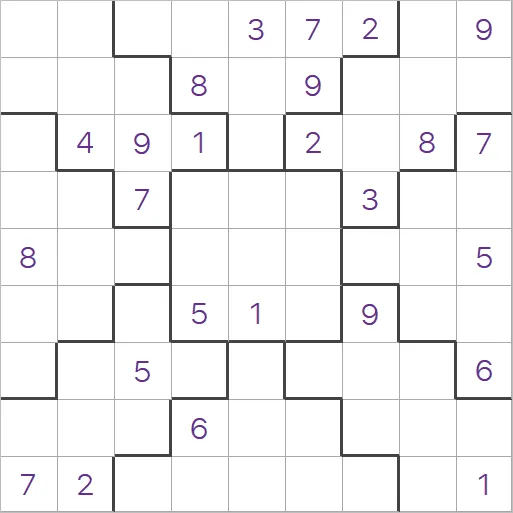
Sudoku with nine irregular regions in place of the 3x3 boxes, new every day.
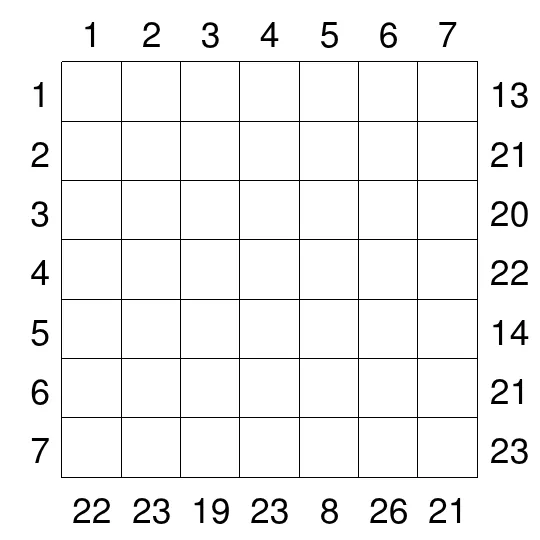
Shade cells so each row and column adds up to its total, counting each cell by its position.
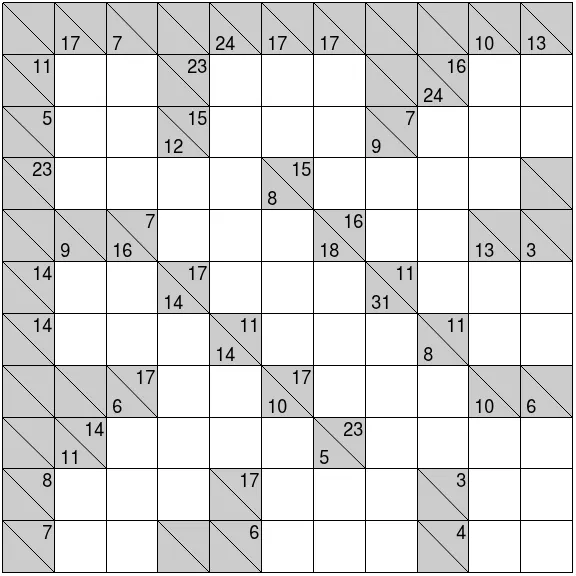
A daily cross-sum grid: make every run add up to its clue with no repeated digit.
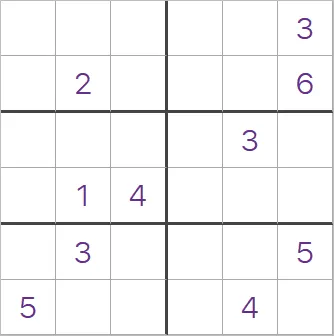
Small 4x4 and 6x6 sudokus for children and beginners, one a day.
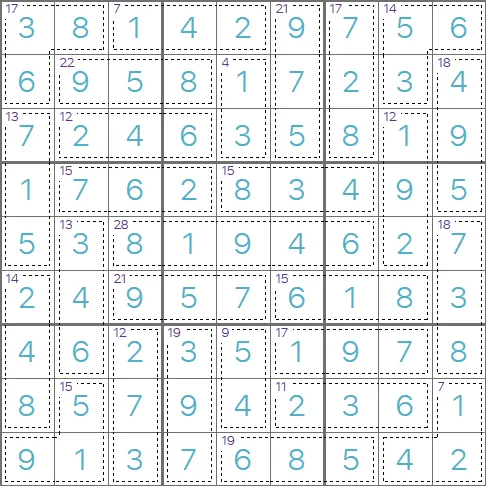
A daily sudoku with no given digits, only dotted cages and their sums.
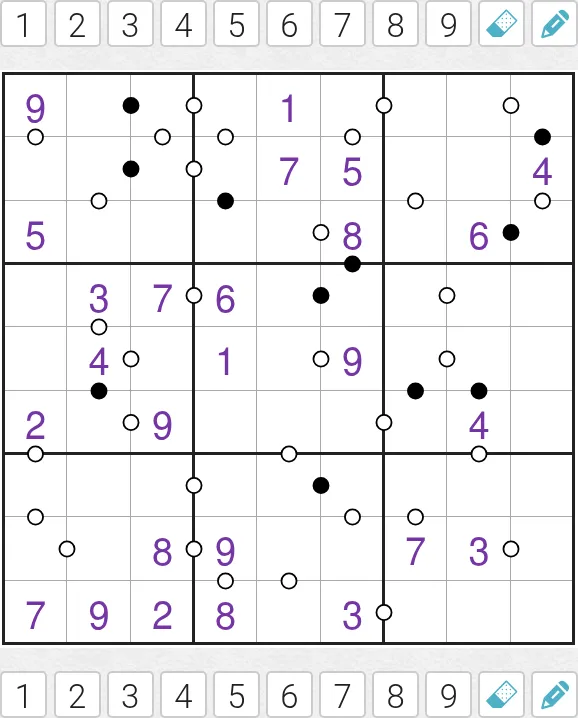
A sudoku with dots between cells: white for consecutive digits, black for one double the other.
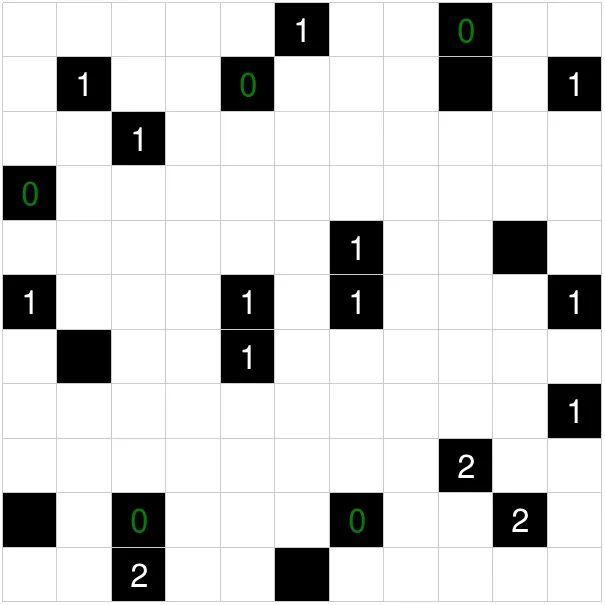
Place bulbs so every white square is lit and no bulb shines on another.
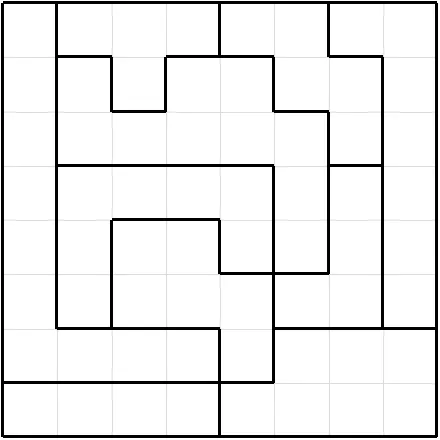
Shade one L, I, T or S tetromino in every region so the shading joins up with no 2x2 blocks.
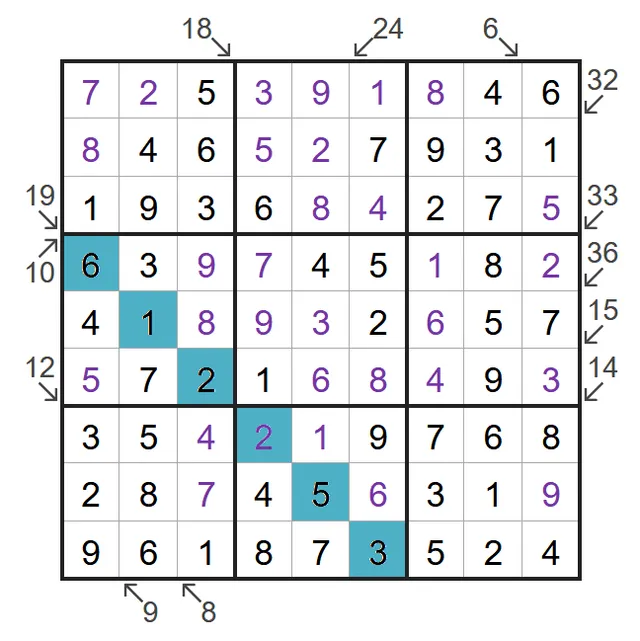
A sudoku with arrowed sums outside the grid, each giving the total of a diagonal.
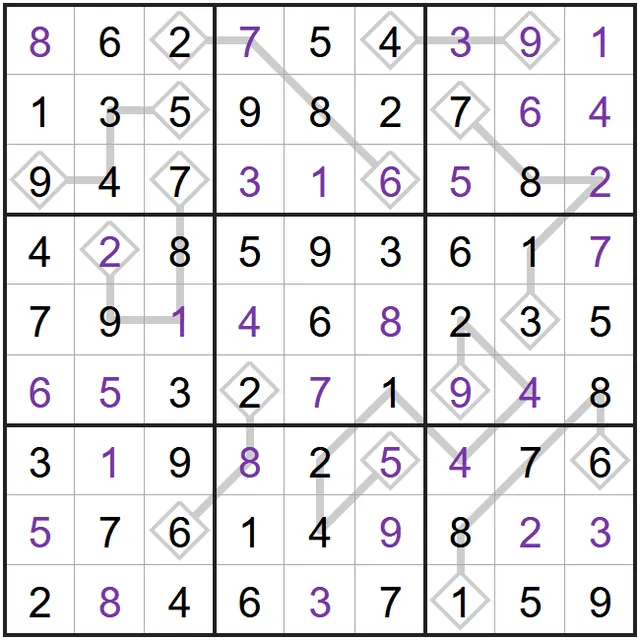
A sudoku with lines between two diamonds: the ends differ by at least 4 and the middle stays outside their…
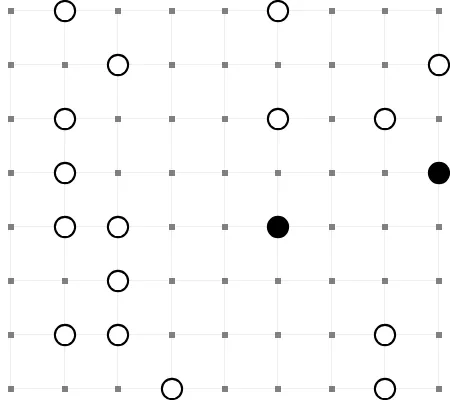
Draw one loop through every pearl: turn on black, go straight on white.
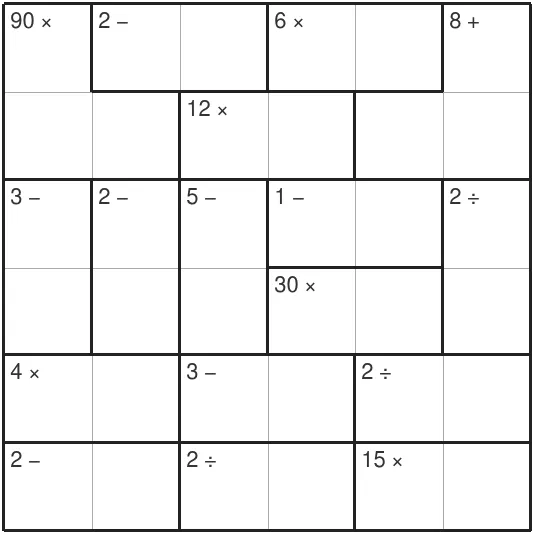
A daily KenKen-style grid: fill each row and column and hit every cage's target.
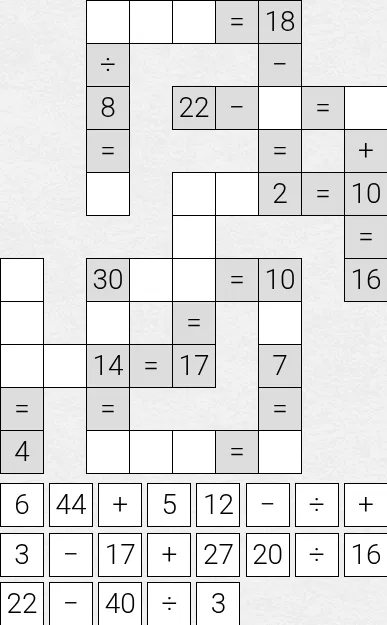
Move the numbers and signs under the grid into place so every sum works.
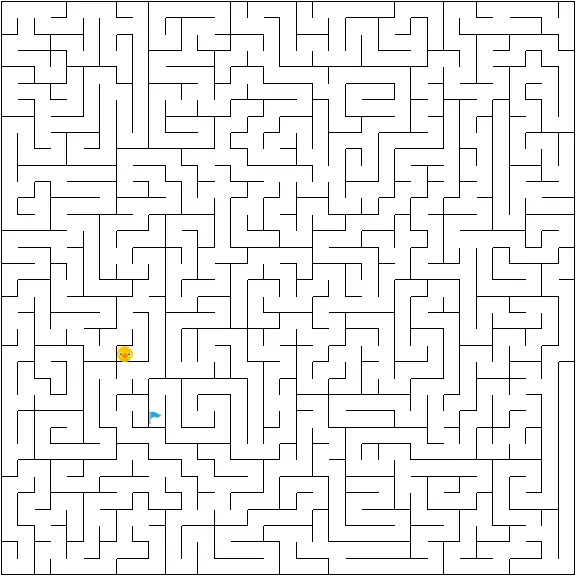
Guide your avatar through the day's maze to the flag.
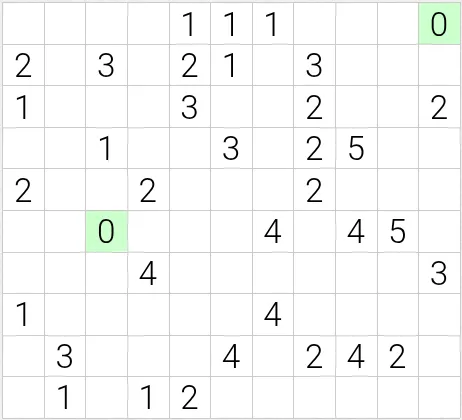
A daily logic Minesweeper: work out every mine from the number clues.
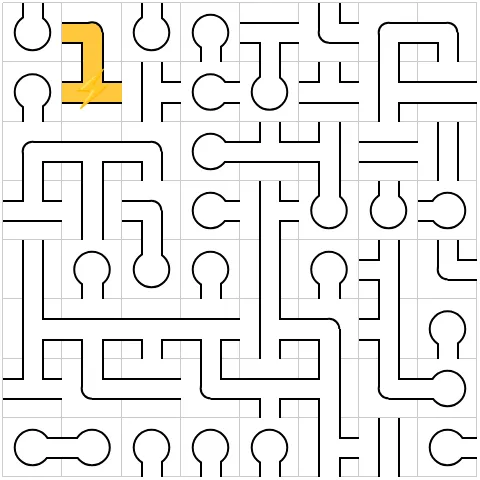
Rotate the tiles until every cell connects to the power source with no dead ends.
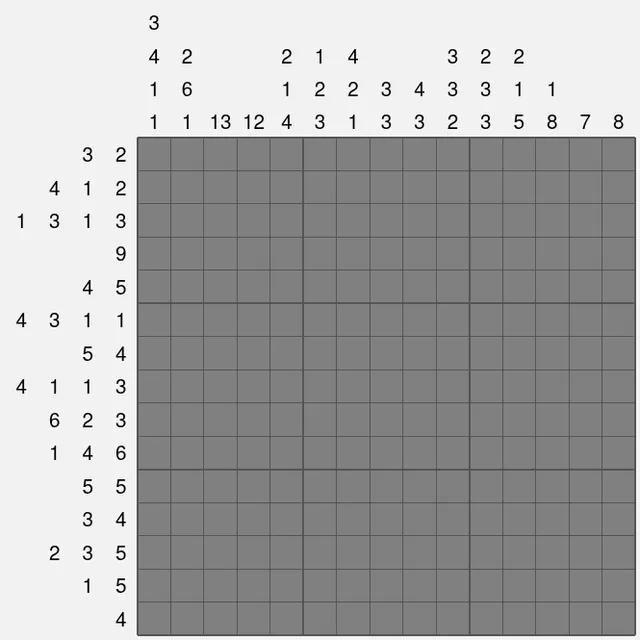
Colour the grid from the run clues on every row and column to reveal a picture.
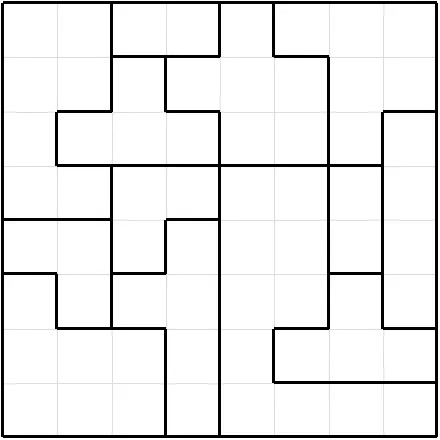
Shade exactly two cells in every region, with the shaded cells forming dominoes that never touch.
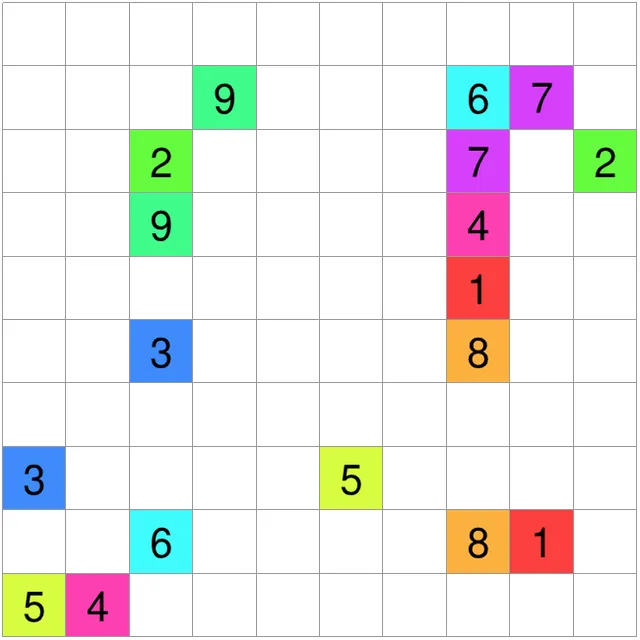
Join each pair of matching numbers with lines that fill every square.
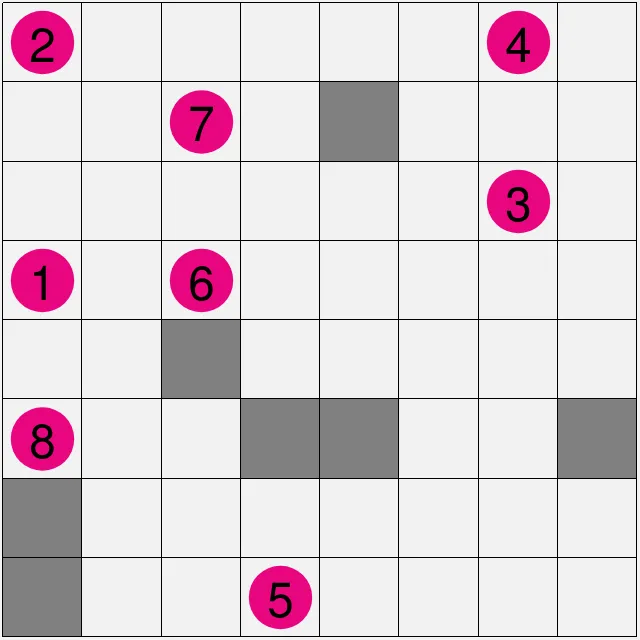
Draw one line from 1 through every number in order, covering every open cell.