Tiles
Clear a board of patterned tiles by chaining matches, with no words and no timer.
Every day: One designed board of patterned tiles a day, the same for every player; you clear it by chaining matches and try to do it in one unbroken combo. New puzzle: Once a day.
Play on NYT GamesNYT Games on the App StoreNYT Games on Google Play

Tiles is the New York Times' wordless matching game. Each day brings one board of tiles built from layered patterns, and you clear it by tapping tiles that share a pattern with the one before, keeping your combo going as long as you can. It needs a New York Times Games or All Access subscription.
About Tiles
Tiles came out in 2019 as a New York Times game with no words in it at all. The Times describes it as a soothing matching game to unwind with, and its boards look more like textile patterns than a game screen.
Each square on the board holds a small design made of several layers, such as a coloured shape, a ring and a background pattern. You tap any tile to start, then tap another tile, anywhere on the board, that shares at least one layer with it. The shared layer disappears from both, and the second tile becomes the start of your next match. Every match in a row adds to your combo. Tap a tile that shares nothing and the combo drops back, but the game goes on.
When a tile loses its last layer it is cleared, and you get a free choice of where to go next. Clear every tile and the board is solved. There is no timer: the number that counts is your longest combo, and clearing the whole board in a single combo is what regular players aim for. Doing that means planning the order of matches so a rare pattern does not leave you stranded.
Tiles was free for its first years, but since 27 August 2025 it needs a New York Times Games or All Access subscription, like the Mini and Letter Boxed. It suits players who want a quiet daily puzzle that is about looking rather than words or arithmetic.
How to play Tiles
- Open Tiles on nytimes.com or in the NYT Games app and sign in with a subscription.
- Tap any tile to start your chain.
- Tap another tile that shares at least one pattern layer with it; the shared layer disappears from both.
- Keep tapping tiles that match the one you tapped last to grow your combo.
- When a tile is fully cleared, choose any tile to carry on.
- Clear every tile on the board, and try to do it without breaking your combo.
Tips
- Look over the whole board before your first tap; matching tiles do not have to be next to each other.
- Follow the pattern that appears most often to build long runs.
- Save rare patterns that appear on only two tiles; matching them early can leave you with nowhere to go.
- Use the free choice you get after a tile clears to jump to a fresh group of tiles.
- Think a few matches ahead: after each match, ask which layers the current tile still has.
- Take your time; there is no clock, only the combo.
Questions
Is NYT Tiles free?
No. Since 27 August 2025 Tiles needs a New York Times Games or All Access subscription, on the web and in the NYT Games app.
Is there a new Tiles board every day?
Yes. The Times publishes one designed board a day. Sites offering unlimited Tiles boards are unofficial copies, not the Times' game.
Is Tiles timed?
No. There is no timer; the game tracks your combo, the number of matches you make in a row.
What happens if I tap a tile that does not match?
Your combo breaks and starts again, but you keep playing the same board.
What is a perfect game of Tiles?
Clearing the whole board in one unbroken combo.
When did Tiles come out?
In 2019.
Games like Tiles

Pips
The Times' other wordless daily puzzle, placing dominoes by rules

The Daily Set
A daily card puzzle about spotting shared and differing features

Zip
A short daily path puzzle with no words
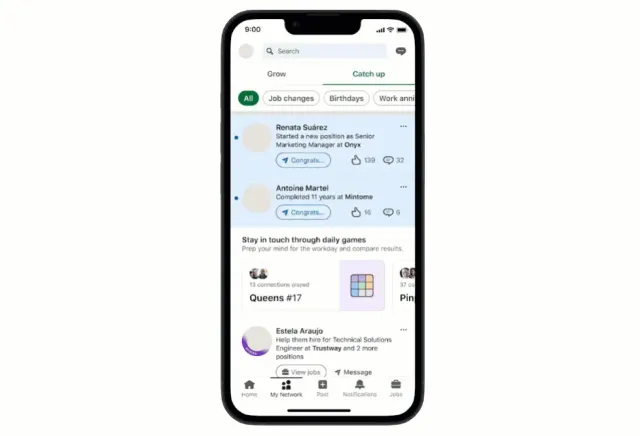
Queens
A calm daily grid puzzle with coloured regions
NYT Sudoku
Another New York Times daily puzzle without words

Connections
The Times' free daily game about finding what things have in common
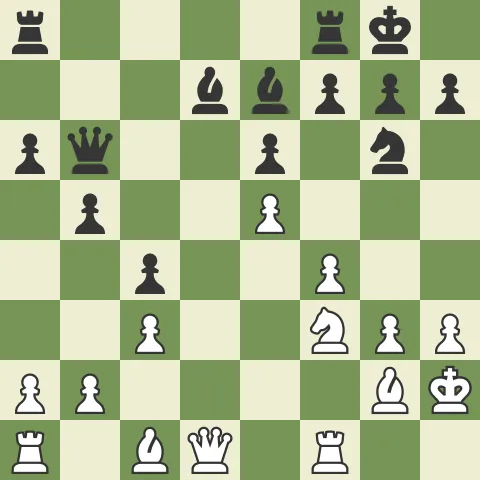
Chess.com Daily Puzzle
One chess position a day: find the winning line, from a gentle Monday to a hard Sunday.

Clues by Sam
Work out which of 20 suspects are criminals and which are innocent, one proven deduction at a time.