Etymon
Six clues about a word's history; how many do you need to name it?
Every day: One numbered etymology puzzle per day (Etymon #131 on 2 October 2026), sent to every subscriber and posted online: six clues about a word's history, from vague to specific, lead to the hidden English word. New puzzle: Once a day, with each new numbered post.
Etymon is a daily etymology puzzle published as a Substack newsletter. Each numbered edition hides one English word behind six clues about where it came from, how its meaning changed and which words it is related to, and you try to name it with as few clues as possible.
About Etymon
Etymon began in late May 2026 and publishes one numbered puzzle every day, emailed to subscribers and posted on its Substack site. The same puzzle goes to everyone, and readers share in the comments how many clues they needed.
Each puzzle is a short run of clues about one word's history. Early clues give broad facts, such as when the word was first recorded in English and what language it came from; later ones mention related words, older meanings, famous uses (for example in Shakespeare) and finally the number of letters. The answer is given on an Answer Card at the end, which you read by turning your screen, so you can stop scrolling as soon as you have a guess.
Weekday puzzles are free; weekend editions and older puzzles in the archive are for paid subscribers. New free subscribers also get a set of ten bonus cards on Greek and Latin roots. You can share a Solved in N banner on Substack Notes.
It suits word lovers, crossword solvers and anyone curious about where English words come from; it reads more like a short daily lesson than a timed game.
How to play Etymon
- Open today's Etymon email or post.
- Read the first clue about the word's origin and try to name the word.
- If you cannot, read the next clue; there are six, from broad to specific.
- Check the Answer Card at the end and share how many clues you needed.
Screenshots
Tips
- Note the language of origin early; native Old English words and Latin borrowings look very different.
- Related words in later clues often share a root you can recognise.
- The final clue gives the letter count, so keep a short list of candidates ready.
- Read slowly: dates and changes of meaning are strong hints.
Questions
Is the puzzle the same for everyone?
Yes. One numbered puzzle a day goes to all subscribers and is posted online.
Is it free?
The Monday to Friday puzzles are free. Weekend puzzles and the archive need a paid subscription.
How do I play?
Read the clues one by one and stop when you can name the word; the answer is on a card at the end.
Where does it appear?
By email and on the Etymon Substack website.
Games like Etymon
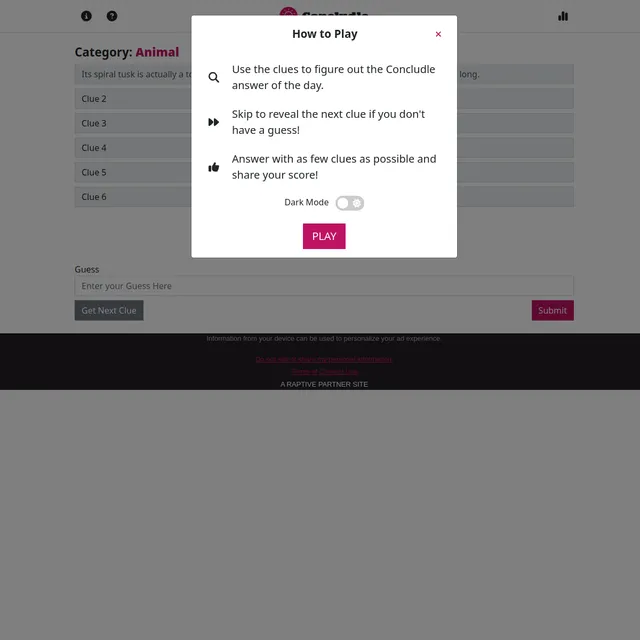
Concludle
Name the day's answer from as few clues as possible
Clue Funnel
Six clues, each plainer than the last
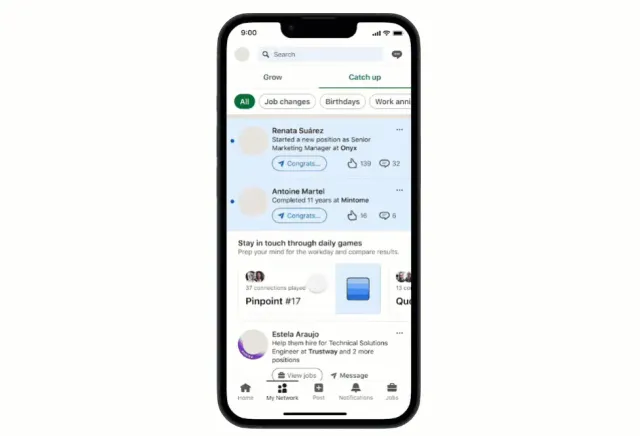
Pinpoint
Clues revealed one at a time toward a hidden answer
Wordle
A short daily English word puzzle
14 Kelime
Fourteen Turkish clues, four minutes, one set a day.
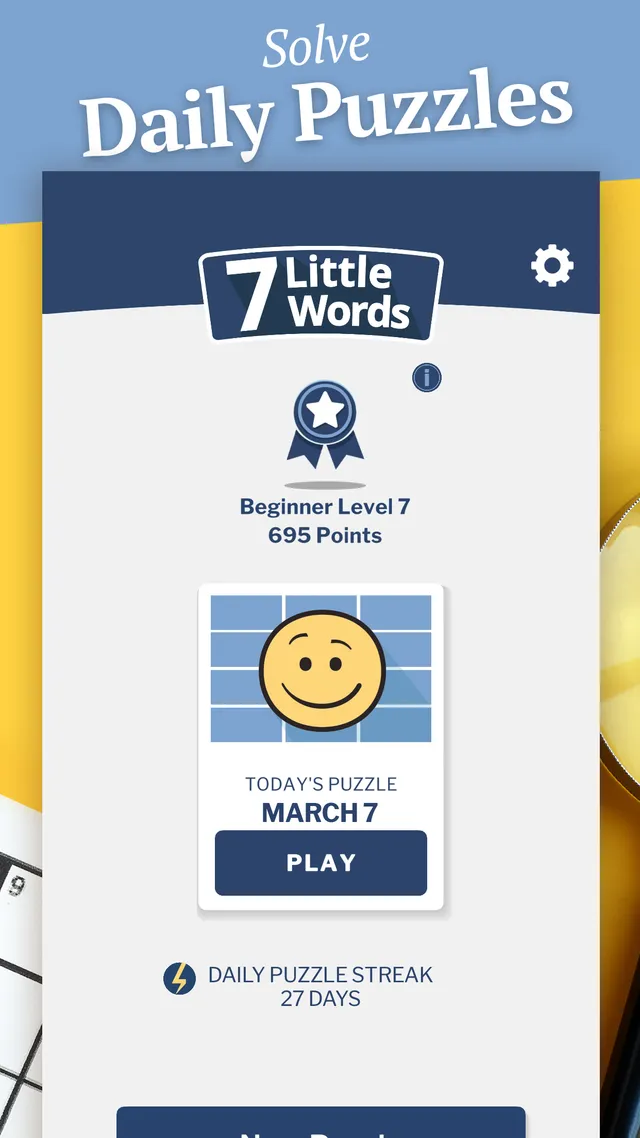
7 Little Words
Seven clues, seven answers, built from 20 tiles of letter groups.
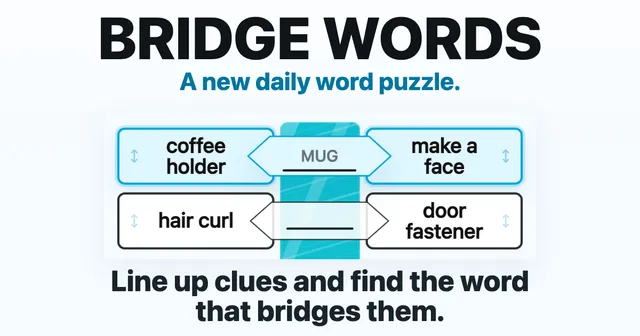
Bridge Words
Pair up clues, find the word that bridges each pair, and reveal the keystone.
Broken Words
Rebuild clued answers from letter chunks jumbled into one shared pool.