Futoshiki (Süddeutsche Zeitung)
The Süddeutsche Zeitung's daily Futoshiki: numbers, rows and greater-than signs.
Every day: One numbered, dated Futoshiki a day on SZ Rätsel, the same grid for every subscriber, with older puzzles in an archive. New puzzle: Once a day; the site does not state the time.
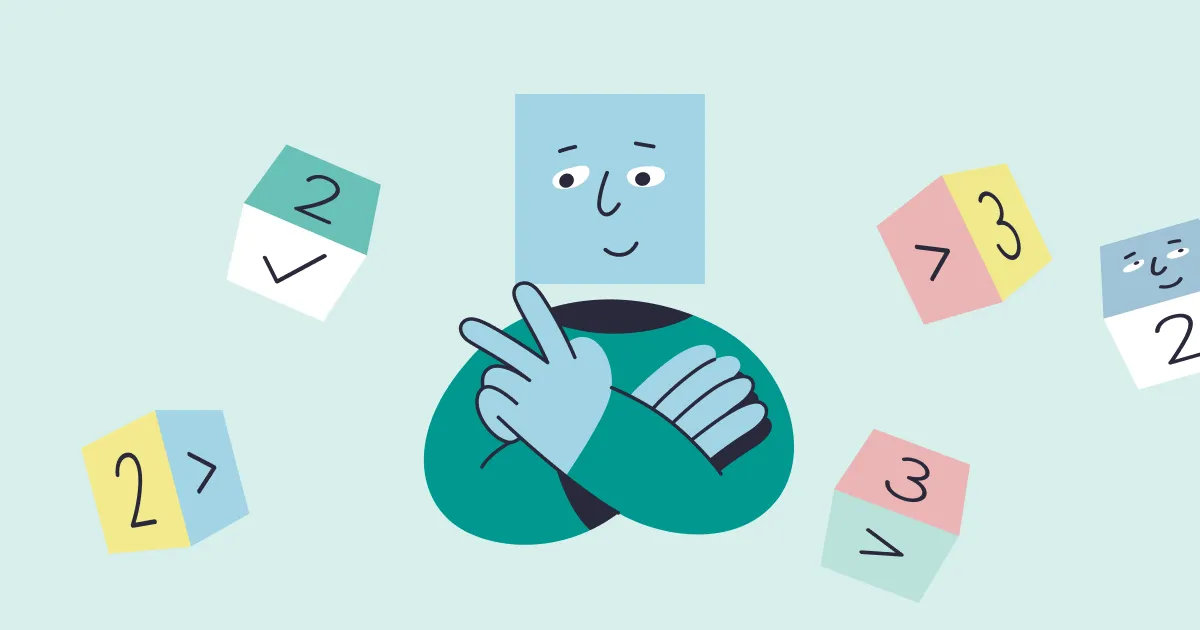
The Süddeutsche Zeitung publishes a numbered Futoshiki every day on its SZ Rätsel pages. You fill a square grid with numbers so each appears once in every row and column, while obeying the greater-than and less-than signs between cells. Playing online is part of an SZ Plus subscription.
About Futoshiki (Süddeutsche Zeitung)
Futoshiki is a Japanese logic puzzle whose name means not equal. The SZ introduces it as a puzzle about as popular in Japan as sudoku, and runs one every day in its Rätsel section next to Str8ts, Kestli, sudoku and the crossword.
Each puzzle has a number and a date: Futoshiki 1295 is the one for 1 October 2026 and 1296 the one for 2 October, so the series has been running for more than three years. Everyone who opens a given number gets the same grid.
The rules are short. Each row and each column must contain every number from 1 up to the grid size exactly once, and wherever a greater-than or less-than sign sits between two cells, the numbers must respect it. A few numbers may be given at the start; the signs do most of the work. The puzzle page needs an SZ Plus subscription; without one it shows a subscription prompt.
It suits sudoku players who want a different kind of deduction, where relations between neighbours matter more than boxes.
How to play Futoshiki (Süddeutsche Zeitung)
- Open Futoshiki on SZ Rätsel and log in with an SZ Plus subscription.
- Fill each row and each column with every number once.
- Respect each greater-than or less-than sign between neighbouring cells.
- Use pencil notes for cells with several possible values.
- Complete the grid; earlier numbered puzzles stay in the archive.
Tips
- A cell that is smaller than a neighbour cannot hold the largest number, and a larger cell cannot hold 1.
- Follow chains of signs: in a < b < c the first cell is at most the grid size minus two.
- Combine sign chains with the row and column rule to narrow candidates.
- Start where several signs meet; those cells have the fewest options.
Questions
Do I need a subscription?
Yes. The SZ Futoshiki needs an SZ Plus subscription.
How often is there a new one?
Every day, each with its own number and date.
What does Futoshiki mean?
Not equal, after the inequality signs between the cells.
Games like Futoshiki (Süddeutsche Zeitung)
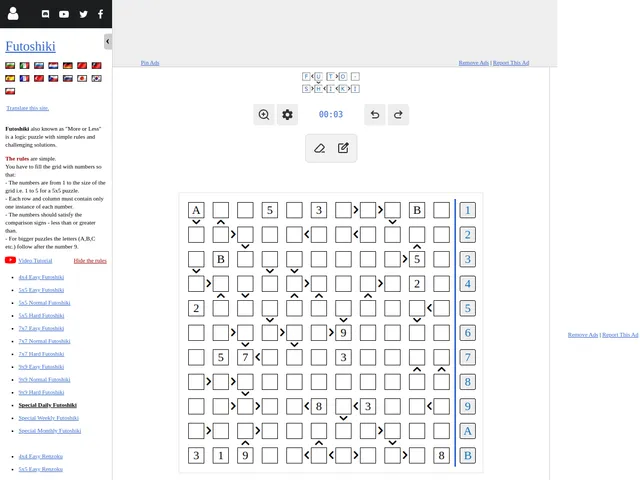
Daily Futoshiki
Another daily Futoshiki
Str8ts (Süddeutsche Zeitung)
The SZ's daily number logic puzzle

Kestli (Süddeutsche Zeitung)
Another daily SZ logic puzzle

The Times KenKen
A daily number grid with arithmetic clues
NYT Sudoku
Daily sudoku at three levels
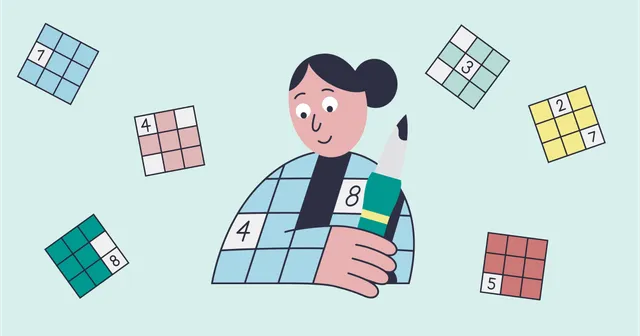
Sudoku (Süddeutsche Zeitung)
The Süddeutsche Zeitung's free daily sudoku in three levels.

Logic Equations (Puzzleship)
Give each letter its own number so every equation and inequality holds.
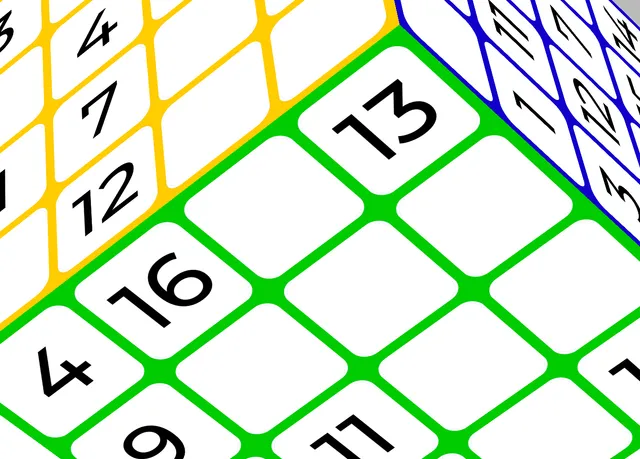
3Doku
A sudoku wrapped around a cube, using the numbers 1 to 16.