Provenance
Rate itSee a stolen artwork and name the country it was taken from, in five guesses.
on provenance.avibagla.com
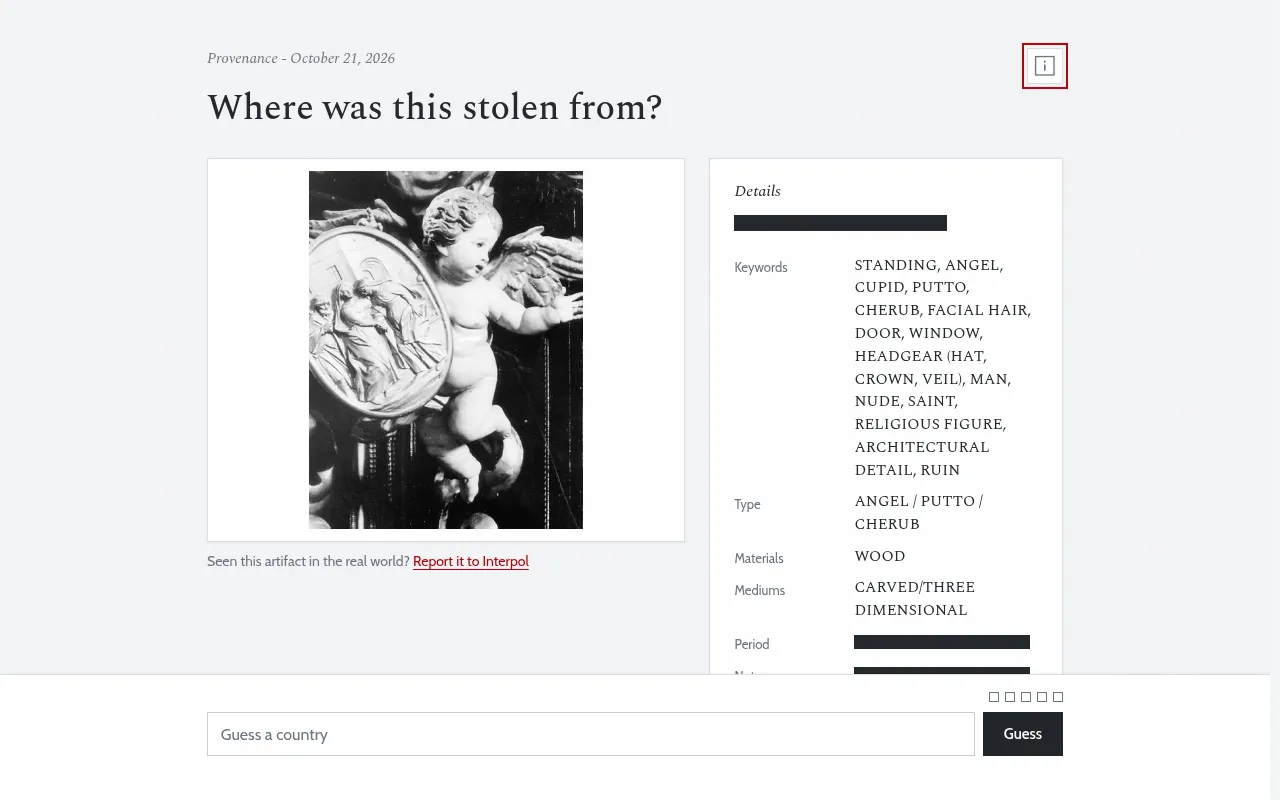
Provenance shows you an artwork or artifact from Interpol's database of stolen works and asks which country it was stolen from. You have five guesses; each miss reveals more about the piece and tells you whether you are hot or cold and which way to look. A Play another mode gives more pieces after the daily.
About Provenance
Provenance is a daily guessing game made by Avi Bagla, built on Interpol's public database of stolen works of art, which the site says holds more than 57,000 items: paintings, sculptures, religious objects and archaeological finds.
Each day you see one piece, starting with its picture and a few details. Keywords, the type of object, its materials and how it was made are shown from the start. You type a country, and if you are wrong the game rates your guess Hot, Warm, Cool or Cold, points an arrow toward the answer and uncovers another detail, such as the period the piece comes from. You have five guesses in all.
The answer is the country the piece was reported stolen from, which is not always where it was made, and the game points this out in its rules. Results can be shared as a grid, and stats track games played, wins and your streak. Play another lets you keep going with more pieces after the daily.
The site also links to Interpol's ID-Art app, so players who recognise a piece can report it. It suits players of Worldle and Globle who want an object instead of a map outline, and fans of museum games like Anthropeum.
How to play Provenance
- Open provenance.avibagla.com; today's piece loads by itself.
- Look at the picture and the details shown: keywords, type, materials and medium.
- Type the country you think it was stolen from and press Guess.
- Read the Hot, Warm, Cool or Cold rating and the arrow, and the newly revealed detail, then guess again.
- Find the country within five guesses, then share your result or press Play another.
Screenshots
Tips
- Religious objects and icons narrow the region quickly: Orthodox icons, Catholic saints and Buddhist figures point to different parts of the world.
- The answer is where it was stolen, not where it was made, so a European painting can belong to a country in South America.
- Use the arrow and the Hot to Cold rating after each miss as in Worldle: guess between your misses to close in.
Questions
How many guesses do I get?
Five.
Where do the artworks come from?
From Interpol's database of stolen works of art. The site says it has no association with Interpol.
Is the answer where the piece was made?
No, it is the country it was reported stolen from, which can differ from its origin.
Can I play more than once a day?
Yes, Play another gives a random piece outside the daily. Only the daily counts toward your streak.
Do I need an account?
No. The game plays straight away in the browser and keeps your stats on your device.
Ratings and reviews
No ratings yet. Be the first to rate Provenance.
Games like Provenance
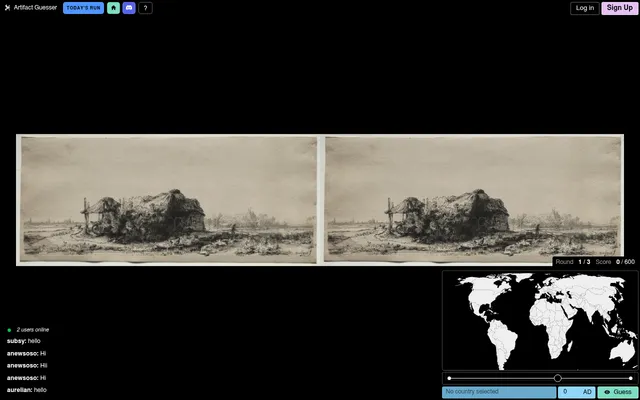
Artifact Guesser
Also built on real museum objects: place each day's artifacts on the map and in time
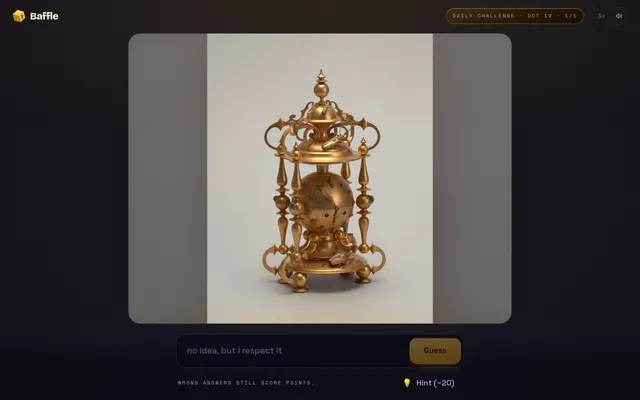
Baffle
A daily photo of an unlabelled museum object to identify, scored for how close you get
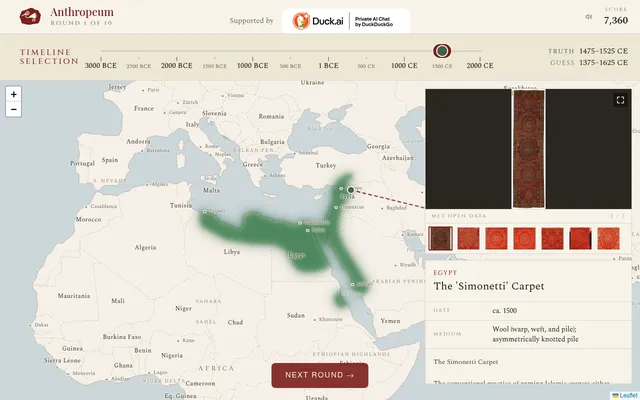
Anthropeum
Ten museum artifacts a day, compared with everyone who played that day

Worldle
The same guess-the-country loop with distance and direction, from a country's silhouette with six guesses
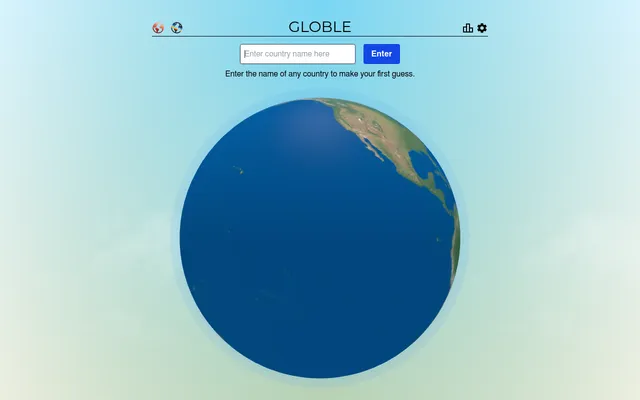
Globle
Find the mystery country with hot and cold colours on a globe, as Provenance's ratings guide you
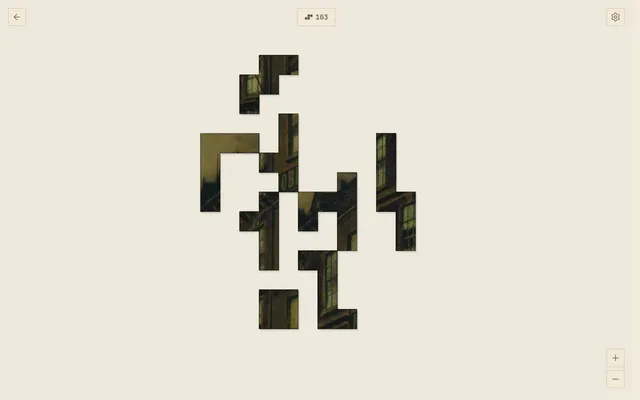
Art Keeper
A daily artwork to rebuild piece by piece, then read its story
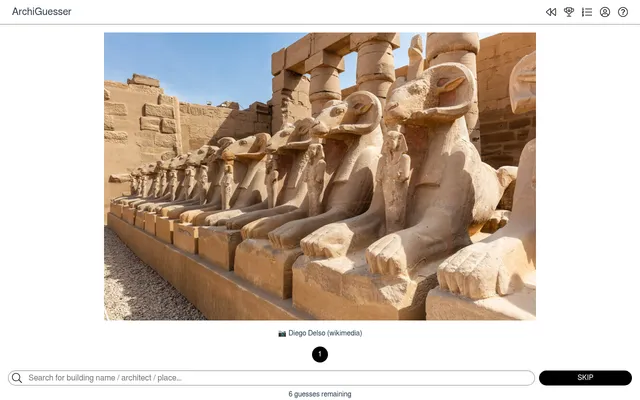
ArchiGuesser
Name an architectural project from up to six pictures, one more after each miss
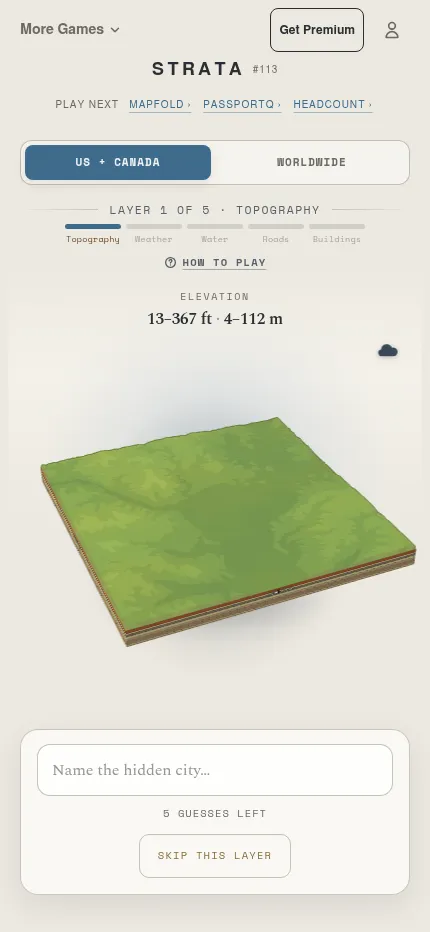
Strata (FlightQ)
Name the city as its 3D map is rebuilt one layer at a time.