Etymon
Rate itSix clues about a word's history; how many do you need to name it?
on etymonpuzzle.com
Etymon is a daily etymology puzzle published on Substack and by email. Each numbered edition hides one English word behind six clues about its history: when it entered English, where it came from, what it once meant and which words share its root. You try to name it with as few clues as you can.
About Etymon
Etymon is a daily word-history puzzle that runs as a Substack newsletter. It started in late May 2026 and has posted a numbered puzzle every day since; #150 came out on 21 October 2026. The same puzzle goes to every reader, by email and on the Etymon site.
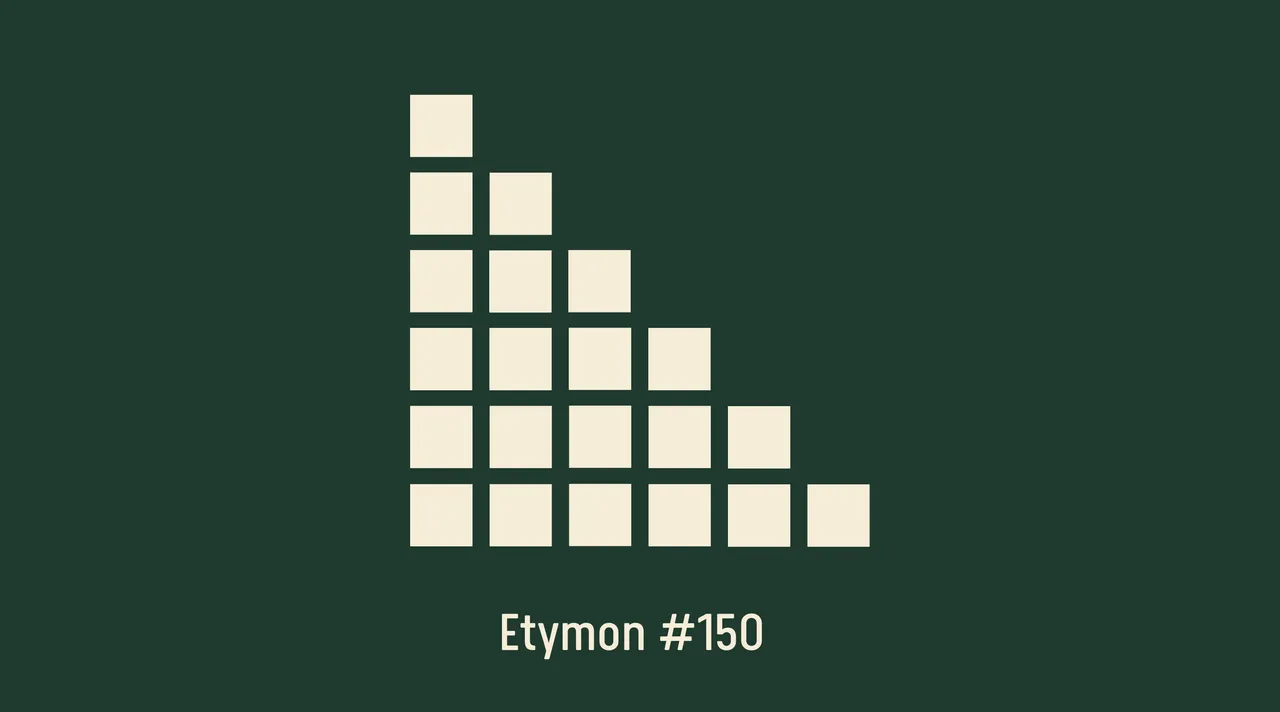
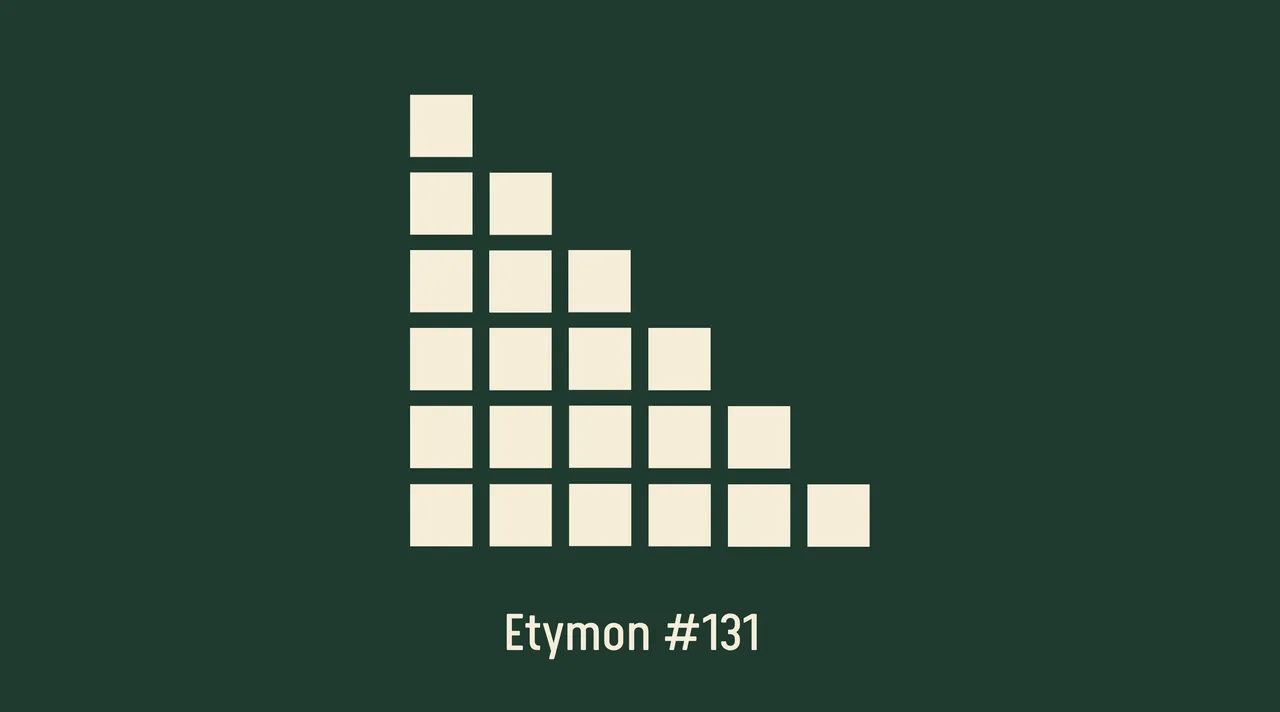
Each puzzle is six numbered clues running down the page. The first gives the era and the language a word came from, often with the text it was first recorded in. Later clues follow its path through French, Latin or Greek, its literal meaning, related English words built on the same root, a historical use, and last of all the number of letters. Below each clue sits a Solved in N banner, a staircase of tiles, so you know where you stopped. The answer is on an upside-down Answer Card at the bottom, with the full etymology and a note on how the word is used today.
The hidden words come from twenty-three source languages, from Old English and Old Norse to Arabic, Sanskrit and Yiddish, and each puzzle is tagged by language and by one of seventeen themes such as law, medicine, navigation or myth, so the archive can be browsed that way. Readers share their Solved in N banner on Substack Notes without giving the word away.
Weekday puzzles are free but the last clues and the answer need a free email subscription; weekend puzzles and the archive are for paid subscribers. There are no ads. It suits word lovers and crossword solvers who like to think through a clue rather than race a clock.
How to play Etymon
- Open today's Etymon post on the site or in your email.
- Read clue 1, about when and from which language the word entered English, and try to name the word.
- If you cannot, read the next clue; each of the six narrows the field, and the last gives the letter count.
- Note the Solved in N banner under the clue where you got it.
- Turn to the upside-down Answer Card at the bottom to check the word and read its full history.
- Share your Solved in N banner on Substack Notes if you like.
Screenshots
Tips
- Note the language of origin early; native Old English words and Latin borrowings look very different.
- Related words in later clues often share a root you can recognise.
- The final clue gives the letter count, so keep a short list of candidates ready.
- Read slowly: dates and changes of meaning are strong hints.
Questions
Is the puzzle the same for everyone?
Yes. One numbered puzzle a day is posted on the site and sent to every subscriber.
Is Etymon free?
Monday to Friday puzzles are free, but the last clues and the answer show only after a free email subscription. Weekend puzzles and the archive are for paid subscribers.
When does a new Etymon come out?
Once a day, usually between 11:00 and 12:00 UTC.
Does Etymon have ads?
No. The posts carry no ad scripts or ad slots; Substack only asks you to subscribe.
Ratings and reviews
Games like Etymon
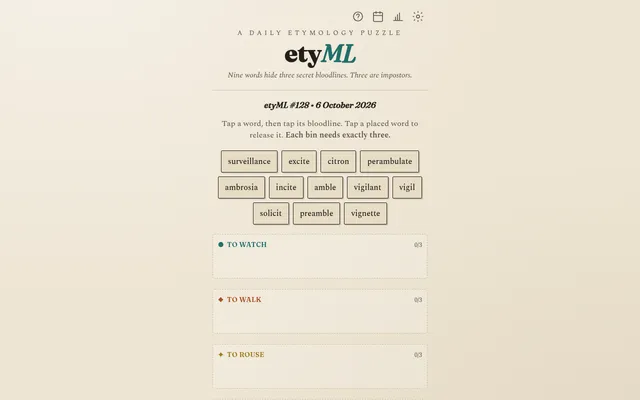
etyML
Another daily about word roots: sort twelve words into three families that share a root and spot the impostors
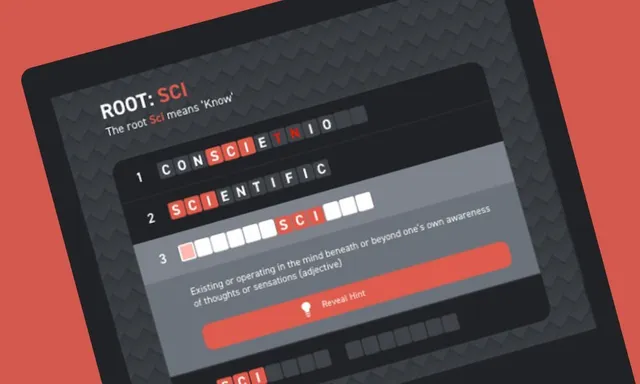
Rootonym
A daily Latin or Greek root and the English words built on it, each completed from its definition
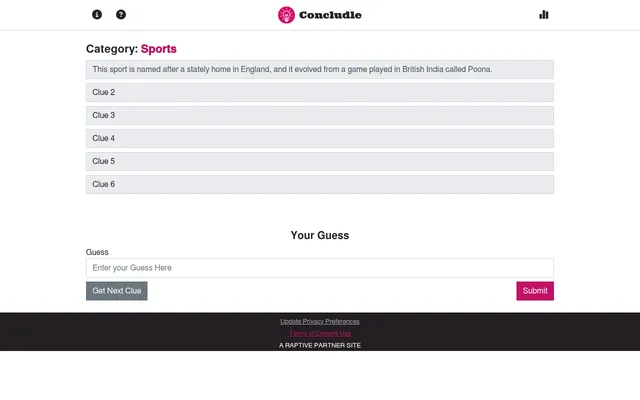
Concludle
Name the day's answer from as few of its up to six trivia clues as you can
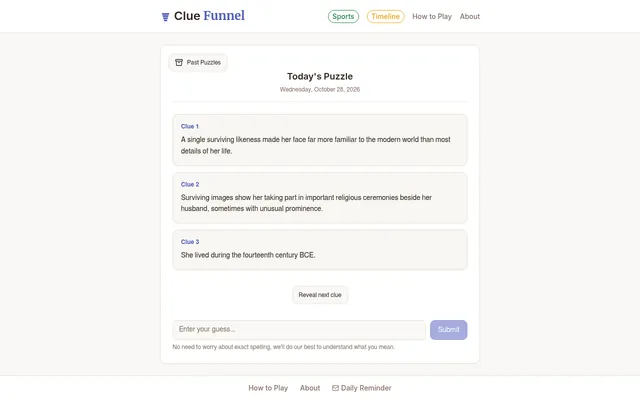
Clue Funnel
Six clues a day, from vague to plain, toward one mystery subject
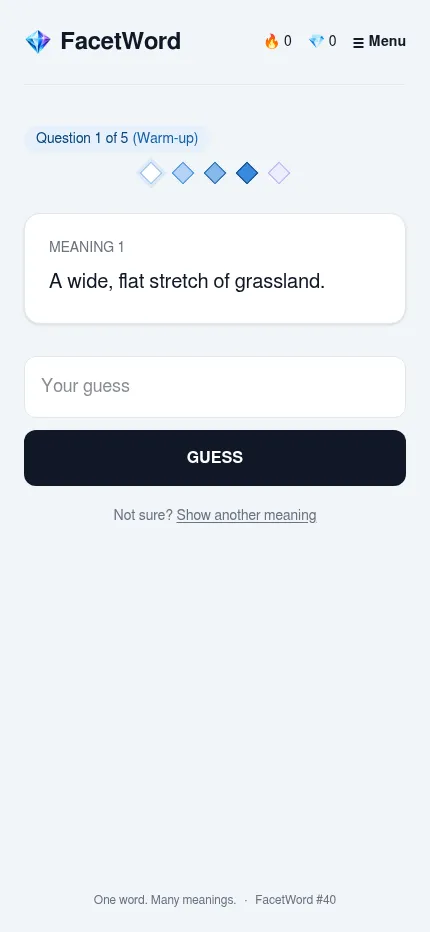
FacetWord
Guess words from as few of their meanings as you can, five puzzles a day
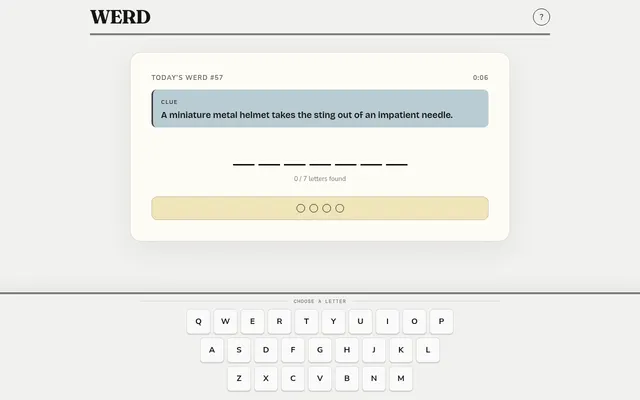
WERD
One unusual English word a day, found letter by letter from a single clue
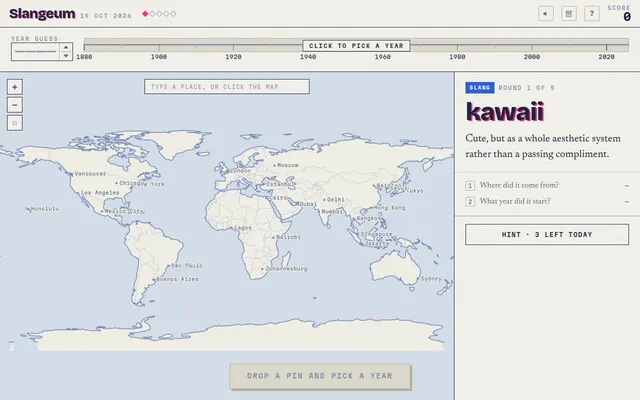
Slangeum
Word history from the other end: guess where and when five slang words and memes were born
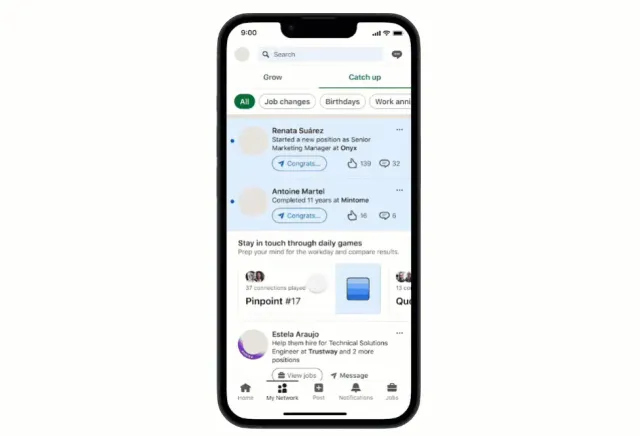
Pinpoint
Clues revealed one at a time until you name the hidden link