The Times Lexica
Rate itSlide scattered letters back into a small crossword grid, easy and hard, every day.
on thetimes.com
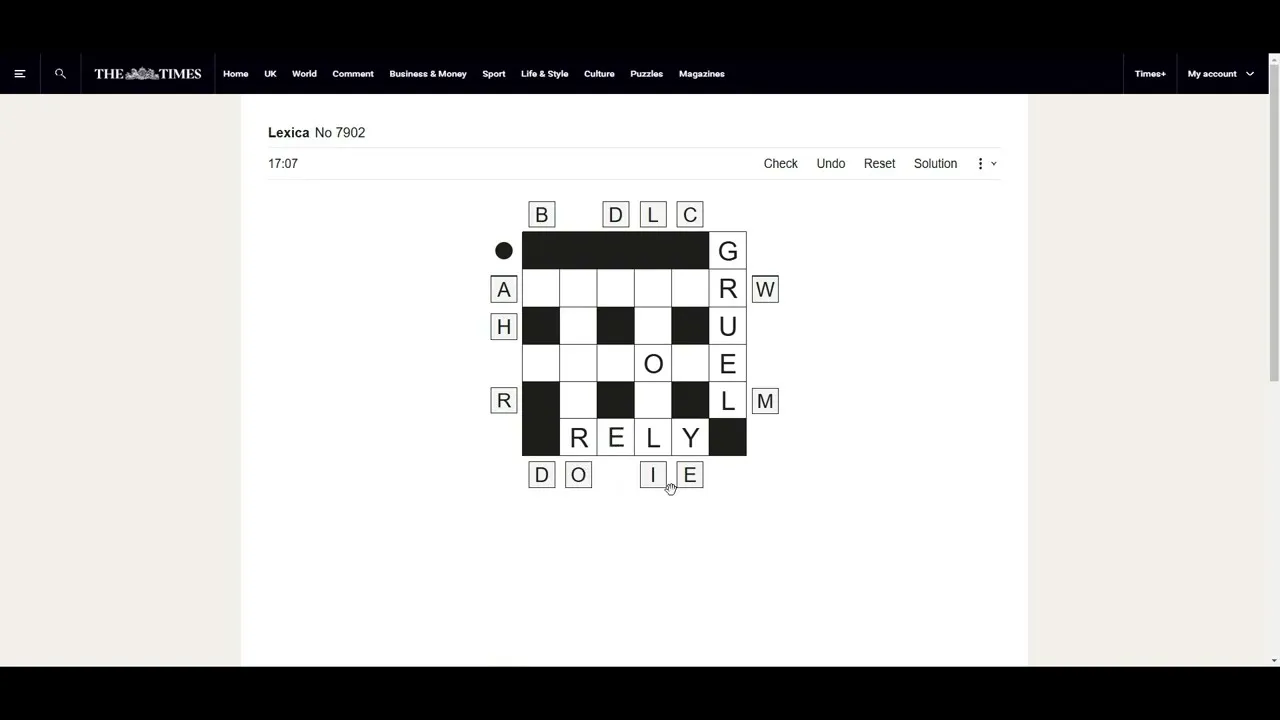
Lexica is The Times' daily word-slide puzzle: the letters of a small crossword have been pushed out of the grid, and you slide them back along their rows and columns until every word reads correctly. Two numbered puzzles appear each day, one Easy and one Hard. It needs a Times subscription.
About The Times Lexica
Lexica was invented by the puzzle setter Laurence May, who describes it as an "exploded crossword". The Times agreed in 2010 to publish it daily, and the numbering has run past 9,000 since, with two puzzles a day.
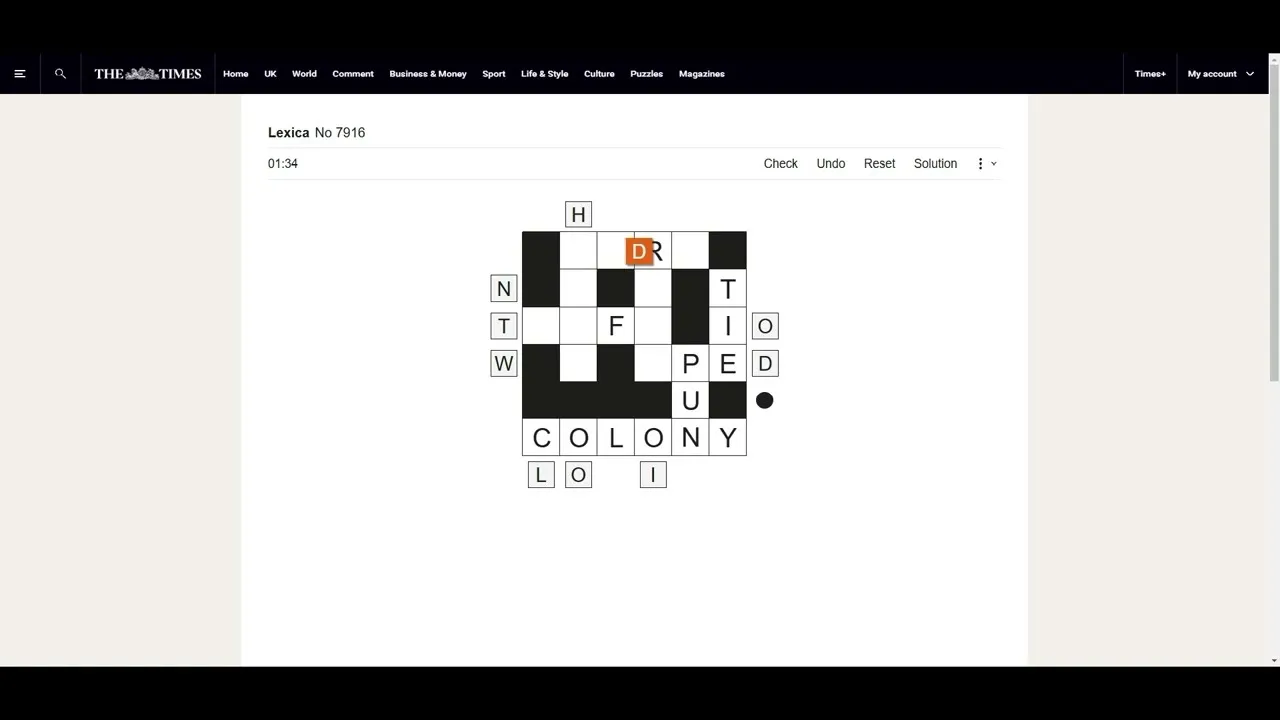
Each puzzle starts as a finished mini crossword whose letters have been moved out to the edges. A letter can slide only up and down its own column or along its own row, never diagonally and never into another line. Your job is to slide each letter back into place so that the grid becomes a valid crossword again, with real words across and down. All the letters you need are in front of you from the start; the puzzle is in working out which slot each one belongs to.
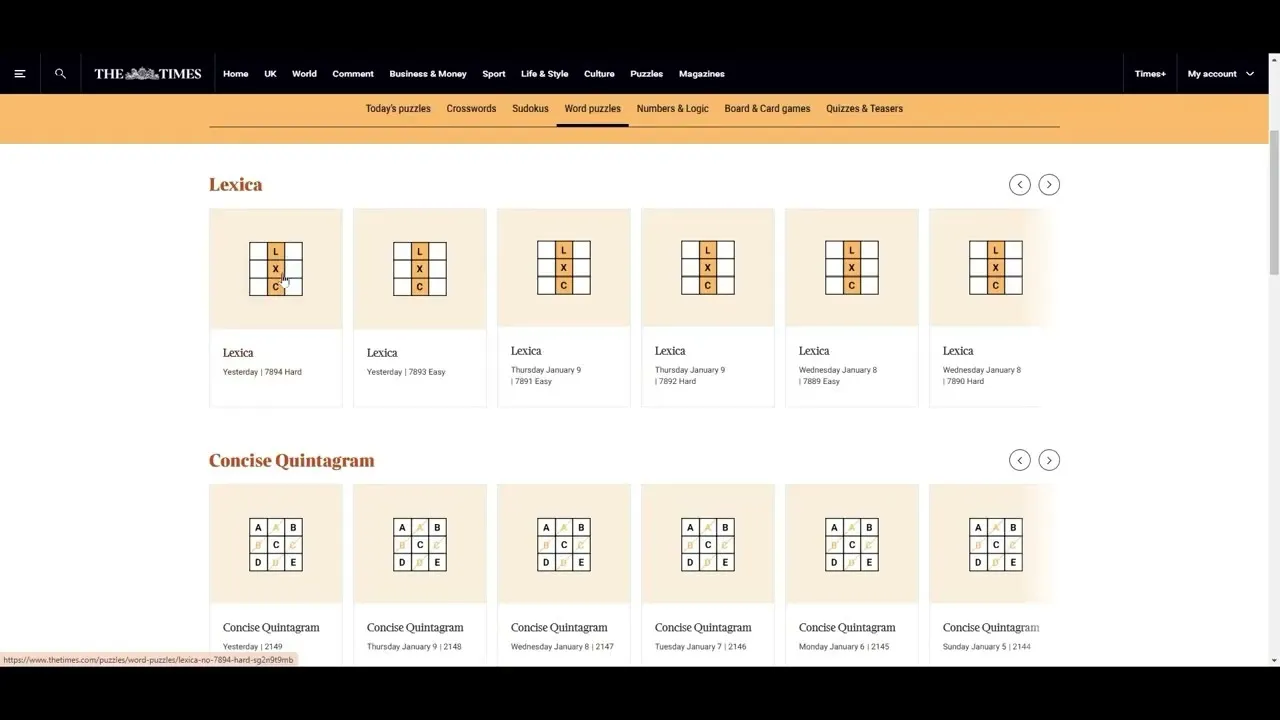
The Times publishes an Easy and a Hard Lexica every day on its puzzles site and app, and recent days stay in the list by date. Solving on screen is forgiving, since you can try a letter in a square and move it out again.
Lexica mixes word knowledge with the elimination logic of a grid puzzle, so it suits players who like both Scrabble-style words and Sudoku-style deduction. Access needs a Times subscription.
How to play The Times Lexica
- Open the day's Lexica, Easy or Hard, on The Times puzzles page or app.
- Look at the 6x6 grid, its black squares and the letters waiting around its edges.
- Slide a letter along its row or down its column into a square; it cannot leave its own line.
- Use the black squares and the word lengths to work out which letters belong where.
- Keep sliding until every across and down entry is a real word.
- Try the Hard puzzle once the Easy one is done.
Screenshots
Tips
- Start with short gaps of one or two squares; few letters can reach them.
- Vowels are scarce, so decide early where each one must go.
- Check both directions before you commit a letter: it has to fit the across word and the down word.
- Common word endings such as -ED, -ER and -S often sit at the grid's edges.
Questions
Do I need a subscription to play The Times Lexica?
Yes. The Times puts its puzzles behind a subscription, either a Puzzles subscription or full digital access.
How do the letters move?
Each letter slides only along its own row or column, never diagonally or across into another line.
How many Lexica puzzles are there each day?
Two: one Easy and one Hard, each with its own number.
Who invented Lexica?
Laurence May. The Times began publishing it daily in 2010.
Can I play past Lexica puzzles?
Yes. The Times keeps a two-week archive of its puzzles on the website and in the Times Puzzles app, so recent Easy and Hard Lexicas stay playable.
Ratings and reviews
Games like The Times Lexica
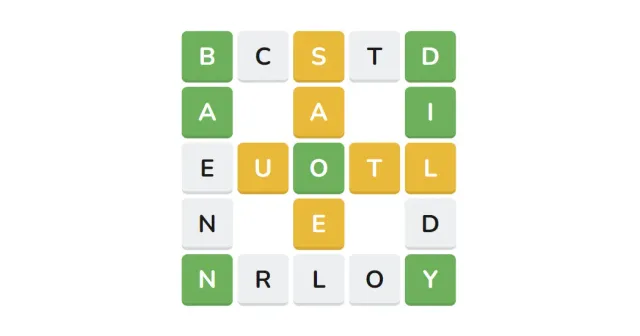
Waffle
Swap scrambled letters back into six crossing five-letter words in fifteen moves or fewer: the same idea of…
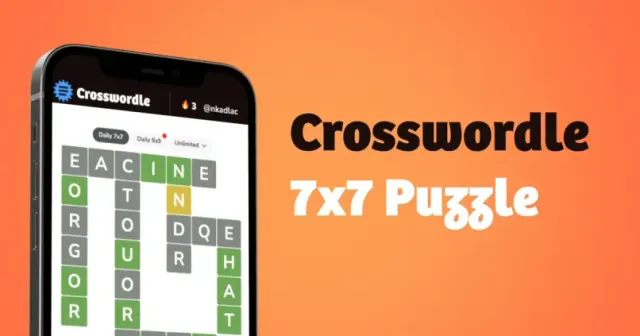
Crosswordle
Swap scrambled letters around a small 7x7 or 9x9 crossword within a set number of moves until every word is…
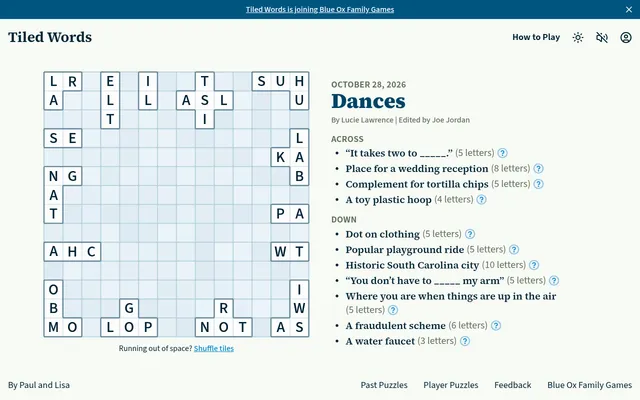
Tiled Words
Slide and rotate scattered letter tiles to rebuild a small themed crossword, with clues to help
Knotwords
A clueless crossword where each section tells you which letters it holds, two puzzles a day
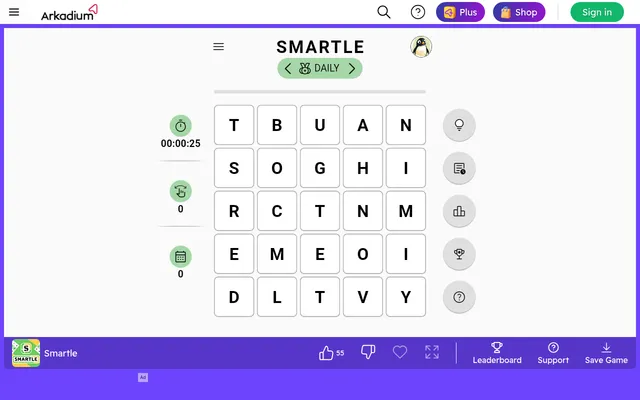
Smartle
Swap 25 letters around a 5x5 board until every row is a five-letter word
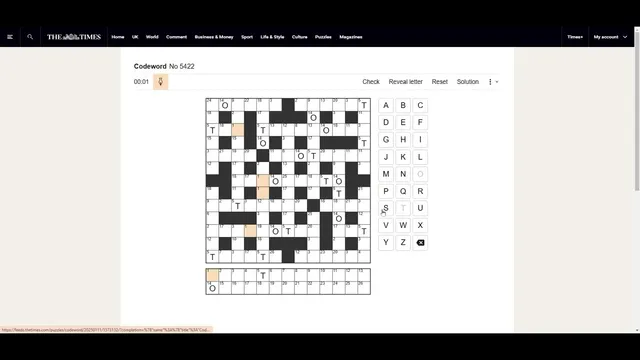
The Times Codeword
The Times' daily clueless grid on the same puzzles page: crack the number-for-letter code
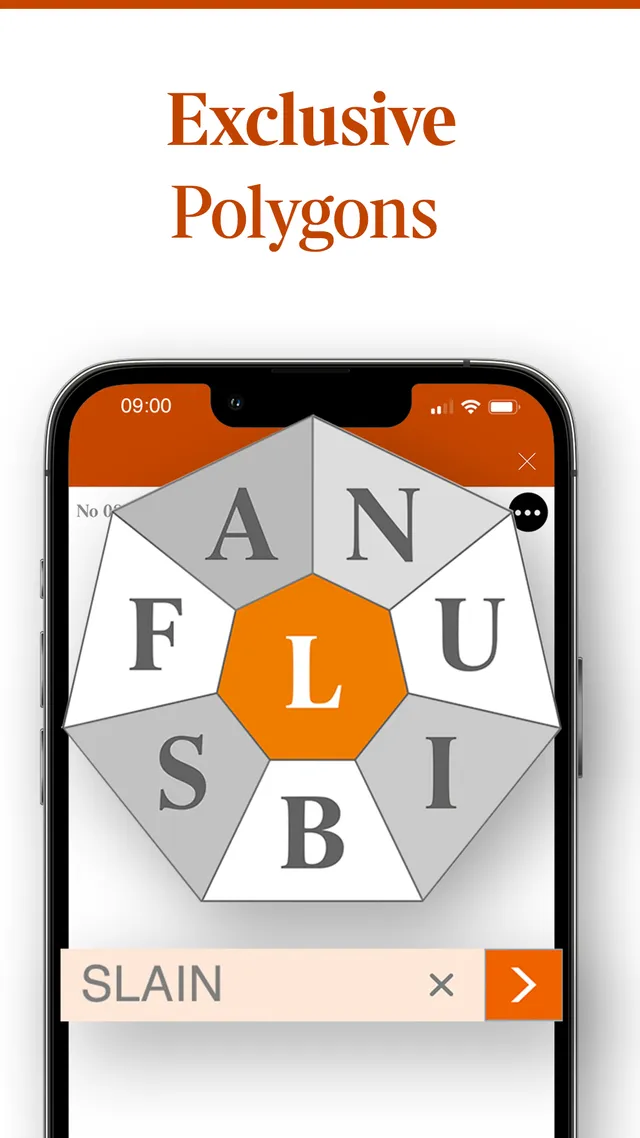
The Times Polygon
The Times' daily word wheel: make words from a ring of letters, always using the centre one
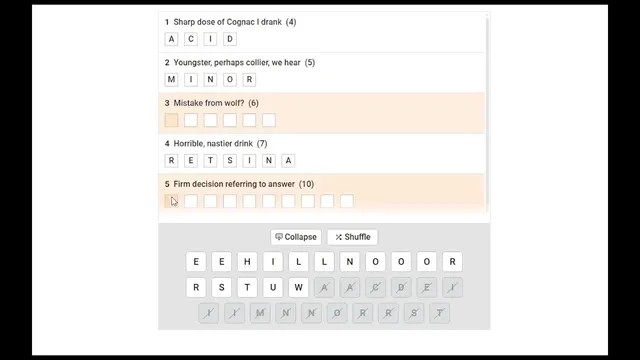
The Times Quintagram
Five clues, no grid, and one pool of letters to share between the answers.