Slangeum
Rate itGuess where and when five slang words and memes were born.
on slangeum.com
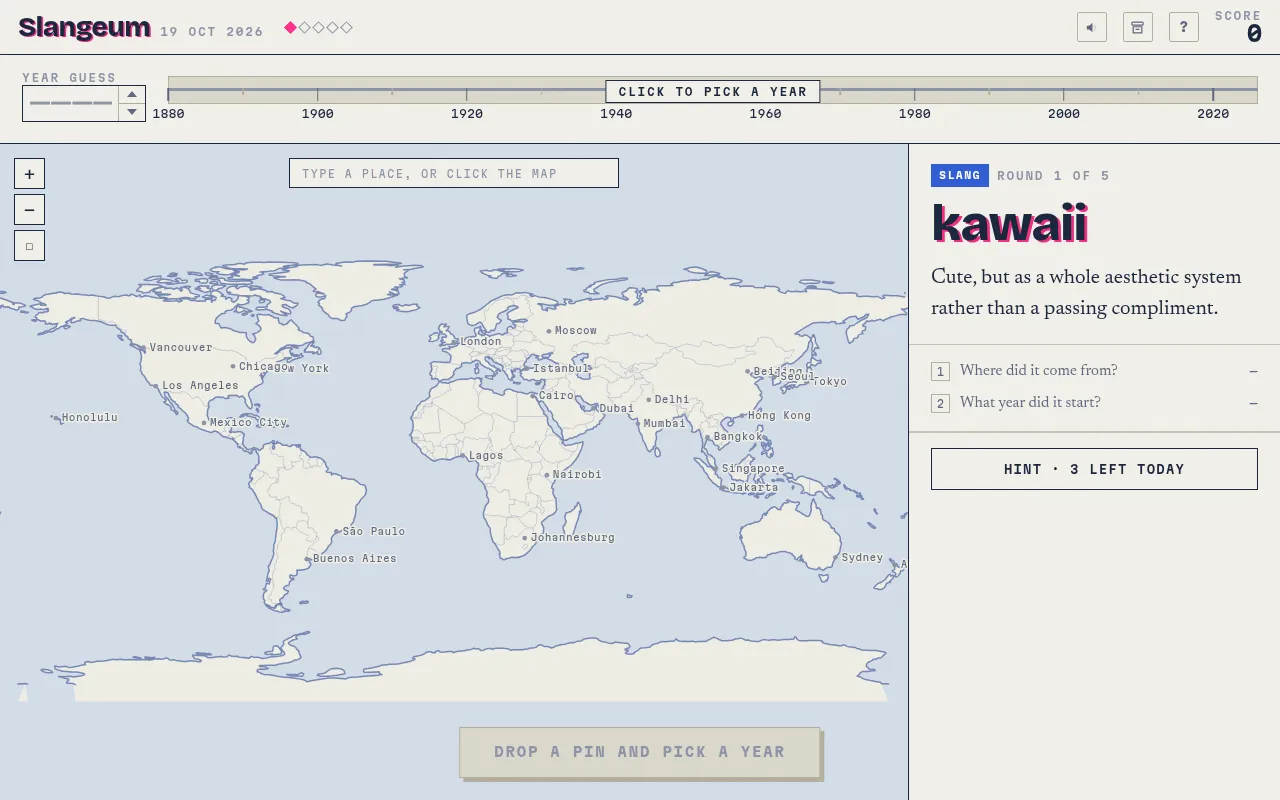
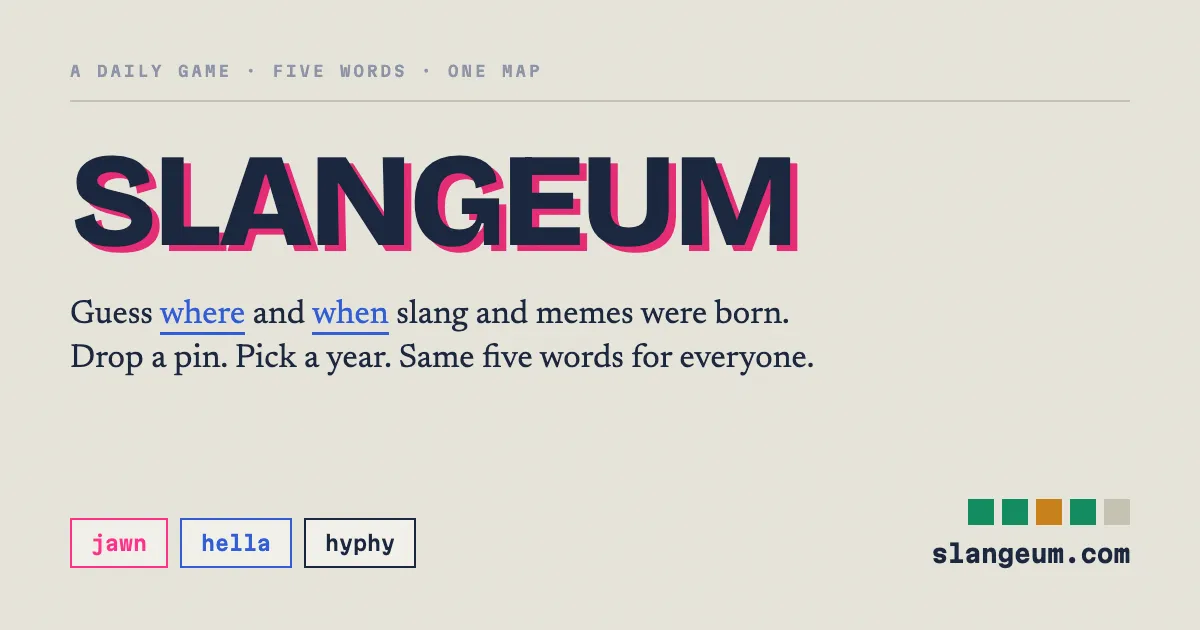
Slangeum gives you five slang words or memes a day with their meaning. For each, you drop a pin where you think it was born and pick a year on a rail, and you score by how close you get on both. After each guess you see the real place, year and a short note on the word's story.
About Slangeum
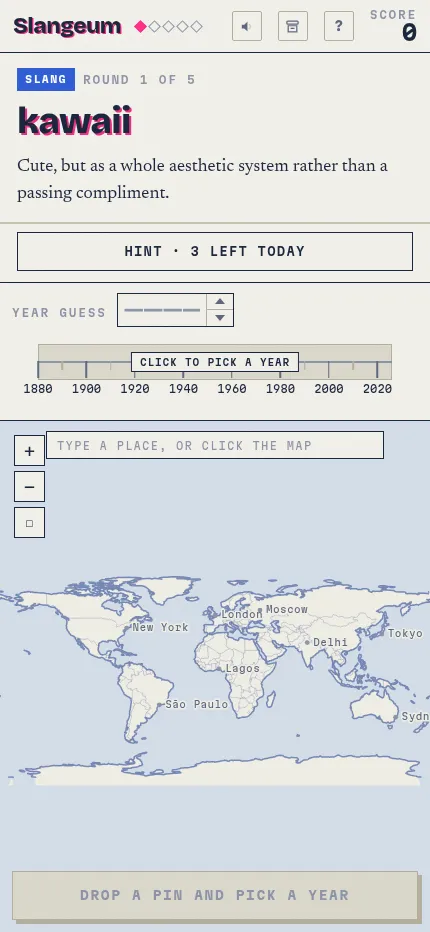
Slangeum is a daily game about where slang and memes were born. Each round shows a word or meme, labelled slang, meme or term, with a short plain definition. Two questions follow: where did it come from, and what year did it start? You type a place or click the world map to drop a pin, then pick a year on a rail that runs from 1880 to the present, and submit.
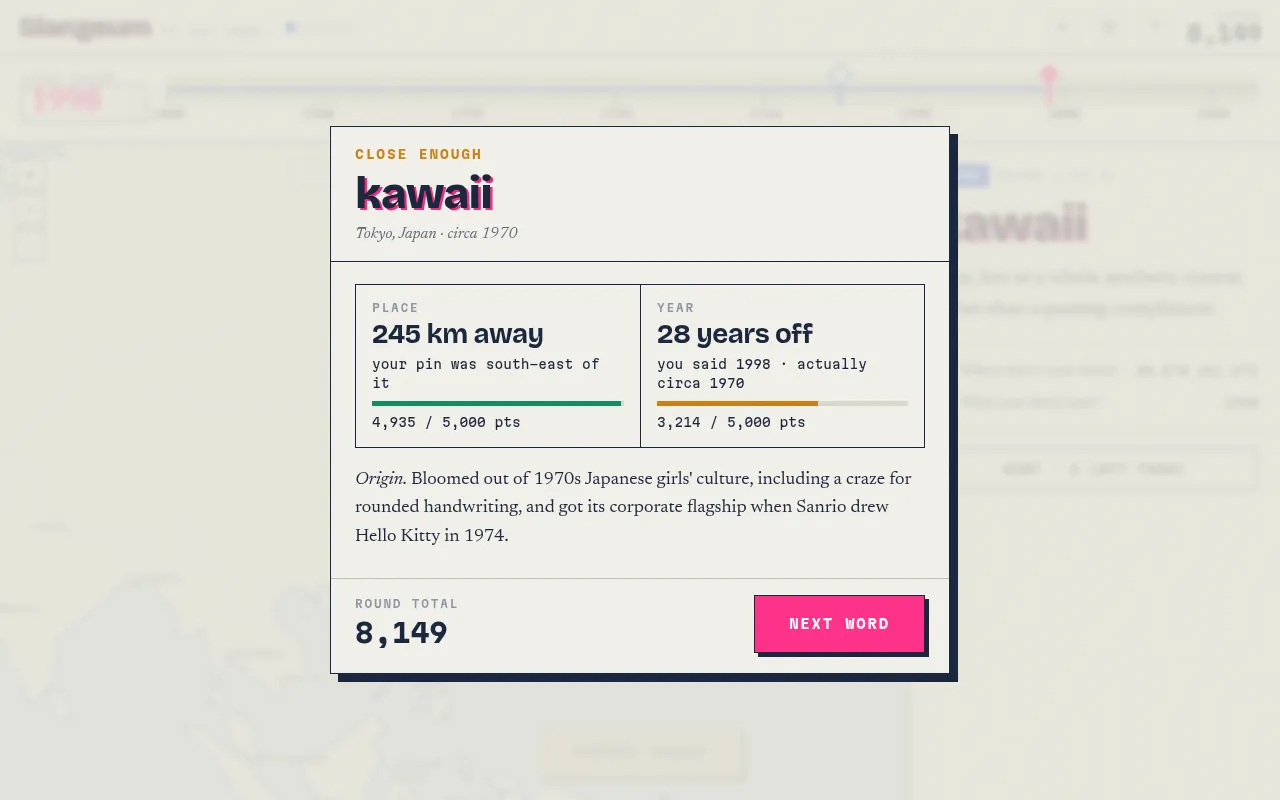
Each round is worth up to 5,000 points for the place and 5,000 for the year, so 50,000 for the day's five. After each guess a card shows how many kilometres and years you were off, the real place and year, and a few lines on the word's story, such as kawaii growing out of 1970s Japanese girls' culture. Three hints a day name the region of a word's origin, at 600 points each on that round. Where a date is disputed, the round is marked circa and scored more generously.
The site is open about its sources: words come from Urban Dictionary and Know Your Meme, with definitions rewritten and every origin checked against published reporting, and it notes that the first recorded use of slang is rarely the first use. It credits Anthropeum, the museum-object game, as its inspiration. An archive keeps past days, your scores and streak stay in your browser, and results can be shared as a row of coloured squares. There are no ads and no sign-up; a Ko-fi link asks for support.
It suits players who like map-and-year guessing games and anyone curious about how words travel between cities, scenes and the internet.
How to play Slangeum
- Open slangeum.com to see the first of the day's five words and its meaning.
- Drop a pin on the map, or type a place into the search bar, where you think the word was born.
- Click or drag along the year rail at the top, or type the year into the box.
- Submit your guess to see how far off you were, your points and the story behind the word.
- Press Next word and play all five rounds, then share your total out of 50,000.
Screenshots
Tips
- Think about which community first used the word: many terms come from specific cities and scenes.
- Internet memes cluster after 2000; older slang often comes from music, the military or regional speech.
- A close pin with a rough year still scores well, so commit to the region you are sure of.
- Save your three daily hints for the words you have never heard: each names the region and costs 600 points on that round.
Questions
How is Slangeum scored?
Each round is worth up to 5,000 points for how close your pin is and 5,000 for how close your year is, so 50,000 for the day.
What time does Slangeum reset?
A new set of five words comes at midnight New York time.
Where do the words come from?
From Urban Dictionary and Know Your Meme, with definitions rewritten and origins checked against published reporting.
What if a word's origin is disputed?
The round is marked circa and scored more generously.
Can I play past days?
Yes, an archive keeps past editions.
Does Slangeum have ads or need an account?
No. It has no ads and no sign-up; your scores and streak are kept in your browser.
Ratings and reviews
No ratings yet. Be the first to rate Slangeum.
Games like Slangeum
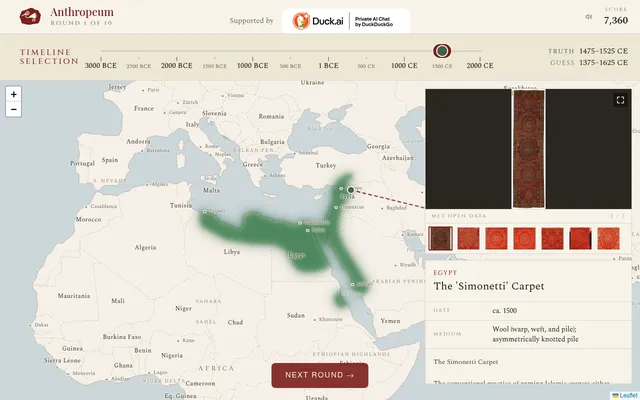
Anthropeum
The game Slangeum credits as its inspiration: the same pin-and-year rounds, with museum objects
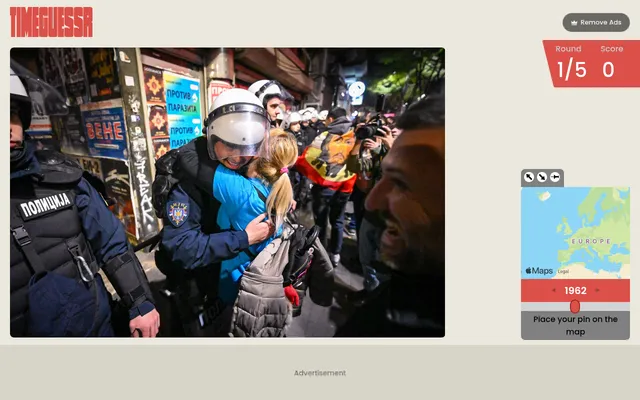
TimeGuessr
The same pin-and-year format, with photos instead of words
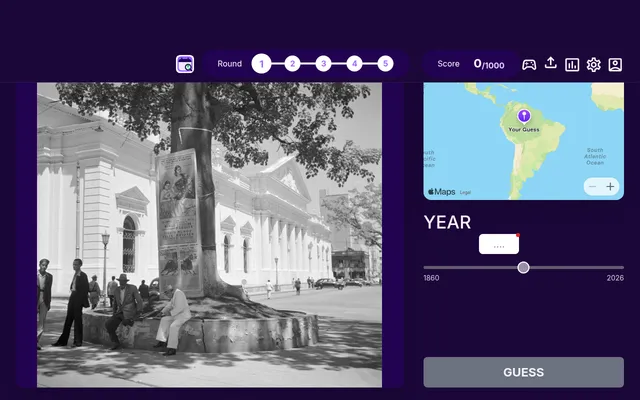
WhenTaken
Five a day, each scored on how close you get to the place and the year
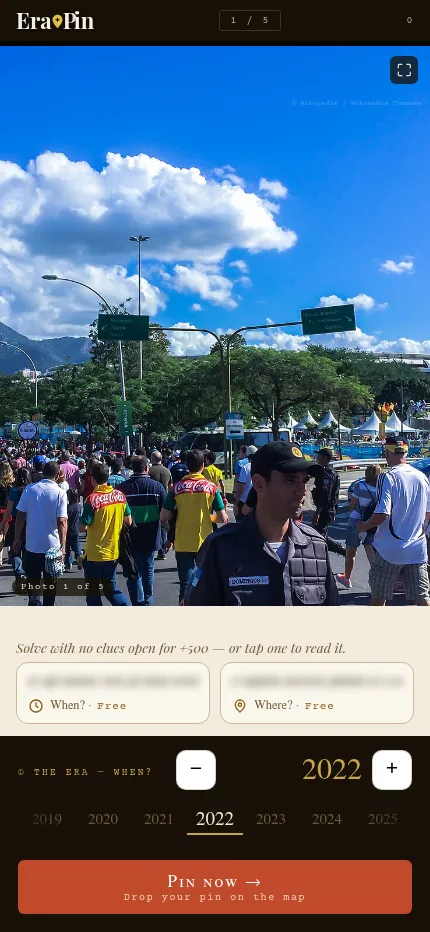
EraPin
Five items a day to pin on the map and place in time
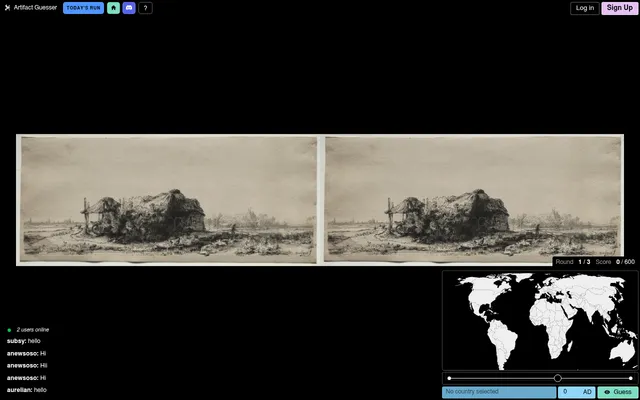
Artifact Guesser
Place real objects on the map and in time, three a day
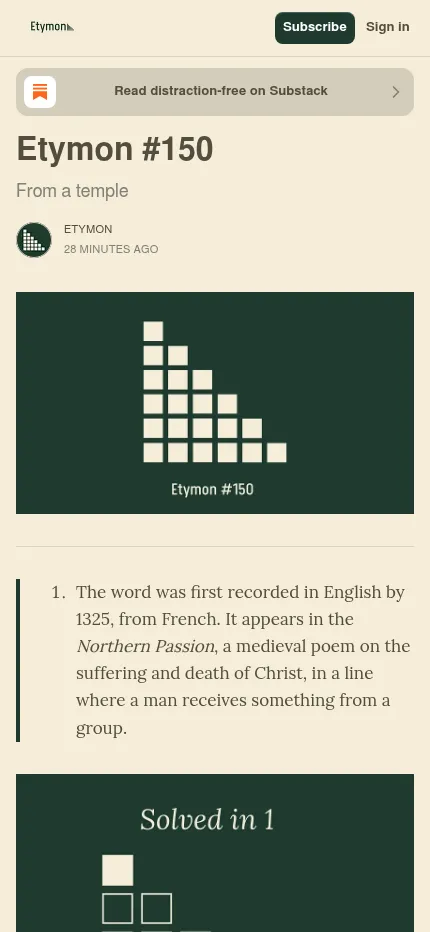
Etymon
A daily game about a word's history
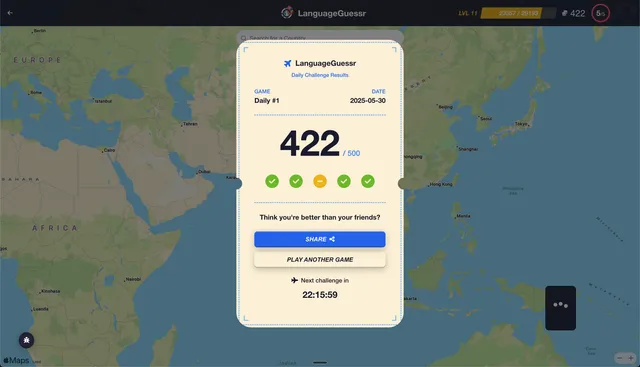
LanguageGuessr
Pin where speech comes from on a world map, another game about where language lives
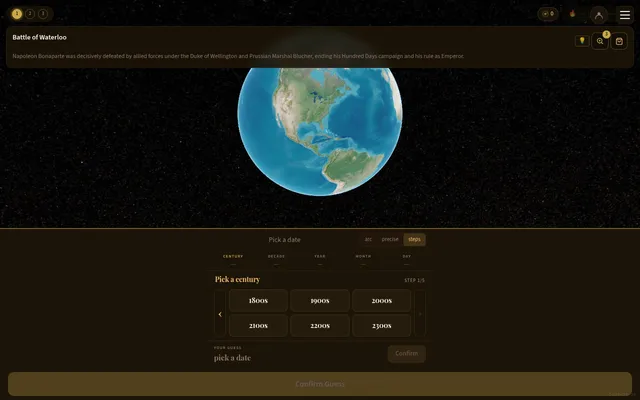
Whenere
Three events a day: pin them on a 3D globe and place them in time.