Noodle
Rate itChange the day's word four times: move, add, remove and replace a letter once each.
on noodlepuzzle.com
Noodle is a daily word puzzle in which you change one word into others step by step. From the day's starting word you make four changes, using each of four adaptations exactly once: move a letter, add one, remove one and replace one. Every step must be a real word you have not used, and undos and hints cost lives.
About Noodle
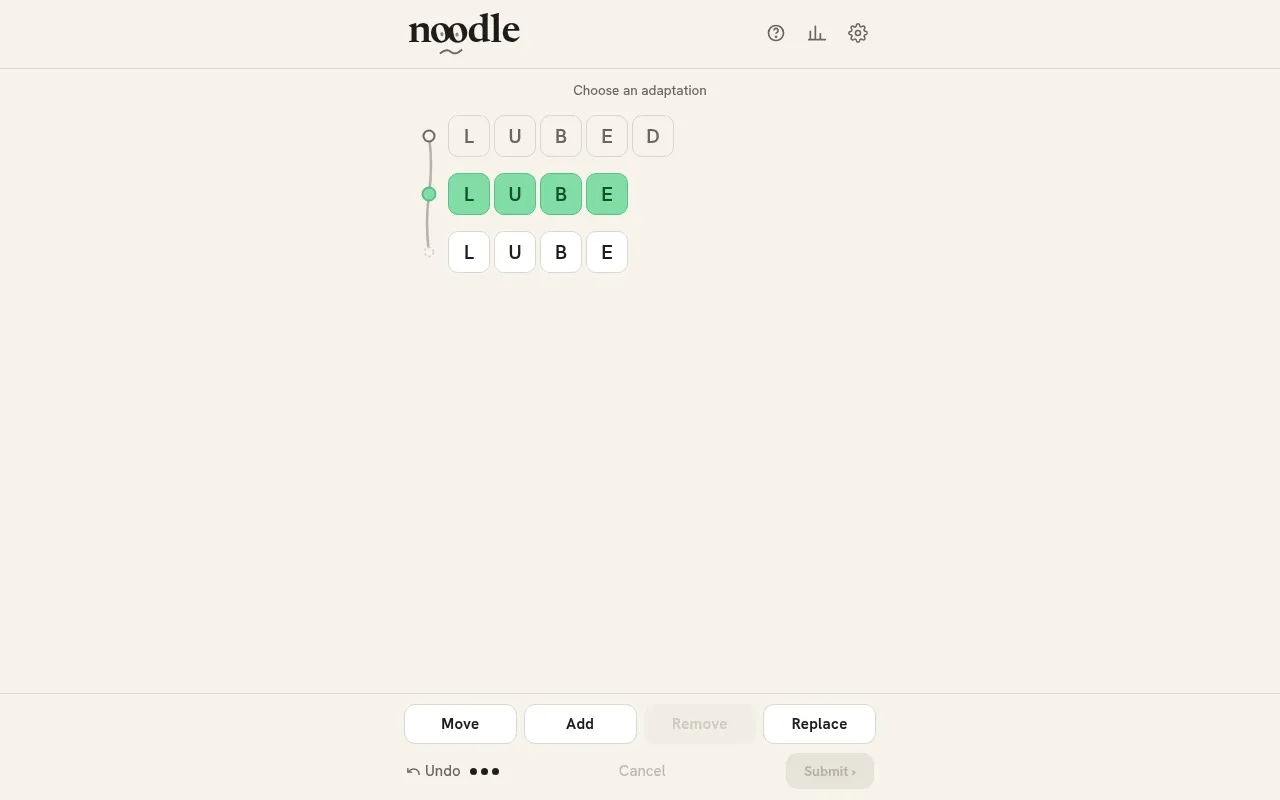
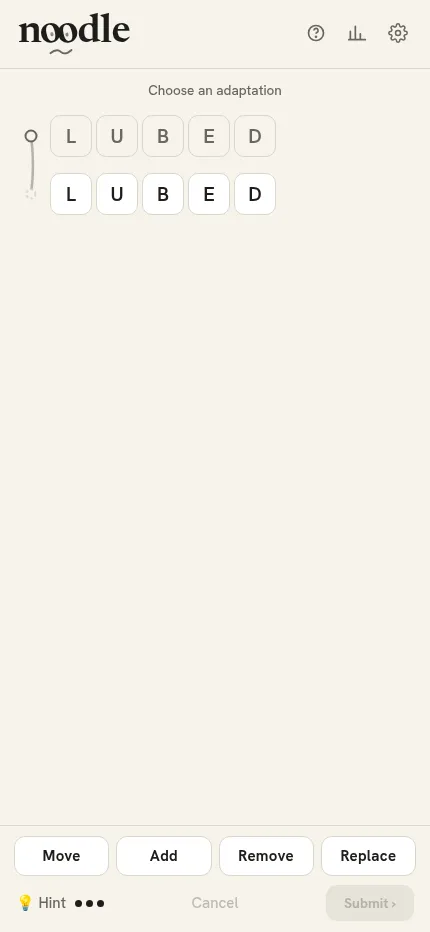
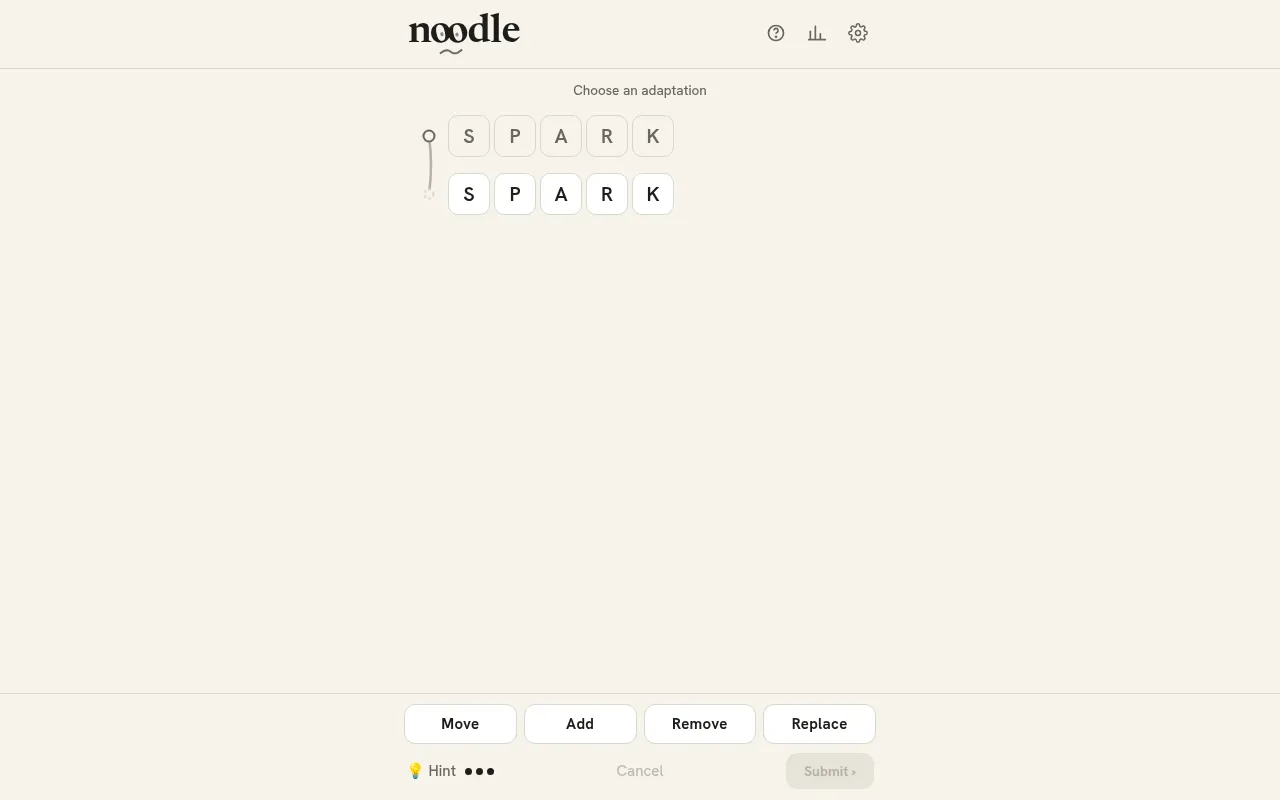
Noodle starts each day from one five-letter word, the same for everyone. On 29 October 2026 it was LUBED, puzzle number 81. You build a path of four new words from it, and the rule is that you must use four different adaptations, once each: MOVE one letter to a new position, ADD one letter anywhere, REMOVE one letter completely and REPLACE one letter with a new one. There is no set target word, so you choose your own path, as long as every step is a real word and none repeats.
The difficulty is in the order. A change that is easy now may leave a word where no letter can be moved or removed to make anything. The tiles turn red at such a dead end, and you need a life to undo your way out. You start with three. A hint, which only works on the first step, costs one too, and running out at a dead end ends the game. The game shows a solution of its own when you finish.
Noodle was made by James Small, a puzzle maker in London. Its start words come from a curated list of over 1,400, each with at least one path that avoids plurals and obscure words. The maker says the puzzles get harder as the week goes on, with fewer paths to choose from. Move is the rarest adaptation in its word database and Replace the most common, so a Move is often the step to plan around.
Settings add a Hard Mode, where each letter can only be changed once per round, and a Fiendish Mode, which unlocks a fifth adaptation to SWITCH two letters. A practice round teaches the rules first. Stats track games played, wins, perfect rounds and streaks, with achievements to unlock and a streak freeze earned along the way. A share button posts your result. It is free, with no account and no ads.
How to play Noodle
- Read the day's starting word.
- Choose an adaptation: Move, Add, Remove or Replace, then make that change to form a new real word.
- Submit the step; each adaptation can be used only once, and no word can repeat.
- Make four steps, one with each adaptation, to complete the puzzle.
- Avoid undos and hints where you can: each costs a life, and a dead end with no lives ends the game.
Screenshots
Tips
- Before each step, check that the new word still leaves room for the adaptations you have left.
- Save Add or Remove for when a word's length is in the way; they are the most flexible.
- Move is often the hardest to use: try it early while the word has common letters.
- Play the practice round first to learn how dead ends happen.
Questions
What are the four adaptations in Noodle?
Move a letter to a new position, add a letter, remove a letter, and replace a letter with a new one. Each must be used once.
Is there a target word?
No. You choose your own path, as long as each step is a real word and none repeats.
How do lives work?
Each undo or hint costs a life. If you run out of lives at a dead end, the game is over.
Are there harder modes?
Yes. Hard Mode allows each letter to be changed only once, and Fiendish Mode adds a fifth adaptation, switching two letters.
Ratings and reviews
No ratings yet. Be the first to rate Noodle.
Games like Noodle
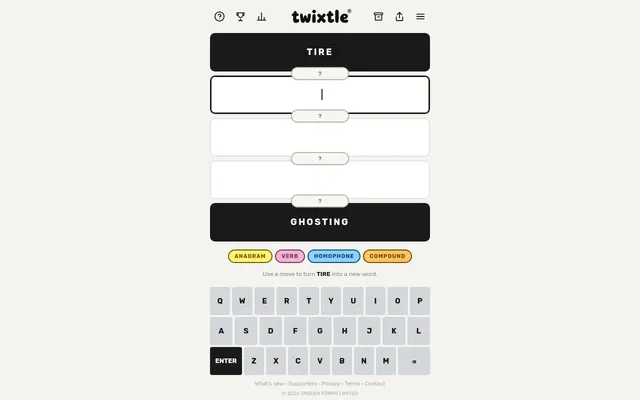
Twixtle
Also four moves, each a different kind of change used once: anagram, verb form, homophone and compound
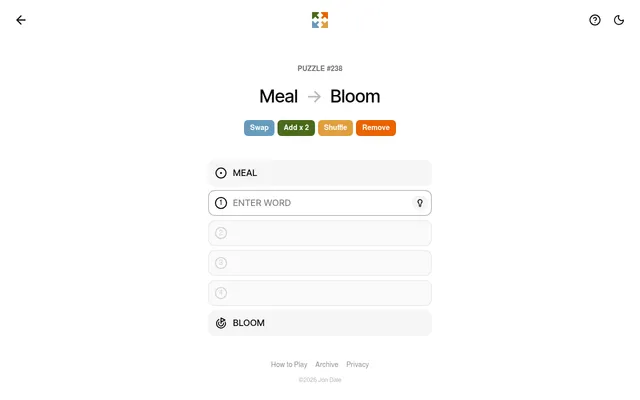
Junctures
A start word and an end word joined by a set list of moves, so you plan which change goes where, much as…
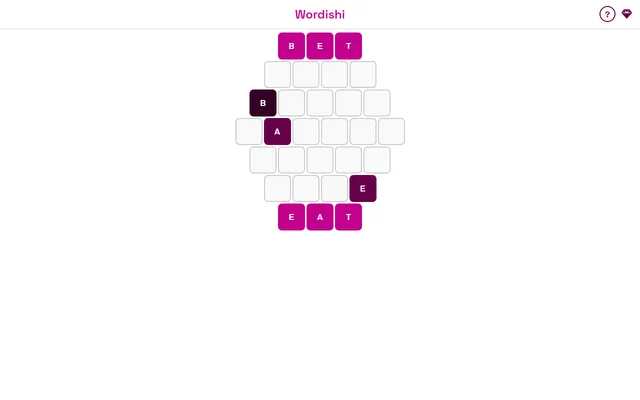
Wordishi
Each row adds or drops one letter, so planning the order matters as in Noodle
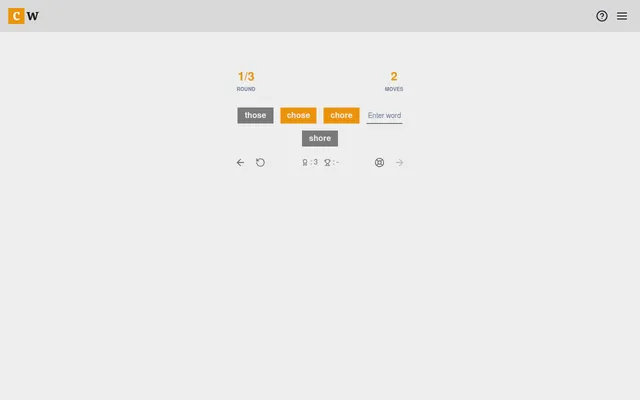
CraftWord
Turn a start word into a goal word in as few steps as you can
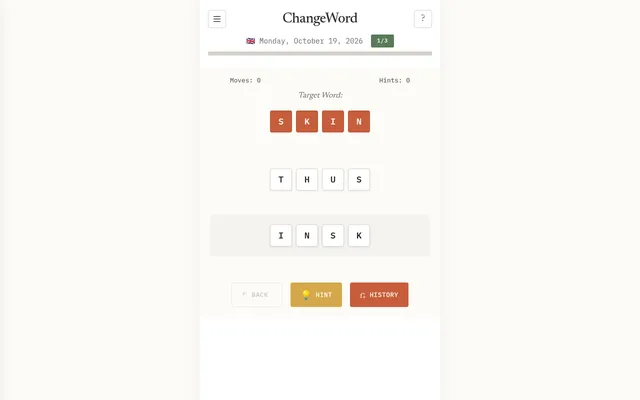
ChangeWord
Change one word into another a letter at a time, in three daily stages
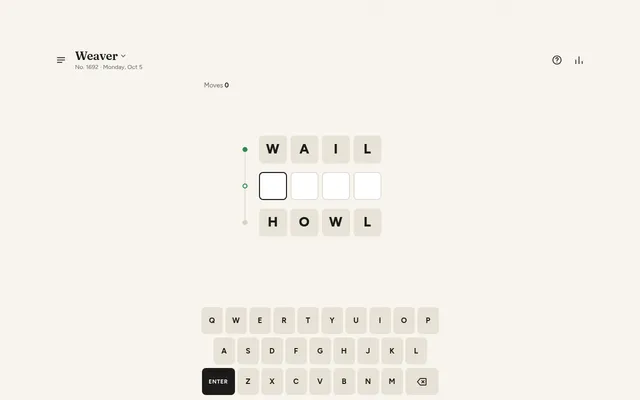
Weaver
The classic daily word ladder: change one letter at a time
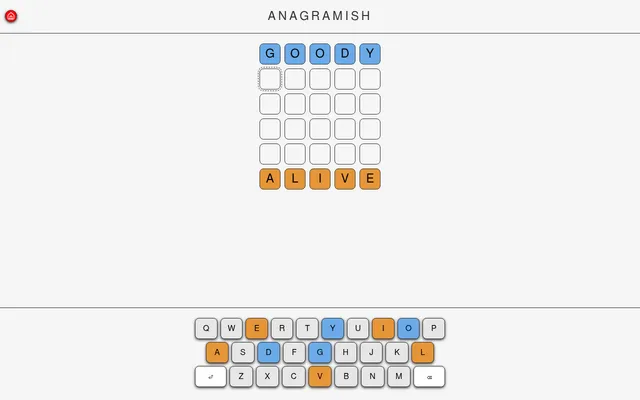
Anagramish
Climb from start word to end word by adding a letter and reordering at each step
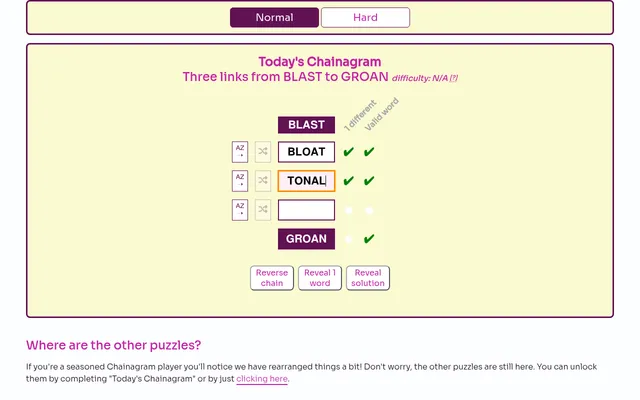
Chainagram
Link words through a chain of anagrams and single-letter changes