Daily Thermometers
Rate itFill thermometers from the bulb up, without gaps, until every row and column count is met.
on puzzle-thermometers.com
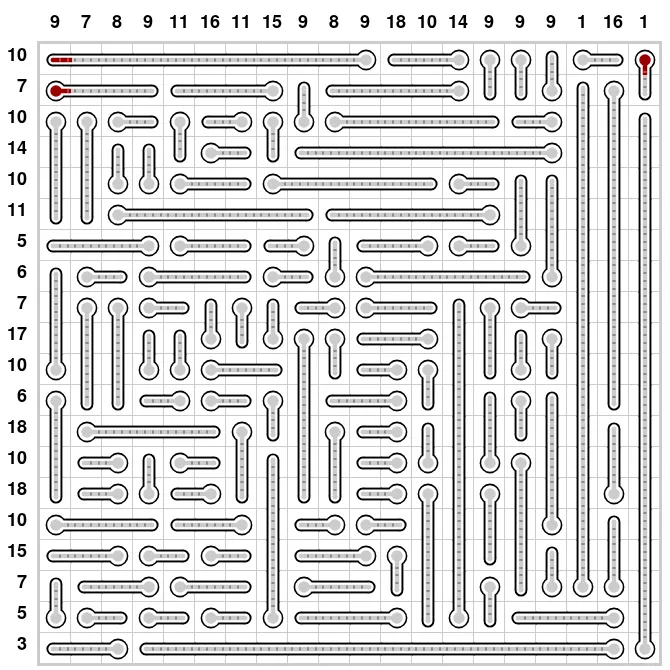
The Special Daily Thermometers on puzzle-thermometers.com is one large grid of thermometers a day, the same for everyone. You fill each thermometer with mercury starting at its bulb and with no gaps, so that the number of filled cells in every row and column matches the clues outside the grid.
About Daily Thermometers
A Thermometers grid is packed with thermometer shapes of different lengths, each with a round bulb at one end. You fill some of them with mercury. Filling always starts at the bulb and runs toward the other end without skipping a cell, though a thermometer can be left partly or completely empty. The numbers along the top and side say how many filled cells each column and row must contain.
Puzzle-thermometers.com offers everyday grids from 4x4 to 15x15 in two versions, standard and curved, with daily, weekly and monthly specials for each. This page is the standard Special Daily Thermometers: one dated grid for all players, 20 by 20 on 21 October 2026. There is also a Special Daily Curved Thermometers on the same site if you want a second daily. The site shows ads, which patrons can remove along with gaining access to the last 30 daily puzzles.
The one-way filling rule makes Thermometers easier to pick up than it looks, and the counts give it the same row-against-column back and forth as a nonogram. It suits players who like steady progress and few dead ends.
The site and its rules can be switched to more than a dozen languages, including German, French, Spanish, Japanese and Chinese, and its maker's PuzzleGym app for iPhone and Android carries the same puzzle family.
How to play Daily Thermometers
- Open puzzle-thermometers.com and choose Special Daily Thermometers.
- Find the bulb end of each thermometer: mercury always starts there.
- Fill cells from the bulb outward with no gaps; a thermometer may be empty, partly filled or full.
- Match the clues: each row and column must contain exactly as many filled cells as the number beside it.
- When every count is met, press Done (or Enter) to check the grid.
Screenshots

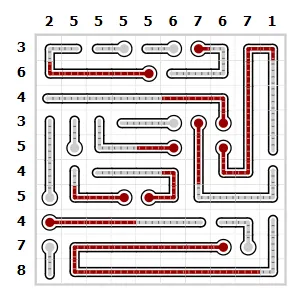
Tips
- If a cell near the top of a thermometer must be filled, every cell between it and the bulb is filled too.
- If a cell must stay empty, every cell beyond it toward the far end is empty as well.
- Lines with a clue of 0 or a clue equal to their length are settled at once and give you starting points across the grid.
- Compare a row's clue with the thermometers that cross it: a long thermometer running along the row can only be filled so far before it overshoots.
Questions
Is Curved Thermometers part of this daily?
No. The site runs Curved Thermometers as a separate variant with its own Special Daily. This page covers the standard Special Daily Thermometers.
When does the daily Thermometers puzzle change?
At midnight UTC. The daily is dated by the site's clock, which runs on UTC.
Is there an app?
The site links to PuzzleGym for iPhone and Android, which includes Thermometers with daily, weekly and monthly specials.
Can I play past daily puzzles?
The page's date list goes back 30 days. Patrons of the site can open those earlier dailies; the free daily is today's grid.
Ratings and reviews
Games like Daily Thermometers
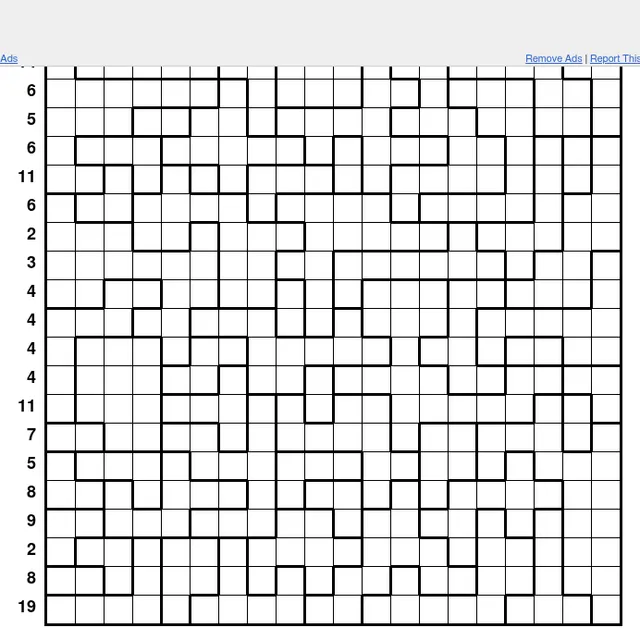
Daily Aquarium
A sister daily on the same engine where tanks fill with water to meet row and column counts, close kin to…
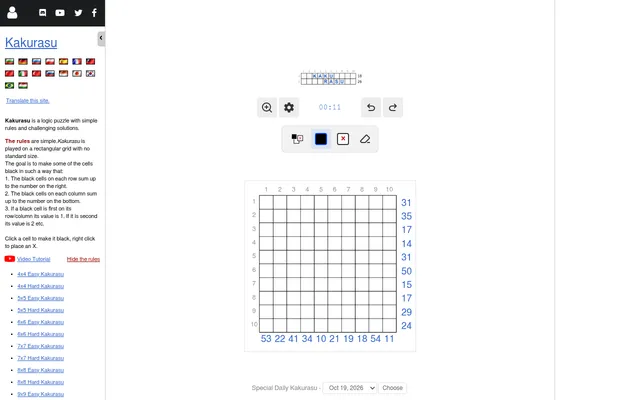
Daily Kakurasu
A sister daily where row and column clues decide which cells are shaded.
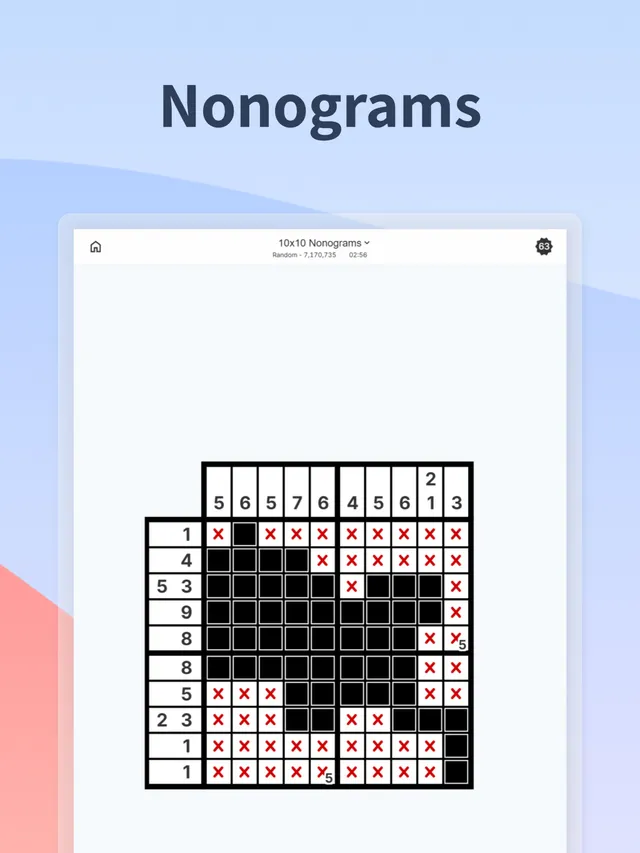
Nonograms
The same family's daily nonogram, another grid worked out from line clues.
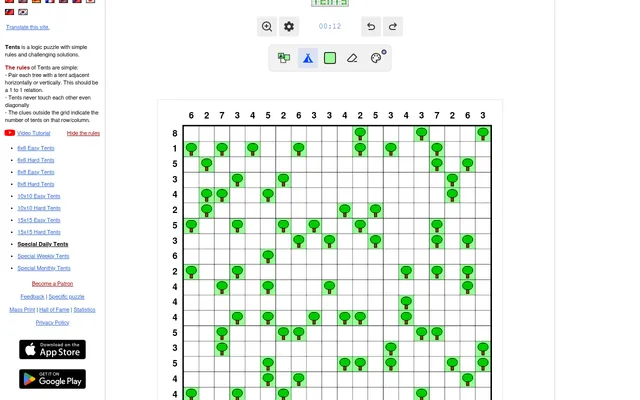
Daily Tents
A sister daily driven by row and column counts, placing tents beside trees.
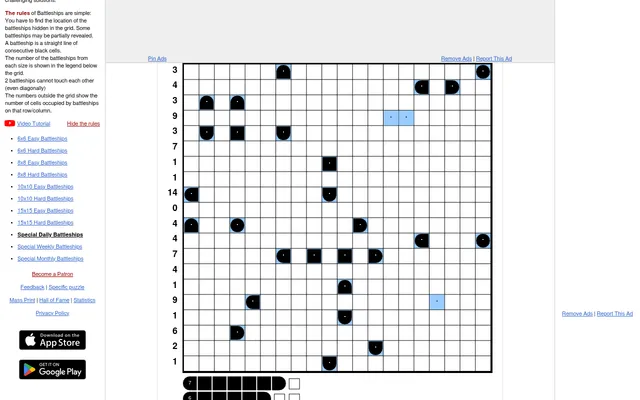
Daily Battleships
A sister daily where a fleet is placed from the counts on each row and column.
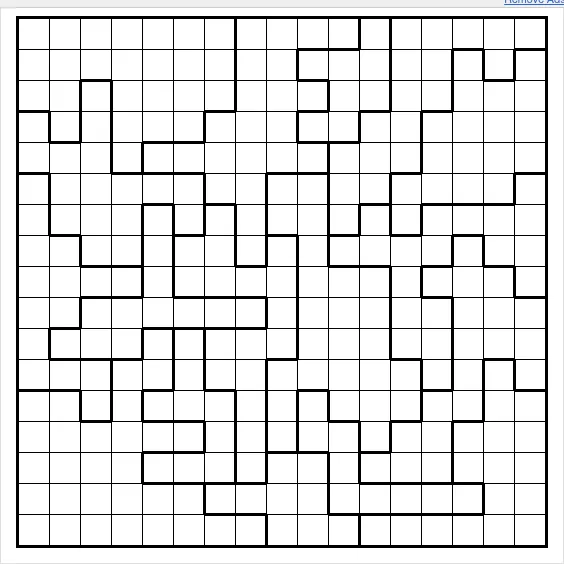
Daily Star Battle
A sister daily where every row, column and region needs a set number of stars.
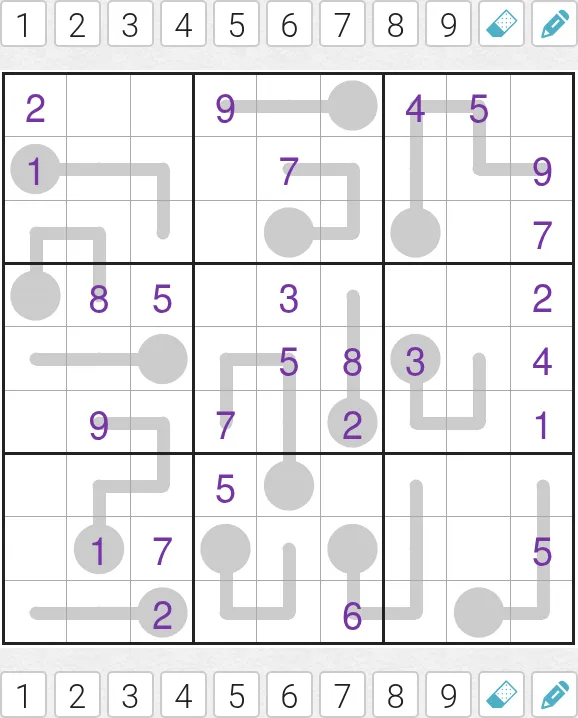
Thermo Sudoku (PuzzleMadness)
A daily sudoku with thermometer lines, for players who like the bulb-to-tip rule.
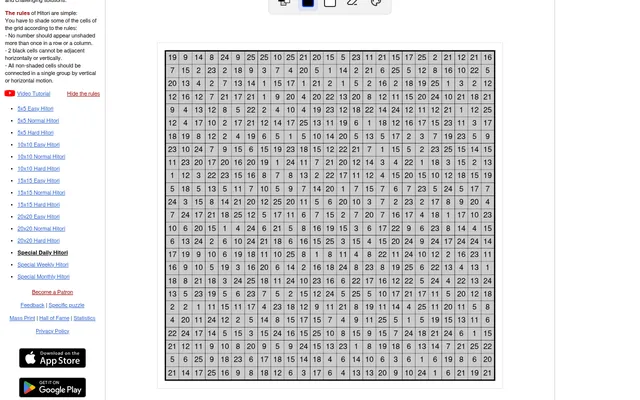
Daily Hitori
Shade out repeated numbers so no row or column shows a number twice, keeping the white cells joined.